2026 Best Photochromic Powder Trends and Applications for Buyers?
The growth of the Photochromic Powder market reflects significant advancements in materials science. According to a recent report by Grand View Research, the global photochromic powder market is expected to reach $2.1 billion by 2026, driven by increasing demand in eyewear and industrial applications. Photochromic powder enables lenses to transition smoothly between clear and tinted states when exposed to UV light, offering enhanced comfort and protection.
As consumer preferences shift towards multifunctional products, photochromic powder is becoming integral in various sectors beyond eyewear. The automotive industry, for example, is utilizing this technology for self-tinting windows, promoting energy efficiency and driving safety. However, while the potential applications are expansive, challenges remain. Manufacturers must address issues surrounding durability and response times to ensure customer satisfaction.
Innovation is essential in this competitive landscape. New developments in photochromic formulations can enhance performance characteristics, yet they require careful evaluation. Buyers must remain vigilant about quality and supplier reliability. Investing in high-quality photochromic powder is paramount for long-term success in any application. Exploring these trends offers valuable insights for those wishing to navigate the evolving market effectively.
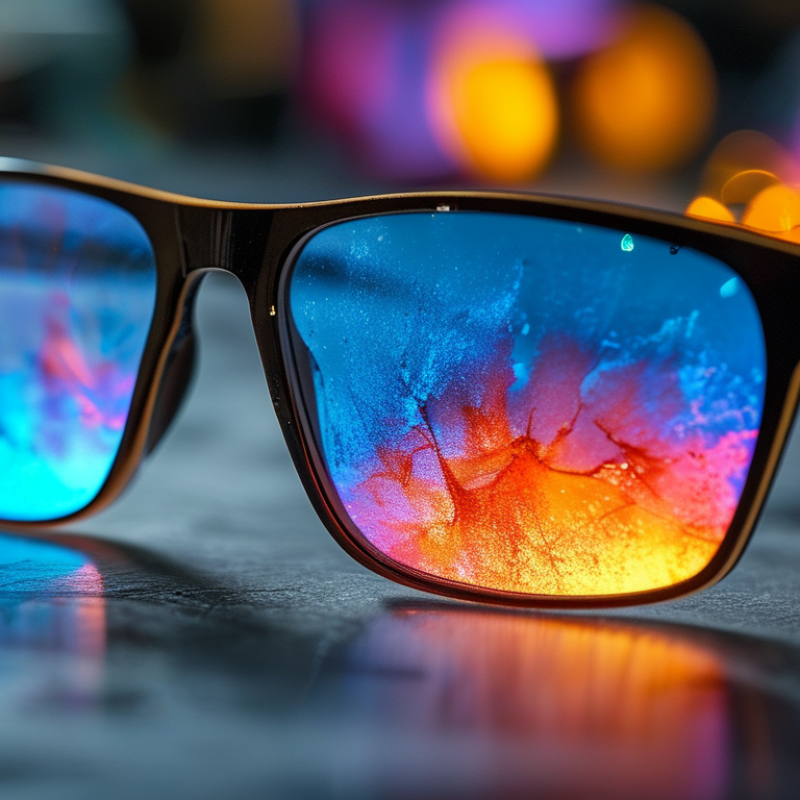
2026 Photochromic Powder Market Overview and Growth Projections
The photochromic powder market is poised for significant growth in 2026. This trend is driven by rising consumer demand for adaptive materials. Photochromic powders change color in response to UV light, making them appealing in various applications.
In the eyewear industry, there is a growing interest in photochromic coatings. These coatings offer comfort and protection. They reduce glare, enhancing visual clarity. Additionally, the automotive sector views photochromic technology as a solution for smart windows. Such innovations potentially improve energy efficiency.
However, challenges remain. The production process can be complex. Not all materials blend easily with current systems. Quality control is crucial to ensure consistency. Buyers should research suppliers carefully to avoid issues. Overall, the market holds promise but requires critical evaluation from stakeholders.
Key Innovations in Photochromic Powder Technology for 2026
Photochromic powders have been gaining traction in various applications, thanks to innovative technologies pushing boundaries in their performance. In 2026, we expect several key advancements. For instance, recent studies indicate that the efficacy of photochromic powders could improve by up to 30%. This enhancement results from refined synthesis methods and better chemical compositions. These innovations not only increase the speed at which the powder changes color but also enhance durability and stability under various environmental conditions.
Additionally, the integration of smart materials is another noteworthy trend. Many photochromic powders are being combined with nanoparticles to amplify their responsiveness to UV light. This synergistic approach could lead to applications beyond eyewear and coatings, extending into the realms of textiles and packaging. However, the scalability of these innovative processes remains a challenge. Manufacturers must weigh the fine line between performance and cost-effectiveness. As the market grows, balancing these factors will be critical for widespread adoption of new technologies.
Applications of Photochromic Powders in Eyewear and Automotive Industries
Photochromic powders are gaining traction in various sectors, particularly in eyewear and automotive industries. According to recent market analyses, the demand for photochromic materials in eyewear is projected to exceed $7 billion by 2026. Innovations have led to improved responsiveness and durability of these materials. They darken when exposed to UV light and return to a clear state indoors. This adaptability enhances user comfort and protects eyes from harmful rays.
In the automotive industry, photochromic coatings are being integrated into vehicle windows. The global automotive glass market is expected to reach $18 billion by 2025, with photochromic technology being a significant contributor. Implementing this technology can lead to energy savings by reducing cooling loads inside vehicles. However, challenges remain in achieving optimal performance under various lighting conditions. Users have reported inconsistency in color change and fading issues over time. These are areas for developers to address continually.
The potential for photochromic powders is substantial, yet not without its flaws. The perception of value depends on various factors, including consumer awareness and regulatory standards. As these industries evolve, stronger emphasis on sustainability and efficiency will shape the future of photochromic applications.
Sustainability Trends Impacting Photochromic Powder Production by 2026
Sustainability is reshaping the production of photochromic powders. By 2026, eco-friendly materials will dominate the market. Manufacturers are increasingly focused on reducing their carbon footprints. This trend aligns with the global push for greener practices in various industries.
Innovative techniques are emerging to produce these powders with fewer resources. Water-based formulations, for example, are gaining traction. These methods minimize waste and chemical usage. However, the industry still faces challenges. Sourcing sustainable raw materials is often more expensive. Additionally, achieving desirable performance while maintaining sustainability is complex.
Tips: Consider suppliers who prioritize environmentally friendly practices. Evaluate their production methods and materials. Stay informed about new technologies that promote sustainability in photochromic powder production.
As consumers demand more transparency, businesses must adapt. They will need to balance sustainability with cost-effectiveness. Embracing these changes will be crucial for success in the evolving market landscape. Keep an eye on trends to make informed purchasing decisions by 2026.
Consumer Preferences Driving Demand for Photochromic Powders in Various Sectors
Consumer preferences are rapidly shifting towards innovative materials, and photochromic powders are gaining widespread attention. These powders respond dynamically to changing light conditions, enhancing eyewear, automotive applications, and various consumer products. Users appreciate the convenience and adaptability these materials offer, particularly in outdoor and active lifestyles. They want UV protection that transitions effectively between bright sun and indoor environments.
The appeal of photochromic powders extends beyond mere function. Aesthetic aspects also matter. Consumers are looking for colors and finishes that suit their style. This desire for customization drives manufacturers to experiment with a range of hues and effects. However, not every product meets expectations. Some photochromic solutions may underperform under certain conditions or have limited durability. Buyers are becoming more discerning, wanting reliable products that truly serve their needs.
As the market evolves, trends indicate a growing interest in sustainability. Consumers are prioritizing eco-friendly materials alongside functionality. They seek products that reflect their values while still delivering performance. This change encourages manufacturers to innovate in ways that balance effectiveness and environmental consciousness. It’s a challenging yet rewarding path. Companies must address these complex consumer demands while striving for excellence in their offerings.

