2026 Top Pigment Color Trends for Global Buyers?
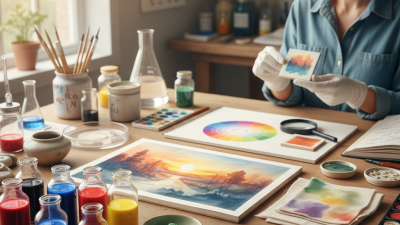
As the demand for innovative and captivating designs grows, 2026 is set to showcase exciting pigment color trends. Renowned color expert Dr. Maria Thompson, who has spent over two decades in the pigment industry, states, “Pigment color is not just an aesthetic choice; it shapes experiences and perceptions.” This insight underlines the critical role of pigment colors in product development and branding.
The evolving trends reflect cultural movements, sustainability, and emotional resonance. For example, earthy tones may dominate as brands focus on eco-friendliness and natural aesthetics. These trends showcase the power of pigment color to connect with consumers on a deeper level. Potential challenges may arise, however, as keeping up with rapid changes in preferences can be daunting for businesses.
Overall, the landscape of pigment colors in 2026 is poised for transformation. Success in this vibrant industry will require adaptation and a keen eye for emerging trends. Pursuing these dynamic shifts can spark creativity, but brands must remain vigilant. An authentic engagement with pigment colors will ultimately drive innovation and influence market success.
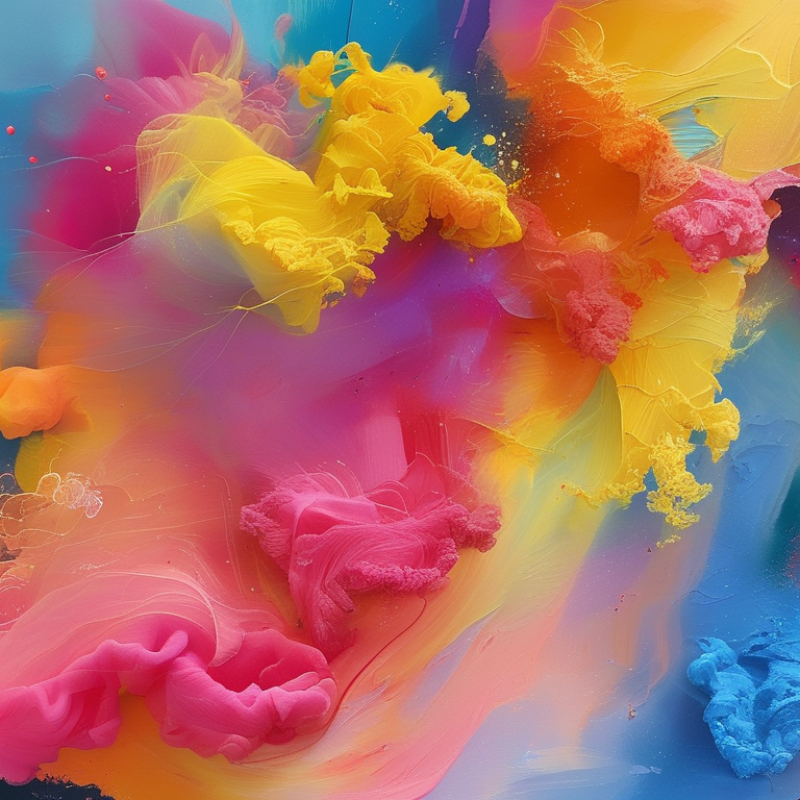
Global Overview of 2026 Pigment Color Trends
In 2026, global pigment color trends will reflect a blend of innovation and sustainability. A recent data report from the Color Marketing Group predicts a significant shift towards earthy tones and vibrant colors. These colors, inspired by nature and culture, will dominate products across various industries. Designers aim to evoke emotions through unique color palettes that resonate with consumers.
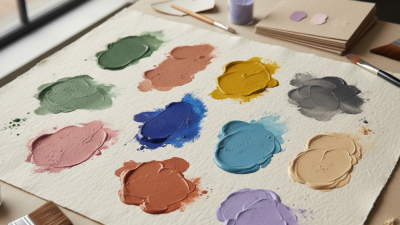
Market analysis indicates that shades of terracotta and deep greens will be highly sought after. These colors provide a sense of tranquility and connection to the environment. According to the International Color Authority, 65% of designers believe that sustainability-focused colors will influence consumer choices. This emphasizes the growing demand for eco-friendly products designed with natural pigments.
But challenges remain. Some manufacturers struggle to source sustainable materials without sacrificing vibrancy. A report from the Global Pigment Industry notes inconsistent quality in natural pigments can lead to unreliable results. Achieving a balance between vividness and eco-friendliness is crucial for success. As buyers navigate through these trends, they will need to focus on finding reliable suppliers who can meet these evolving standards.
Key Influences Shaping Pigment Color Choices in 2026
As we look ahead to 2026, several key influences will shape pigment color choices for global buyers. One noticeable trend is the growing emphasis on sustainability. Brands now prioritize eco-friendly pigments. This shift reflects a broader societal move towards environmental responsibility. Consumers are increasingly aware of their choices. They seek colors made from natural or recycled materials.
Another significant factor is the cultural impact of global events. For example, major international gatherings inspire new color palettes. These events often highlight local artistry and craftsmanship. This blending of cultures creates unique hues. It encourages buyers to explore different origins and stories behind colors. Additionally, digital technologies allow for precise color mixing. Virtual reality tools enable designers to visualize pigment combinations instantly.
Emotional resonance also plays a vital role. Colors are not just aesthetic; they evoke feelings and memories. As people navigate uncertainty, they seek comfort in familiar tones. However, this need may lead to a saturation of similar shades. It challenges brands to innovate while staying true to core values. The task is to find balance—inviting exploration without overwhelming the senses.
Top Color Palettes for Various Industries in 2026
In 2026, color trends across various industries will reflect a shift towards bold and expressive palettes. Designers are leaning towards vibrant hues that capture attention and evoke emotions. For instance, the fashion industry might embrace deep emerald greens and fiery oranges, aiming to inspire confidence and creativity. These colors can transform a simple outfit into a statement piece, attracting buyers seeking uniqueness.
In the realm of interior design, earthy tones will still find their space. Warm ochres and muted browns will blend seamlessly with richer colors, creating balanced environments. This combination appeals to those seeking comfort while expressing individuality. However, not every palette will resonate universally. Some colors may become overwhelming in certain contexts, leading to mixed reactions.
The technology sector is expected to explore metallic shades paired with softer pastels. This approach seeks innovation while retaining approachability. Yet, the balance is delicate. Striking the right chord with colors can make or break user engagement. Too bold, and it may seem gimmicky; too muted, and it could be overlooked. Navigating these visual choices will require careful consideration to align with consumer expectations.
Sustainable Pigment Innovations and Their Impact on Color Trends
Sustainable pigments are transforming the color landscape in 2026. As global buyers increasingly prioritize eco-friendly products, innovations in this field gain momentum. New materials derived from plants and minerals are changing the way colors are created. They offer vibrant hues without harming the environment. This shift is essential for brands that aim to appeal to conscious consumers.
Among the innovative developments, bio-based pigments stand out. These pigments are made from natural sources, providing a spectrum of colors that rival traditional options. However, challenges remain in achieving consistency in color fastness. Some brands struggle with quality control, which can affect their marketability. The persistence of synthetic pigments also raises questions about long-term sustainability in the industry.
Color trends in 2026 reflect these advancements. Earthy tones and rich greens are becoming popular as they symbolize a connection to nature. Yet, a reliance on sustainable materials doesn’t always guarantee success. Market demand fluctuates, and consumer preferences can be unpredictable. Companies will need to adapt quickly to these changes while remaining committed to sustainability.
Predictions for Consumer Preferences in Pigment Colors by 2026
As we approach 2026, consumers are expected to evolve their preferences in pigment colors significantly. The trend is shifting towards more vibrant and bold hues. Environmental consciousness is also influencing choices. Buyers increasingly prefer pigments that are sustainable and non-toxic. Bright greens, deep blues, and lively oranges may become more common.
Furthermore, subtle shades will maintain their importance. Soft pastels and earthy tones will appeal to many consumers. These colors often convey a sense of calm and connection to nature. However, challenges remain. The balance between trendiness and sustainability must be carefully managed. It can be difficult for manufacturers to keep pace with changing consumer desires while ensuring eco-friendly practices.
Observing regional variations is essential. Different markets may react uniquely to color trends. Cultural influences will play a significant role in shaping preferences. Buyers should prepare for surprises as new pigments are developed. The world of color is vibrant and complex, full of opportunities for exploration and innovation.