2026 Top Solvent Soluble Dyes Trends and Innovations?
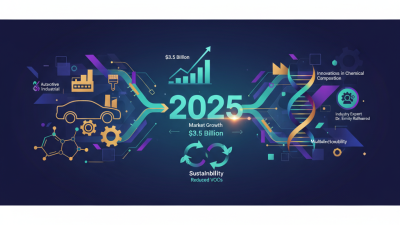
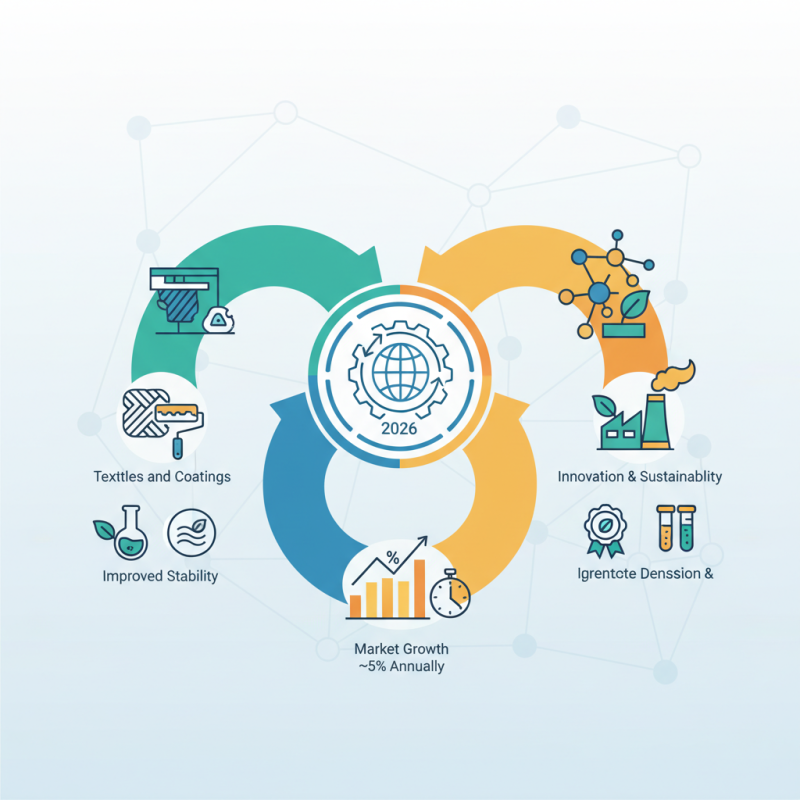
The global market for solvent soluble dyes is experiencing rapid innovation and expansion. According to a recent report by MarketsandMarkets, the solvent dye sector is projected to grow by approximately 5% annually through 2026. This growth is fueled by the rising demand from various industries, including textiles and coatings. Solvent soluble dyes offer vibrant colors and improved stability, making them essential for these applications.
In the textile industry, the need for high-quality dyes that withstand harsh conditions is crucial. Companies are experimenting with new formulations to enhance performance and reduce environmental impacts. However, challenges remain. The balance between innovation and sustainability is delicate. As manufacturers explore new trends, they must reflect on their environmental responsibilities. Emerging technologies are promising, yet the industry's future relies on addressing these critical issues.
Furthermore, the innovation landscape is shifting. High-performance solvent soluble dyes require advancements in both chemistry and application processes. Firms are investing in research to create more efficient production methods. Yet, the urgency for regulatory compliance and sustainability cannot be overstated. As the market evolves, stakeholders must engage in thoughtful discussions about the implications of their innovations on the environment and communities.
Key Characteristics of Solvent Soluble Dyes in 2026
In 2026, solvent soluble dyes are expected to showcase remarkable characteristics. Their vibrant colors and excellent solubility make them ideal for various industries. These dyes can easily integrate with different solvents, enhancing their versatility. Their stability under various environmental conditions remains a strong asset, allowing for extended shelf life and consistent performance.
One notable characteristic is their fastness properties. Solvent soluble dyes boast good resistance to light and heat, ensuring long-lasting results in applications like textiles and coatings. However, achieving uniformity in application may still pose challenges. Some users report variations in color intensity when mixed with different solvents. This unpredictability can lead to inconsistencies that require careful monitoring.
Moreover, sustainability remains a concern. The production of these dyes often involves chemical processes that may not be environmentally friendly. There is a growing need for innovation in this area. The balance between quality and eco-friendliness is crucial. As these trends evolve, a thoughtful approach will be necessary to address both performance and environmental impact.
Recent Innovations in Solvent Soluble Dyes Technology
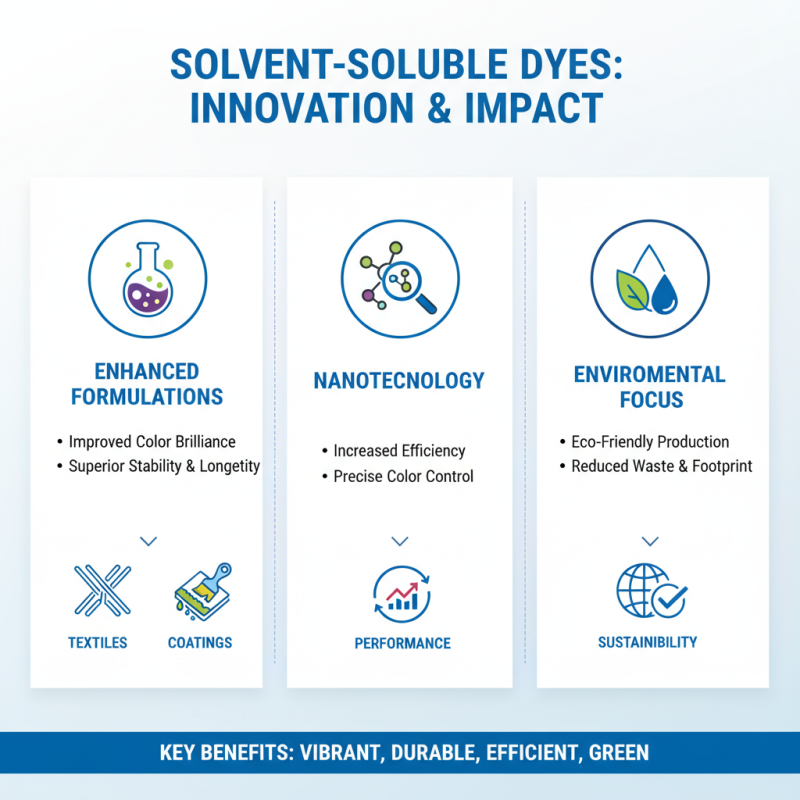
Recent innovations in solvent soluble dyes technology have opened up new possibilities in various industries. Enhanced formulations are being developed to improve color vibrancy and stability. This is crucial for industries like textiles and coatings, where long-lasting colors are essential. Advanced techniques, such as nanotechnology, are enabling dyes to be more efficient and environmentally friendly.
Tips: When choosing solvent soluble dyes, consider their compatibility with your application. Not all dyes perform the same way in every medium.
Additionally, researchers are exploring bio-based alternatives. These natural dyes promise superior safety profiles. However, challenges remain. The color fastness and light resistance of these options may not always match synthetic counterparts. Continuous experimentation is needed to understand their full potential.
Another trend involves digital printing technologies. They enable precise application of dyes, reducing waste and enhancing efficiency. However, ensuring the quality of prints in varying conditions still requires attention.
Tips: Regularly test your printed results under different light conditions. This can help gauge the performance of your chosen dye.
Emerging Trends in Environmental Sustainability of Dyes
As the dye industry evolves, environmental sustainability has become a key focus. Chemical processes often release harmful substances. This poses a risk to ecosystems and human health. Many manufacturers are seeking solutions that minimize this impact. The development of solvent-soluble dyes is a step in the right direction. These dyes can reduce water use significantly. However, challenges remain.
Many dyes still utilize toxic solvents. Finding perfectly safe alternatives is complex. Innovations like bio-based solvents show promise, but their performance needs scrutiny. Some eco-friendly dyes lack vibrancy and intensity. There’s a trade-off between sustainability and aesthetic demands. This creates a dilemma for designers and manufacturers alike.
Consumer awareness is rising. People want products that are both vibrant and responsible. Brands are feeling the pressure to adapt. Collaboration among scientists, industry, and consumers is essential. Together, they can drive meaningful change. However, it requires a commitment to ongoing research and development. Uncertainties linger around the long-term effects of new dye technologies. This journey toward sustainability is imperfect but necessary.
The chart above illustrates the impact levels of emerging trends in environmental sustainability of solvent soluble dyes as we approach 2026. The categories include sustainability initiatives, innovation in dye technology, market growth, regulatory changes, and consumer preferences, reflecting the industry's shift towards more eco-friendly practices and advancements.
Applications of Solvent Soluble Dyes Across Various Industries
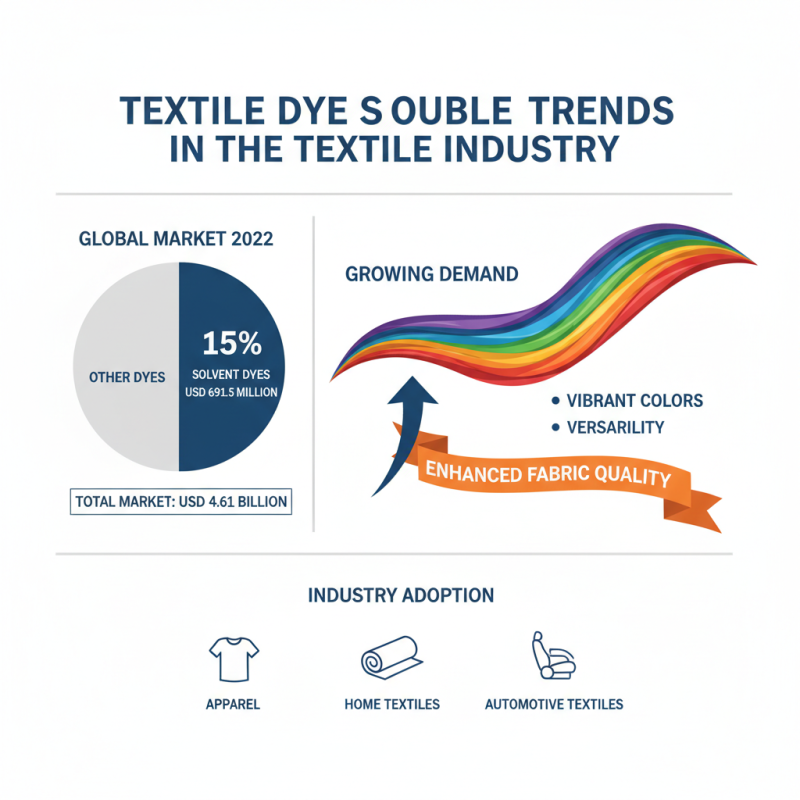
Solvent soluble dyes are increasingly embraced across multiple industries due to their vibrant colors and versatility. In the textile industry, these dyes enhance fabric quality and visual appeal. Recent reports suggest that the global textile dye market reached USD 4.61 billion in 2022, with solvent dyes capturing 15% of this share. This trend indicates a growing demand for colorful textiles, as brands seek innovative solutions to stand out.
In the coatings and ink sectors, solvent soluble dyes play a crucial role in product performance. They are used in paint formulations to achieve specific hues, improve stability, and ensure durability. According to industry experts, the global coatings market size is projected to surpass USD 200 billion by 2026. However, the environmental impact of these dyes must be considered. Many dyes can release volatile organic compounds (VOCs) during their application, raising concerns over air quality and health.
The cosmetic industry, too, increasingly utilizes solvent soluble dyes. These dyes contribute not just color but also texture and finish in products like lipsticks and eyeliners. Interestingly, data shows that organic and naturally derived dyes are on the rise. This shift includes reflecting brand sustainability commitments. Critics point out that while vibrant and appealing, the over-reliance on synthetic dyes may reduce long-term consumer trust if not paired with sustainability efforts.
Market Analysis and Future Predictions for Solvent Dyes
The market for solvent dyes is expected to witness significant growth in the coming years. According to a recent report, the global solvent dyes market could reach approximately $2.5 billion by 2026. This growth is driven by increasing applications in textiles, plastics, and the automotive industry. Innovations in dye formulation and new color technologies are reshaping market trends.
One interesting observation is the rise in demand for eco-friendly solvent dyes. Consumers are more aware of environmental impacts. This awareness is prompting manufacturers to innovate. Biodegradable and less toxic alternatives are becoming more common. However, not all innovations are meeting sustainability goals yet. Some processes need refinement to minimize waste better.
Tips: Consider sourcing dyes from suppliers focusing on sustainability. Evaluate the entire supply chain to ensure eco-friendly practices. Pay attention to regulatory updates that could influence dye availability. The industry is evolving, but challenges remain in achieving both performance and sustainability. Balancing innovation with environmental responsibility is crucial for future success.