2026 Top Trends in Chemical Dye What Buyers Need to Know
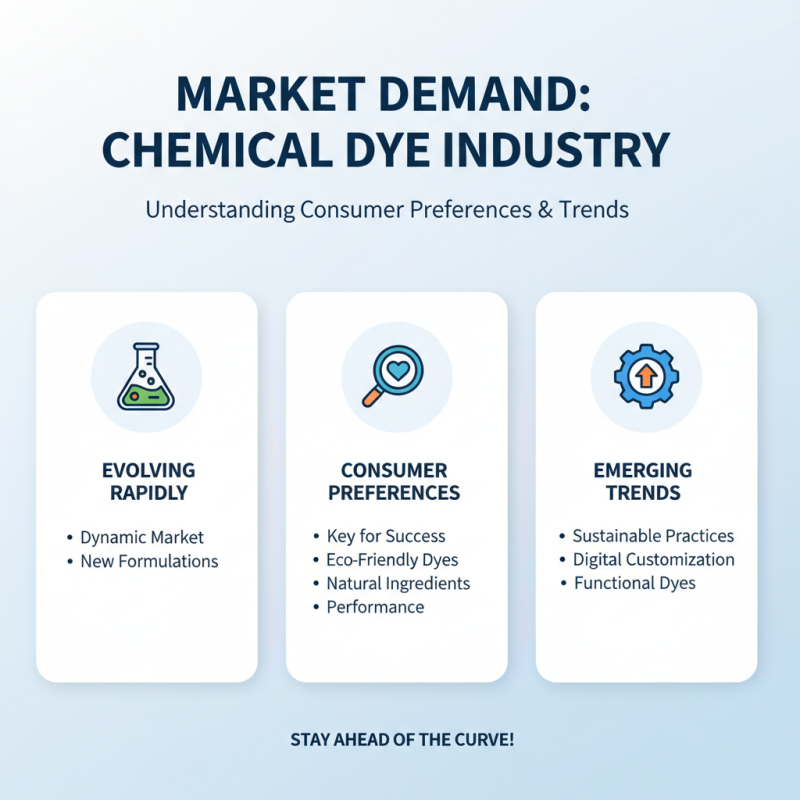
In 2026, the landscape of chemical dye is evolving rapidly. New trends and innovations are reshaping the industry, catering to the changing demands of consumers. Buyers need to stay informed about these developments to make wise purchasing decisions.
As sustainability becomes a priority, eco-friendly chemical dyes are gaining traction. These products often use renewable resources and have a lower environmental impact. Buyers should consider the sourcing and production processes behind their choices. This awareness can lead to better practices.
Technological advancements also play a key role in the future of chemical dye. Digital printing and smart colorants are emerging, offering efficiency and customization. However, with new options come challenges. Buyers must assess quality, application, and compatibility. Staying updated is essential for making informed choices in this dynamic market.
Emerging Innovations in Chemical Dye Technologies for 2026
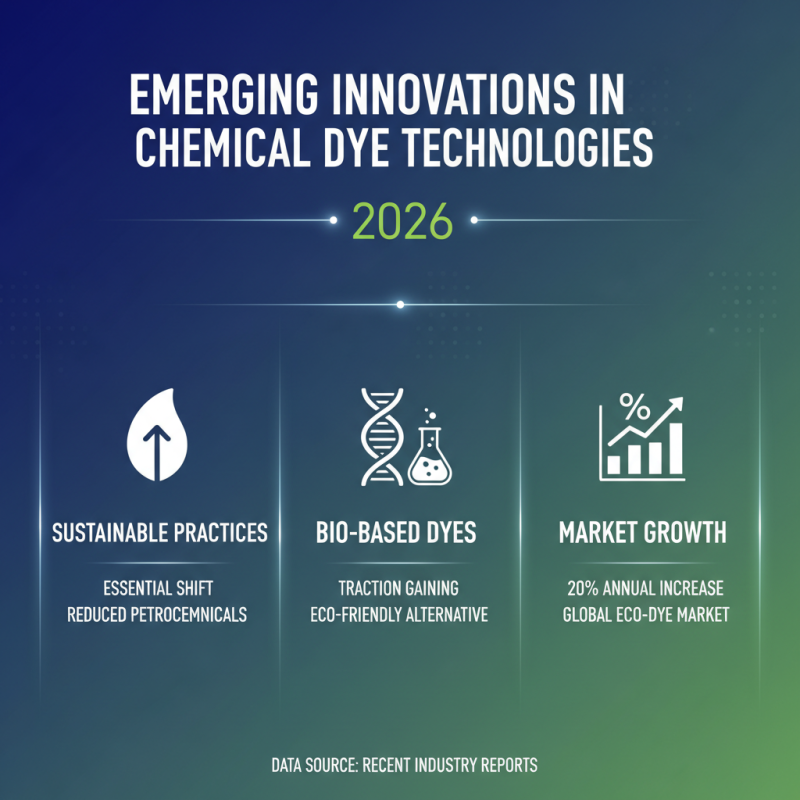
In 2026, the chemical dye industry is poised for significant innovations. Advanced technologies are transforming traditional processes. Sustainable practices are becoming essential. For example, bio-based dyes are gaining traction, allowing manufacturers to reduce reliance on petrochemicals. According to recent reports, the global market for eco-friendly dyes is expected to grow by 20% annually.
One notable trend is the rise of digital dyeing techniques. These processes offer high precision and reduce waste. Digital printing can minimize water consumption by up to 90%. Reports indicate that nearly 30% of dyeing facilities are expected to adopt these technologies by 2026. Additionally, consumers are demanding more transparency. They want to know the origins and environmental impact of dyes used in their products.
Investments in research and development are crucial. However, challenges remain. The need for skilled labor in these new technologies is evident. Many companies struggle with training their workforce. This gap in expertise could slow down innovation. As the industry evolves, staying informed about these trends is vital for buyers looking to remain competitive.
Sustainable Practices and Eco-Friendly Dyes in the Chemical Industry
As the chemical dye industry evolves, sustainable practices gain importance. Eco-friendly dyes offer innovative solutions. These dyes minimize environmental impact while maintaining quality. They use natural ingredients or renewable resources. This shift reflects a growing consumer demand for responsible choices.
Buyers need to understand the benefits of eco-friendly dyes. They are often safer for both workers and end-users. However, not all green claims are genuine. The industry faces challenges, including the need for transparency in sourcing. Buyers must vet suppliers carefully. Look for third-party certifications that verify eco-friendliness.
Sustainable materials can sometimes be more costly. This can deter companies from switching. Yet, the long-term benefits may outweigh initial investments. Eco-friendly dyes can lead to a positive brand image. Increasingly, consumers consider sustainability in their purchasing decisions. Choosing responsibly sourced products could enhance market competitiveness.
Regulatory Changes Impacting Chemical Dye Production and Use
Regulatory changes are reshaping the landscape of chemical dye production. New environmental guidelines are pushing manufacturers to adopt greener practices. Compliance is no longer optional; it is an essential factor driving production methods. Companies face stricter standards around waste disposal and chemical usage. This shift emphasizes the importance of eco-friendly materials in dye manufacturing.
Furthermore, safety regulations are evolving. Increased scrutiny on chemical components demands transparency in ingredient sourcing. Many dyes contain substances that can be harmful. Buyers need to be aware of these risks and seek safer alternatives. Keeping informed about regulatory developments is crucial for making responsible purchasing decisions.
While compliance can seem burdensome, it often leads to innovation. Companies that invest in cleaner technologies may discover new markets. However, the transition can be challenging. Some manufacturers may struggle to keep pace with changing regulations. This creates an opportunity for buyers to engage with suppliers who prioritize safety and sustainability. By choosing reputable sources, buyers can influence the industry's direction while ensuring product integrity.
Future Predictions: The Role of Digitalization in Dye Manufacturing
Digitalization is reshaping the dye manufacturing landscape. Smart technologies streamline production processes, allowing for greater efficiency. Automation in dye mixing and application reduces human error. Predictive analytics helps manufacturers forecast trends and manage inventory better.
However, digital advancements introduce challenges. Not all manufacturers can invest in new technology. Some may lack technical expertise to implement digital solutions effectively. This gap may create disparities among industry players. Companies need to focus on training and development to build proficient teams.
Sustainability remains a key concern. Digital tools can help monitor environmental impact. Data analytics allows for optimized resource use, minimizing waste. Yet, the integration of green practices with digitalization is still a work in progress. Companies must regularly assess their strategies to truly benefit from these innovations.
2026 Top Trends in Chemical Dye: The Role of Digitalization in Dye Manufacturing
This chart illustrates the predicted importance scores for key trends in the chemical dye industry by 2026, highlighting the significant role of digitalization, sustainability, and customization in manufacturing processes.