Discover the Benefits of Ammonium Aluminum Sulfate for Your Needs?
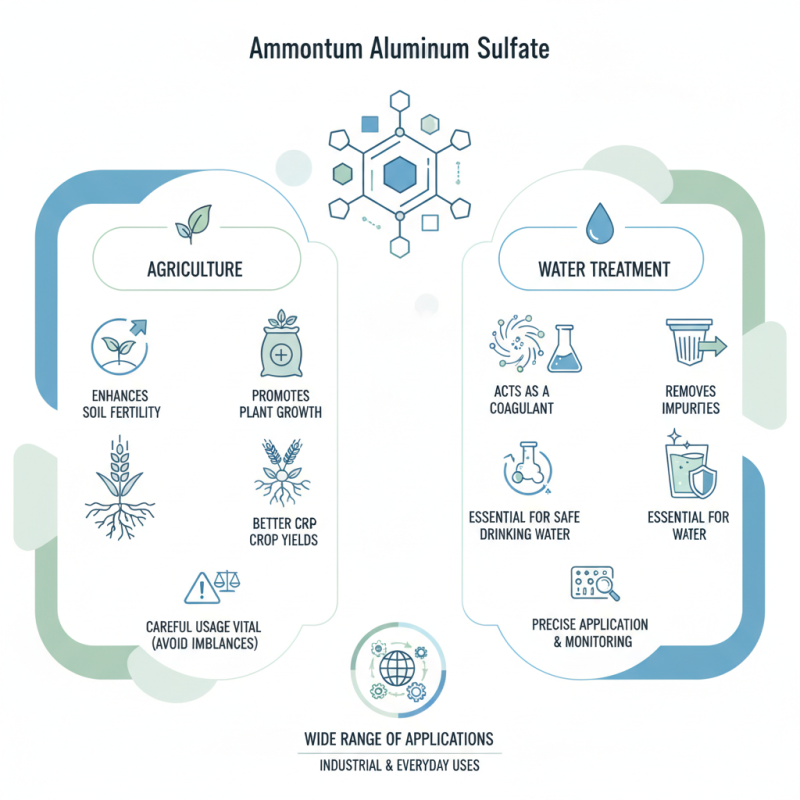
Ammonium Aluminum Sulfate has gained attention for its wide range of applications. This compound is not only effective in various industries but also beneficial for everyday uses. From agriculture to water treatment, Ammonium Aluminum Sulfate plays a crucial role. Its properties make it a preferred choice for many professionals.
In agriculture, it enhances soil fertility and promotes plant growth. Using Ammonium Aluminum Sulfate can lead to better crop yields. It helps ensure that nutrients are readily available to plants. However, if misapplied, it can lead to imbalances in soil chemistry. Therefore, careful dosage and understanding are vital.
In water treatment, Ammonium Aluminum Sulfate acts as a coagulant. It aids in removing impurities and clarifying water. This process is essential for safe drinking water. Yet, the quality of results depends on precise application and monitoring. Knowing how to use it effectively is key to maximizing benefits while minimizing potential drawbacks.
Understanding Ammonium Aluminum Sulfate: Definition and Composition
Ammonium aluminum sulfate, often referred to as alum, is a versatile compound. It has various applications across multiple industries. This chemical is formed by combining ammonium sulfate and aluminum sulfate. It appears as a white crystalline solid, soluble in water. Its properties make it useful in water purification, food processing, and gardening.
When considering its benefits, understanding its composition is crucial. The chemical structure consists of ammonium ions, aluminum ions, and sulfate ions. This combination contributes to its ability to act as a coagulant in water treatment. It helps to remove impurities effectively. In food processing, it can enhance texture and stabilize certain products.
**Tip:** Always handle chemicals with care. Use appropriate safety gear, such as gloves and goggles, when working with alum in any setting.
In gardening, ammonium aluminum sulfate can adjust soil pH and provide essential nutrients. It can promote healthier plant growth. However, it’s important to apply it correctly and avoid overuse. This can lead to soil imbalances.
**Tip:** Test your soil before application. A soil test will guide the right amount to use, ensuring optimal plant health.
Benefits of Ammonium Aluminum Sulfate
Key Properties of Ammonium Aluminum Sulfate for Industrial Applications
Ammonium aluminum sulfate, a key chemical compound, serves various industrial purposes. Its unique properties make it an essential ingredient in multiple applications. This compound is commonly used in water treatment, textile manufacturing, and food processing. Its effectiveness in coagulation helps purify water by removing impurities.
In the textile industry, ammonium aluminum sulfate acts as a mordant. It helps fix dyes onto fabrics, ensuring vibrant colors. This application highlights its role in enhancing product quality. Moreover, in food processing, it acts as a leavening agent, improving the texture and stability of baked goods.
**Tips:** When using ammonium aluminum sulfate, always follow safety guidelines. Proper handling prevents unnecessary exposure. Additionally, understanding the dosage is crucial. Too much can alter product quality negatively. Consider testing in small batches to evaluate effects before scaling up production.
Common Uses of Ammonium Aluminum Sulfate in Agriculture and Water Treatment
Ammonium aluminum sulfate, often referred to as alum, plays a crucial role in agriculture and water treatment. In agriculture, it serves as a soil amendment. It helps adjust soil pH. This adjustment promotes nutrient availability. Farmers often use it to enhance crop yield. It also reduces soil erosion by improving structure.
In water treatment, ammonium aluminum sulfate acts as a coagulant. It effectively removes suspended particles, ensuring clean water. The process involves the aggregation of tiny particles into larger ones. This makes them easier to filter out. However, relying too much on chemical coagulants can lead to potential imbalances in water chemistry.
While ammonium aluminum sulfate has many benefits, careful management is essential. Overapplication can lead to nutrient runoff. This can harm local ecosystems. It's vital to apply it based on specific soil and water conditions. Proper guidance from experts can improve its effectiveness in both agriculture and water treatment.
Health and Safety Considerations When Handling Ammonium Aluminum Sulfate
Handling ammonium aluminum sulfate requires careful attention to health and safety guidelines. This chemical compound is commonly used in various industries, but improper handling can pose risks. Personal protective equipment, such as gloves and goggles, is essential when working with this substance. Inhalation of dust may lead to respiratory irritation. Therefore, a well-ventilated area is necessary.
Proper storage is crucial as well. Store it in a cool, dry place, away from incompatible materials. This minimizes the risk of accidental reactions. Regular training on safe handling practices can enhance awareness among users. It’s important to recognize potential hazards and address them proactively.
Despite its utility, some might overlook safety precautions. For instance, careless handling or inadequate ventilation can lead to eye or skin irritation. Training sessions should include real-life examples to highlight the importance of safety. Engaging with experienced professionals can provide valuable insights and practical tips. A continuous commitment to safety not only protects individuals but also promotes a culture of awareness in the workplace.
Environmental Impact and Sustainability of Ammonium Aluminum Sulfate Usage
Ammonium aluminum sulfate, commonly known as alum, has various applications. Its use raises important questions about environmental impacts and sustainability. While it provides benefits in water treatment and agriculture, we must consider its sources and end effects.
The production of alum can involve mining, which may disrupt local ecosystems. Sustainable mining practices are essential to minimize these impacts. Additionally, recycling alum can reduce waste and environmental stress. Consider sourcing alum from suppliers committed to sustainable practices. Reducing resource extraction is a vital step to protect our planet.
Tips: Always check for certifications when purchasing chemicals. Engage with companies that prioritize environmental stewardship.
When using ammonium aluminum sulfate, be aware of its potential effects on soil health. Overuse can alter soil pH levels, negatively impacting plant growth. Monitoring soil conditions can help mitigate these risks. Informed usage aligns with sustainable practices while maximizing benefits.
Tips: Regularly test your soil. Adjust alum applications based on soil health data to ensure optimal conditions.

