Top 10 Benefits of Using Stainless Steel Coil Tubes in Industry?
Stainless Steel Coil Tubes have become essential in various industries due to their unique properties. According to a recent report by MarketsandMarkets, the global stainless steel market is projected to reach $139 billion by 2026. This growth is driven by the versatility and durability of materials like stainless steel. Industries such as automotive, construction, and chemical processing utilize Stainless Steel Coil Tubes for their superior resistance to corrosion and high temperatures.
The use of Stainless Steel Coil Tubes presents multiple advantages that enhance operational efficiency. These tubes are lightweight yet robust, facilitating easier installation and maintenance. A study by Research and Markets highlights that businesses adopting stainless steel solutions witness efficiency improvements of up to 30%. This data underscores the significant impact stainless steel can have on productivity and cost savings.
While the benefits are clear, there are challenges in implementation. Not every project can exploit the full potential of Stainless Steel Coil Tubes. Factors such as initial investment costs and specific application requirements need careful evaluation. Businesses must also consider their sourcing strategies to ensure they use high-quality materials. Addressing these complexities can lead to more effective utilization of stainless steel technologies in various industries.
Understanding Stainless Steel Coil Tubes: An Overview of Their Composition
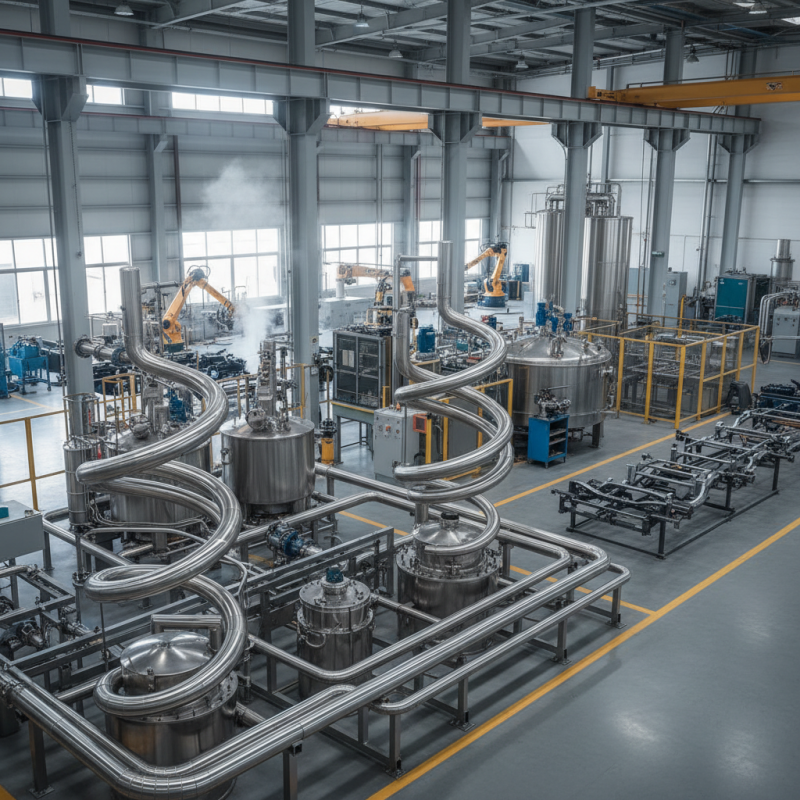
Stainless steel coil tubes are essential in various industries due to their unique composition. They consist primarily of iron, with chromium and nickel added for corrosion resistance. This composition gives the tubes a durable and resilient quality, essential for applications in harsh environments. The use of stainless steel ensures longevity and reliability, making it a preferred choice in sectors like construction and manufacturing.
Understanding the properties of stainless steel coil tubes is crucial. Their resistance to heat and chemicals makes them suitable for a wide range of processes. These tubes can withstand high pressures, enhancing their functionality in fluid transport. Yet, it's important to recognize that improper handling or installation can lead to failure. Regular inspections are sometimes overlooked, but they are vital for maintaining the integrity of systems relying on these tubes. As industries continue to seek durable materials, stainless steel coil tubes will likely play a critical role in various applications.
Top 10 Benefits of Using Stainless Steel Coil Tubes in Industry
Key Advantages of Stainless Steel Coil Tubes in Industrial Applications
Stainless steel coil tubes offer distinct benefits in various industrial applications, making them increasingly popular. According to a report by Grand View Research, the global market for stainless steel tubes is expected to reach $16.1 billion by 2025. This growth reflects the material's versatility and durability. One significant advantage is its superior corrosion resistance, which extends the lifespan of equipment in harsh environments. For instance, in the chemical processing industry, corrosion can lead to costly downtime and repairs.
Another key benefit is thermal conductivity. Stainless steel coil tubes efficiently transfer heat, making them ideal for heat exchangers. The U.S. Department of Energy estimates that heat exchangers contribute to about 15% of industrial energy use. Therefore, using stainless steel coil tubes can enhance energy efficiency. However, not all stainless steel grades are created equal. Some may require a more nuanced understanding of their applications to maximize performance. Determining the right type ensures both reliability and safety.
Lastly, the lightweight nature of stainless steel coil tubes contributes to easier handling and installation. This can significantly reduce labor and transportation costs. However, improper installation can negate these advantages. Ensuring compliance with industry standards and best practices is crucial for operational success. Awareness of these factors leads to better utilization of the material in diverse industrial spaces.
Corrosion Resistance: A Significant Benefit of Using Stainless Steel Tubes
Corrosion resistance stands out as a key advantage of stainless steel coil tubes in various industries. Stainless steel, particularly types 304 and 316, provides a robust defense against rust and corrosion. According to a study by the National Association of Corrosion Engineers, corrosion costs the U.S. economy approximately $276 billion annually. Using stainless steel tubes can significantly reduce these costs. They thrive in hostile environments, from chemical processing plants to marine applications.
In rigorous settings, where moisture and chemicals prevail, stainless steel’s passive oxide layer protects the underlying metal. This layer regenerates when damaged, ensuring continued protection. A report by International Stainless Steel Forum highlights that stainless steel can withstand harsh conditions up to ten times longer than traditional materials. Industries benefit immensely from reduced maintenance periods and longer equipment lifespans.
Yet, some industries still lag in adopting stainless steel solutions. Resistance to change can stem from cost perceptions. While initial investments may be higher, the long-term savings through durability and reduced repair costs are undeniable. Companies should actively assess their operations to determine potential gains from switching to stainless steel. Embracing this material is not just about corrosion resistance; it’s about future-proofing their investments.
Enhanced Durability and Longevity of Stainless Steel Coil Tubes
Stainless steel coil tubes are increasingly favored in various industries due to their remarkable durability and longevity. One notable advantage is their resistance to corrosion, which allows them to maintain integrity in harsh environments. Unlike other materials, stainless steel does not rust, making it ideal for applications in food processing, pharmaceuticals, and chemical industries. These tubes can withstand high temperatures, ensuring reliable performance over time.
However, not all products are created equally. Some stainless steel coil tubes may vary in grade and finish, impacting their longevity. Careful selection based on the specific application is crucial. When choosing tubes, consider the environment and potential exposure to corrosive elements. A mismatch could lead to premature failure. Always consult with industry experts for guidance.
Tips: Regular inspections can identify wear and tear before it becomes problematic. Performing maintenance ensures optimal functionality and extends the life of your tubes. Additionally, knowing how these tubes handle stress and pressure is vital for safety. Understanding their limitations allows for better decision-making in design and application. Make informed choices to reap the benefits of stainless steel coil tubes.
Cost-effectiveness of Stainless Steel Coil Tubes in Long-term Usage
Stainless steel coil tubes are gaining popularity in various industries. Their cost-effectiveness becomes more apparent with long-term use. Unlike other materials, stainless steel offers durability and resistance to corrosion. This means fewer replacements are necessary, which saves money over time.
Using stainless steel coil tubes can lower maintenance costs. They require minimal servicing and have a longer lifespan. Companies find that investing in these tubes results in significant savings on repairs and replacements. The upfront cost may seem high, but the long-term benefits outweigh initial expenses.
However, not all applications are suitable for stainless steel. Some industries might find alternatives that better fit their specific needs. It's essential to assess the entire system, not just the tubing. Understanding the unique requirements can lead to more informed decisions. The choice of materials should balance cost, performance, and durability.

