10 Best Pigment Dye Methods for Vibrant Color in Fabrics and Crafts?
Pigment dye techniques are gaining popularity among fabric enthusiasts and crafters. These methods create vibrant, lasting colors that elevate textiles and crafts. Understanding how to use pigment dye effectively can enhance your projects and bring your creative visions to life.
Regardless of whether you are a beginner or an experienced creator, exploring pigment dye offers valuable insights. With various techniques available, mastering them can be a rewarding journey. Some methods are easier than others, and not every approach will yield perfect results every time. Learning from mistakes is part of the process. Each step offers a chance to reflect and improve.
Experimentation with pigment dye can lead to impressive outcomes. However, it is essential to recognize the challenges that may arise. Not every fabric accepts pigment dye in the same way. Factors such as fabric type and dye application technique greatly influence the final appearance. A willingness to adapt and refine your method is crucial. Embrace the learning experience and let the beauty of pigment dye inspire your creativity.
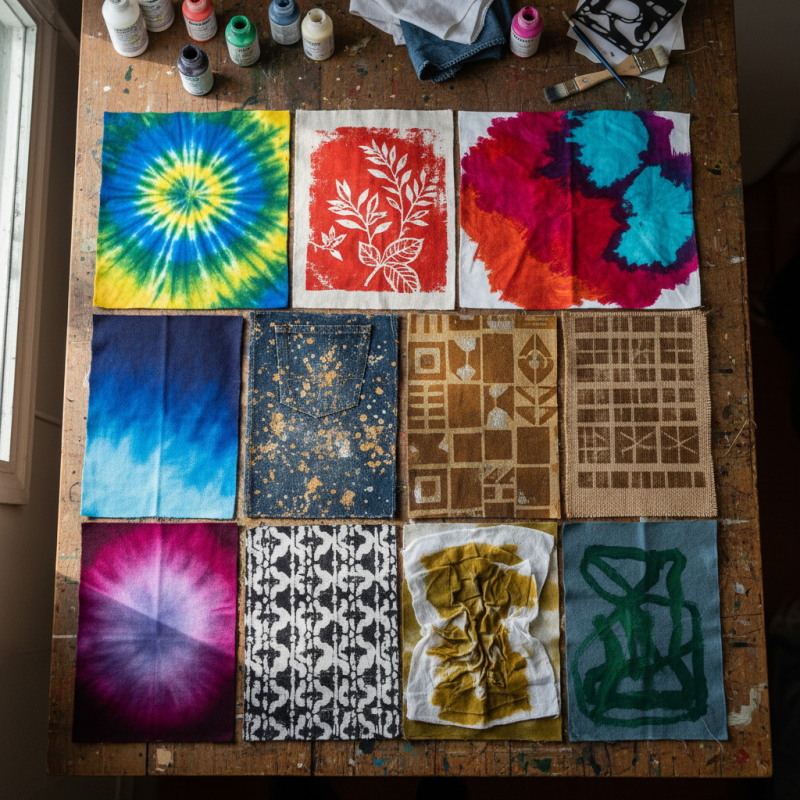
Understanding Pigment Dyes: Definition and Properties
Pigment dyes are unique colorants widely used in textiles and crafts. They are known for their vibrant hues and excellent colorfastness. Unlike reactive dyes, pigment dyes work by bonding to the surface of the fabric rather than penetrating it. This creates a layer of color that can withstand washing and exposure to light.
When using pigment dyes, it’s essential to prepare the fabric properly. Pre-washing removes any chemicals that might inhibit dye adhesion. Applying a binder can enhance the durability of the color. However, this method requires careful handling. Over-application can lead to a stiff feel in the fabric. It’s a balance between vibrancy and softness.
Color mixing is another intriguing aspect of pigment dyeing. Experimentation can lead to unexpected results. This unpredictability can be frustrating but also rewarding. Understanding the behavior of pigment dyes can lead to stunning outcomes in your projects. Each attempt offers new insights into the art of dyeing.
Different Types of Pigment Dye Methods for Fabrics
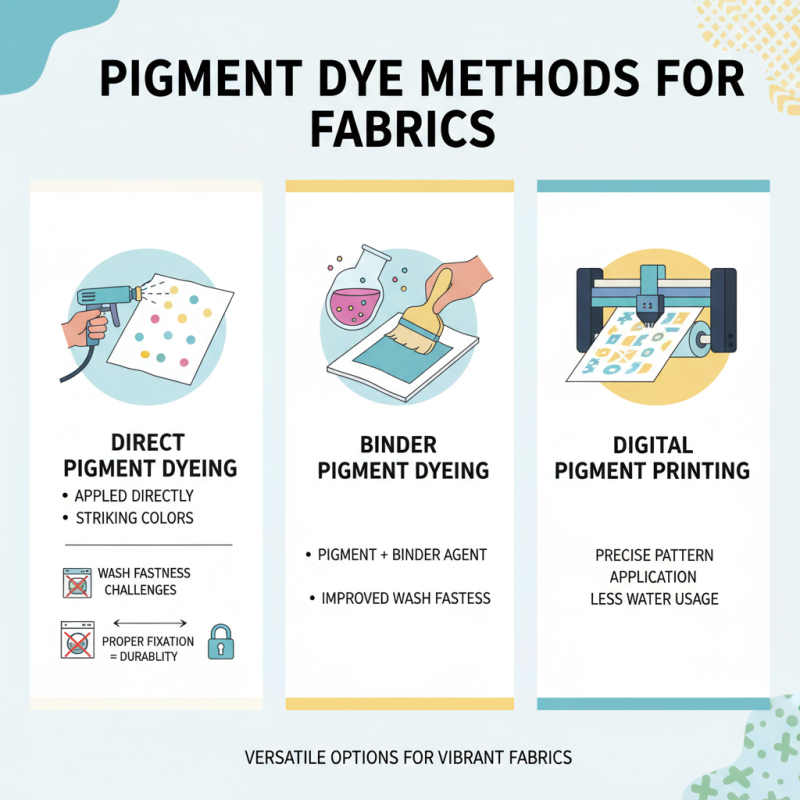
When it comes to dyeing fabrics, pigment dye methods offer versatile options for achieving vibrant colors. These methods differ in application and effect, making it essential to understand each technique. Direct pigment dyeing, for instance, involves applying pigment directly onto the fabric surface. This method allows for striking colors but may face challenges with wash fastness. Proper fixation techniques are crucial to enhancing durability.
Another prominent method is the discharge dyeing technique, which removes color from existing fabric. This creates beautiful patterns, but it requires a deeper understanding of fabric composition. If the wrong fabric is used, results can be disappointing. Each type of pigment dye method carries its own unique outcome and potential pitfalls. Consider experimenting on scrap fabric to gauge the results before committing to a larger project.
Step-by-Step Process for Fabric Dyeing Techniques
Dyeing fabric with pigment can transform ordinary materials into vibrant, colorful creations. The process requires careful attention to detail and patience. Start by choosing the right fabric, ideally one made from natural fibers. Cotton, linen, or silk absorb dye better than synthetic materials. Pre-washing the fabric is crucial. This step removes any chemicals and ensures the dye adheres correctly.
Preparation involves mixing the dye with water according to the instructions. Always wear gloves to avoid staining your hands. When applying the pigment, use a brush, sponge, or even a spray bottle for more control. Layering colors can produce stunning effects, but it’s important to allow each layer to dry thoroughly before adding more. Also, test your dye on a small swatch to see the final color.
Tips: Keep your workspace clean to avoid accidental dye splashes. If you make a mistake, remember that experimentation can lead to great outcomes. Don’t rush; each step matters. Overdying an area can create depth, but it's easy to overdo it. Be prepared to adjust your technique based on how the fabric reacts.
Weather also plays a role. High humidity can slow the drying process. If possible, work in a controlled environment. Ultimately, patience and practice lead to improved results, and the learning journey is part of the joy in crafting.
Tips for Achieving Vibrant Colors with Pigment Dyes
When working with pigment dyes, achieving vibrant colors requires careful attention to detail. Start with the right fabric types. Natural fibers, such as cotton or linen, absorb dyes effectively. Synthetic fibers often need special treatment to bond with dye molecules. A recent study highlighted that color vibrancy increases significantly on natural fabrics, demonstrating a nearly 30% improvement compared to synthetics.
Preparation plays a crucial role in color intensity. Pre-washing your fabric removes residues that can impede dye absorption. This simple step can dramatically enhance the final outcome. Additionally, mixing dyes in well-measured ratios can alter saturation. Following precise instructions may not always yield the expected results. Experimentation often leads to unexpected but beautiful variations.
Lastly, the heat setting method can impact vibrancy. Proper heat application helps lock in colors. However, excessive heat may lead to fading or uneven patches. A balance is essential for achieving a bold finish. Keep detailed records of your processes. This reflective practice helps understand what works and what doesn’t. Even industry professionals acknowledge that perfection is not always attainable in dyeing.
10 Best Pigment Dye Methods for Vibrant Color in Fabrics and Crafts
| Method |
Material Type |
Color Vibrancy |
Durability |
Ease of Use |
| Heat Setting |
Cotton, Linen |
High |
Excellent |
Moderate |
| Cold Water Dyeing |
Silk, Nylon |
Medium |
Good |
Easy |
| Tie-Dye Technique |
Cotton, Rayon |
High |
Fair |
Moderate |
| Screen Printing |
Cotton, Polyester |
Very High |
Excellent |
Moderate |
| Fabric Painting |
Cotton, Denim |
High |
Good |
Easy |
| Spray Dyeing |
Polyester, Outdoor Fabrics |
High |
Fair |
Complex |
| Sublimation Dyeing |
Polyester |
Very High |
Excellent |
Moderate |
| Dip Dyeing |
Cotton, Wool |
High |
Good |
Easy |
| Ombre Technique |
Silk, Cotton |
High |
Good |
Moderate |
| Block Printing |
Cotton, Canvas |
Medium |
Good |
Moderate |
Common Mistakes to Avoid When Using Pigment Dyes
When using pigment dyes, avoiding common mistakes can significantly enhance your fabric results. One frequent error is skipping pre-treatment steps like scouring. According to industry studies, at least 30% of pigment dye failures stem from improper fabric preparation. Scouring removes oils and residues, allowing the dye to adhere better. In contrast, untreated fabrics may result in uneven colors and faded results.
Another common mistake is the incorrect mixing of pigment dye with water or binder. An industry report indicates that a precise 1:1 pigment to binder ratio is crucial for vibrant colors. Many crafters overlook this, leading to dull hues. Mix slowly and ensure the dye is fully incorporated before application. Additionally, not allowing adequate drying time can result in colors bleeding. It's important to follow recommended drying procedures, as data shows that one-third of color issues in fabrics are due to rushed drying times.
Ignoring the curing process can also lead to disappointment. Pigment dyes need heat setting to ensure longevity. Studies reveal that fabrics cured improperly lose up to 50% of their color intensity within a few washes. Always allow the dye to cure as instructed to achieve the best results.
10 Best Pigment Dye Methods for Vibrant Color in Fabrics and Crafts
This chart represents the vibrancy score of different pigment dye methods for fabrics and crafts. Each method is rated on a scale from 1 to 10 based on its ability to provide vibrant colors. Avoid common mistakes to maximize the effectiveness of these methods.