Blog
7 Best Solvent Dyes for Plastic Buying Guide
Choosing among the seven best solvent dyes for plastic requires more than comparing color strength or price. The right dye must suit the polymer, processing temperature, end-use environment, and required transparency. A vivid red may look excellent in a clear PET sample, yet fade under sunlight or migrate during storage. Small details matter.
Dr. George Wypych, a respected polymer materials specialist, has stated, “Colorants should be evaluated as part of the complete formulation, not as isolated ingredients.” This principle guides the buying decisions in this article. We examine compatibility, heat stability, lightfastness, dispersion, migration resistance, and regulatory suitability. We also consider how each dye performs in plastics such as ABS, polystyrene, polycarbonate, PET, and PVC.
Not every attractive shade is a reliable choice. Some dyes dissolve smoothly in the resin, while others create streaks, weak transparency, or uneven color around the screw and barrel. That difference becomes visible quickly. A supplier’s technical data sheet is useful, but it should not replace a small production trial. This guide is practical, though not perfect. Actual results can change with resin grade, dosage, equipment, and cooling conditions. Think carefully. Then compare the seven options before placing a large order for solvent dyes for plastic.
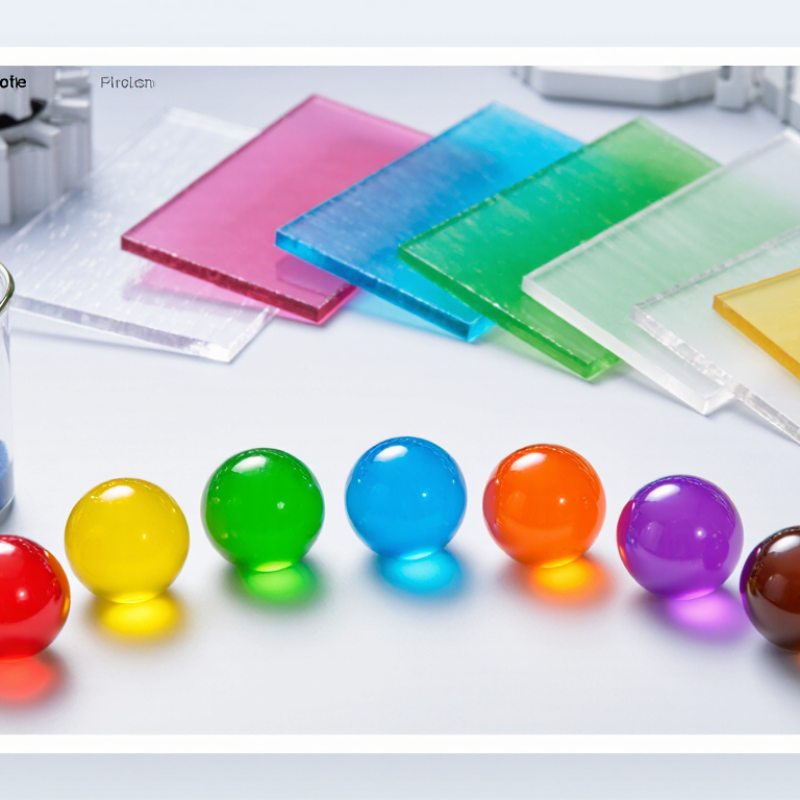
Define Plastic-Dye Fit: Solubility, Polarity, and 160–320°C Processing
Choosing among the seven best solvent dyes for plastic starts with fit, not shade.
The practical shortlist includes anthraquinone, azo, perylene, quinophthalone, phthalocyanine, coumarin, and methine chemistries. Solubility controls dispersion; polarity controls compatibility. A dye can dissolve well in a carrier yet bleed from a nonpolar polymer. That mistake is expensive.
PlasticsEurope reported 413.8 million tonnes of global plastics production in 2023 in Plastics—The Fast Facts 2024. Such volume magnifies small dosing errors.
Match the dye to the resin’s polarity and melt history. Nonpolar polyolefins often need low-polarity dyes with strong migration resistance. More polar engineering plastics may accept dyes with stronger intermolecular attraction. Check solubility at the actual concentration, not only in a warm laboratory solvent. Then test plaques after 24 hours, heat exposure, and oil contact.
Processing windows from 160 to 320°C are unforgiving. At 160–220°C, incomplete dissolution can create specks. Above 280°C, thermal fading and polymer oxidation deserve attention.
The OECD Global Plastics Outlook reported 353 million tonnes of plastic waste in 2019. Avoidable color defects add to that burden.
Use melt filtration and CIELAB ΔE measurements. I would not call any dye “best” before checking extraction, weathering, and lot variation.
My first screening can be wrong. Resin moisture, screw shear, and residence time often change the result. Record all three.
Shortlist Seven Solvent Dyes by Polymer Compatibility and C.I. Numbers
Selecting a solvent dye starts with polymer compatibility, not color alone. In practical trials, the same shade can behave differently after molding, cooling, or storage. This shortlist covers seven useful C.I. entries for screening.
Solvent Yellow 14 (C.I. 12055) suits PS, ABS, SAN, and PMMA.
Solvent Yellow 93 (C.I. 48160) is worth checking for PS, ABS, PMMA, and selected PC grades.
Solvent Orange 60 (C.I. 564100) offers strong orange coloration in PS, ABS, SAN, PMMA, and PC.
Solvent Red 135 (C.I. 564120) commonly fits engineering plastics, including ABS, PC, and PMMA.
Solvent Red 179 (C.I. 564150) can support deep red shades in PS, ABS, PC, and some polyamide systems.
Solvent Blue 35 (C.I. 61554) is frequently screened for PS, ABS, SAN, PMMA, and PC.
Solvent Green 3 (C.I. 61565) may suit similar styrenic and acrylic polymers.
Tips: Confirm the exact polymer grade, melt temperature, dosage, and light requirement with the supplier’s technical data. Run a small plaque test. Check color strength, warpage, plate-out, and migration after heat aging. Do not assume compatibility from a color card. I have seen attractive samples lose clarity after processing. That result is easy to overlook. C.I. numbers identify colorants, but they do not guarantee performance in every formulation. Final approval should include processing trials and application-specific testing.
Compare Heat, Lightfastness, and Migration with ASTM Testing Methods
7 Best Solvent Dyes for Plastic Buying Guide
Choosing the seven best solvent dyes starts with the plastic, not the color chart. Transparent yellow, orange, red, violet, blue, green, and black dyes can suit different resins and processing temperatures. Ask for molded plaques, not powder samples. A plaque shows shade, clarity, streaking, and surface bloom more honestly.
Heat stability needs controlled testing. Use ASTM D3045 for thermal aging, then compare color change with ASTM D2244. Record barrel temperature, residence time, and cooling conditions. A dye that survives 280°C briefly may fail after repeated processing. Small differences matter. Check the plaque near the gate, where shear and heat often increase.
For lightfastness, xenon-arc exposure under ASTM G155 or ASTM D4459 can reveal fading and yellowing. Measure before-and-after color values, rather than relying on visual judgment alone. Migration requires more care. Condition samples with the intended resin, additives, and contact medium, then measure extractables by a validated gravimetric or chromatographic procedure. ASTM methods can support comparison, but they do not automatically prove regulatory compliance. Review the target application and exposure conditions with a qualified laboratory.
My practical mistake was trusting a strong initial color. It later showed surface transfer after warm storage. Test stacked films, molded parts, and printed surfaces at realistic temperatures. Also inspect untreated areas; contamination can hide behind an attractive shade.
Verify FDA 21 CFR, EU REACH, and Heavy-Metal Compliance
A practical “7 Best Solvent Dyes for Plastic” list should begin with compliance, not shade strength. Common candidates include Solvent Yellow 14, Solvent Yellow 16, Solvent Red 24, Solvent Blue 35, Solvent Green 5, Solvent Violet 13, and Solvent Orange 60. These dyes can suit polymers such as ABS, polystyrene, acrylic, or polycarbonate, but performance varies with processing temperature and resin chemistry. Test the actual formula.
FDA 21 CFR compliance depends on the intended application, polymer, concentration, and extraction conditions. A supplier’s general statement is not enough. Request the exact regulatory reference, CAS number, composition, certificate of analysis, and food-contact test data. For European sales, review EU REACH registration status, SVHC screening, restrictions, and supporting declarations. REACH compliance is not the same as automatic food-contact approval.
Heavy metals require separate attention. Ask for recent ICP-MS or equivalent test results covering lead, mercury, cadmium, hexavalent chromium, and other restricted elements. XRF screening is useful, but it may not replace laboratory confirmation. Check color migration, odor, heat stability, and batch consistency in molded samples. Tiny dosage changes matter. In practice, documentation can look complete while missing the final application detail. That gap deserves a careful review before purchasing.
| Selection | Solvent Dye | CAS Registry Number | Typical Shade | Common Plastic Applications | Key Performance Characteristics | FDA 21 CFR Verification | EU REACH Verification | Heavy-Metal Compliance Check | Recommended Purchasing Documents |
|---|---|---|---|---|---|---|---|---|---|
| 1 | Solvent Yellow 14 C.I. 12055 |
842-07-9 | Yellow to orange-yellow | Polystyrene, ABS, SAN, PMMA, polyolefins, coatings, and solvent-based inks | Good color strength and transparency; suitable for transparent and translucent plastic coloration. Light and heat resistance depend on concentration and polymer processing conditions. | Do not assume compliance. | Verify substance identity, registration or exemption status, restrictions, and SVHC information for the intended market. | Request a batch-specific test for lead, cadmium, mercury, hexavalent chromium, and other restricted elements. | SDS, technical data sheet, composition statement, FDA 21 CFR assessment, REACH statement, and heavy-metal test report. |
| 2 | Solvent Yellow 16 C.I. 12700 |
4314-14-1 | Greenish yellow | Engineering plastics, polystyrene, ABS, acrylic plastics, and solvent-based coatings | Bright transparent shade with useful color strength; compatibility should be confirmed in high-temperature polymers and recycled resin streams. | Verify the finished article and intended use under applicable FDA regulations; dye identity alone is not an approval. | Confirm REACH registration or exemption and check Annex XVII restrictions and SVHC obligations. | Require an analytical report showing compliance with the buyer’s heavy-metal limits and applicable packaging or product legislation. | CAS confirmation, purity specification, migration or extraction data where relevant, REACH documentation, and elemental analysis. |
| 3 | Solvent Orange 60 C.I. 56410 |
6925-69-5 | Orange to reddish orange | ABS, polystyrene, polycarbonate, PMMA, polyamide, and high-performance engineering plastics | Strong fluorescent orange-red appearance and good transparency; commonly selected where vivid coloration is required. | Confirm that the specific formulation and final plastic article meet the applicable 21 CFR requirements. | Check the current REACH status of the exact substance and any obligations for articles, mixtures, or imported material. | Obtain a heavy-metal declaration supported by laboratory testing, especially for food-contact, toy, electrical, and consumer-product applications. | SDS, technical data sheet, certificate of analysis, regulatory declaration, and heavy-metal laboratory report. |
| 4 | Solvent Red 135 C.I. 564120 |
71902-17-5 | Red to bluish red | Polystyrene, ABS, polycarbonate, PMMA, polyolefins, and petroleum-based products | High tinting strength and transparent red coloration; final heat, light, and migration performance depends on resin type and dosage. | A supplier statement is insufficient without confirming the applicable FDA section and end-use conditions. | Verify registration status, supply-chain communication, and restrictions for the exact CAS substance. | Confirm that intentionally added metal contaminants are below the applicable limits; request testing from an ISO/IEC 17025 laboratory where possible. | Regulatory compliance statement, impurity profile, certificate of analysis, REACH documentation, and elemental screening report. |
| 5 | Solvent Red 195 | 164251-88-1 | Bright red | Polyolefins, ABS, polystyrene, engineering plastics, synthetic fibers, and industrial coatings | Vivid red shade with good color strength; test for bleeding, blooming, and thermal stability in the selected polymer and processing window. | Verify food-contact status separately; general plastic use does not establish FDA compliance. | Request confirmation of REACH registration or exemption and review current restriction and SVHC requirements. | Specify maximum limits for lead, cadmium, mercury, and chromium VI in the purchase specification and verify by test report. | Full SDS, composition disclosure, processing stability data, FDA assessment if applicable, REACH statement, and heavy-metal report. |
| 6 | Solvent Blue 35 C.I. 61554 |
17354-14-2 | Blue to greenish blue | Polystyrene, ABS, polycarbonate, PMMA, polyamide, polyolefins, waxes, and hydrocarbon products | Transparent blue shade with good solvency in many organic media; compatibility, extraction resistance, and lightfastness should be validated for the final application. | Check the relevant 21 CFR regulation and finished-article conditions rather than relying on the dye name alone. | Confirm exact substance registration, restrictions, and communication duties through the supply chain. | Request elemental impurity testing and a declaration covering applicable restricted-substance requirements. | CAS and identity confirmation, purity data, SDS, REACH documentation, FDA assessment where needed, and heavy-metal test results. |
| 7 | Solvent Blue 104 C.I. 61568 |
116-75-6 | Greenish blue to blue | ABS, polystyrene, polycarbonate, PMMA, polyamide, polyester, and specialty plastic compounds | Strong transparent blue coloration and useful compatibility with several engineering plastics; conduct migration and heat-aging tests for demanding applications. | Food-contact or medical use requires a documented assessment against the specific FDA 21 CFR requirements. | Verify REACH registration or exemption, Annex XVII restrictions, and SVHC communication obligations. | Require current heavy-metal testing, especially when the dye is used in children’s products, packaging, electronics, or recycled polymers. | SDS, technical data sheet, certificate of analysis, regulatory declarations, migration data where applicable, and elemental analysis. |
| Buying note: FDA 21 CFR and EU REACH compliance are not automatically conferred by a color index name or CAS number. Before purchase, verify the exact chemical composition, impurities, manufacturing grade, intended polymer, processing conditions, finished-article use, migration requirements, REACH status, and current heavy-metal limits. Ask for documents tied to the specific production batch and supplier formulation. | |||||||||
Build a Buying Matrix for Dosage, Color Strength, Cost, and Supply Risk
A practical buying matrix makes solvent dye selection less subjective. Compare seven candidates across dosage, color strength, total cost, and supply risk. Record dosage as a percentage of resin weight. Test each dye at identical processing temperatures and mixing times. Color strength should be measured against a fixed reference panel, not judged by appearance alone. A transparent film can reveal streaks, haze, or weak saturation. Small details matter.
Cost needs more than a price-per-kilogram column. Include required dosage, processing losses, testing fees, and rejected parts. A stronger dye may cost more initially but reduce consumption. Supply risk deserves a clear score. Check lead time, minimum order quantity, production capacity, and alternate raw-material sources. My first matrix missed packaging delays, which later affected planning. That was an avoidable mistake.
Tips: Run a small pilot before approval. Keep samples from every trial. Recheck color after heat aging and light exposure. Ask for consistent technical data, but verify it independently. A supplier’s stated strength may not match your polymer, equipment, or target shade. Review the matrix quarterly. Market conditions change, and yesterday’s safest option may become tomorrow’s bottleneck.
7 Best Solvent Dyes for Plastic: Buying Matrix
Comparison of commonly used solvent dyes for plastic coloration. Dosage values are typical starting ranges in % by weight; color strength, cost, and supply risk are planning indices from 0 to 100. Higher color strength is better, while higher cost and supply risk require more procurement attention.
Buying guidance: Solvent Yellow 14 and Solvent Orange 60 are practical choices for yellow-to-orange shades. Solvent Blue 35 and Solvent Blue 97 are suitable for blue coloration, while Solvent Red 135 and Solvent Red 179 support red shades with strong tinting efficiency. Solvent Green 5 can be considered for green applications where supply continuity is acceptable. Confirm heat stability, migration resistance, regulatory status, certificate of analysis, and final dosage through production trials.
Related Posts
-
What is Solvent Pigment and How Does it Impact Your Art Projects
-

Top Uses of Solvent Dyes in Various Industries
-
How to Use Solvent Dye Powder for Vibrant Coloring Projects?
-

Top 10 Solvent Pigments in China You Should Know?
-

Best Solvent Dye Powder for Global Buyers in 2026?
-

What is Solvent Pigment and Its Applications in Industry?