Best Solvent Dyes for Plastic What to Consider for Global Buyers
In the global market for plastic coloring, solvent dyes for plastic play a crucial role. Industry reports indicate that the demand for these dyes is steadily increasing, driven by their versatility and vivid color range. For example, the global solvent dye market is expected to reach USD 4 billion by 2025, with a significant share attributed to plastic applications. This growth reflects the ongoing trend toward customizable and vibrant plastic products.
When selecting solvent dyes for plastic, buyers must consider several factors. Compatibility with various plastics is essential to ensure optimal performance. Additionally, buyers should evaluate the lightfastness and temperature stability of the dyes. Reports from market analysts highlight that nearly 40% of dye failures stem from inadequate testing for these critical attributes. This emphasizes the need for thorough research and potentially partnering with reliable suppliers for quality assurance.
The importance of regulatory compliance cannot be overlooked in this industry. Many regions have strict guidelines regarding chemical safety and environmental impact. Failure to comply can lead to severe penalties and loss of market access. Thus, understanding the intricacies of solvent dyes for plastic is vital for global buyers aiming to enhance their product offerings while adhering to safety standards.
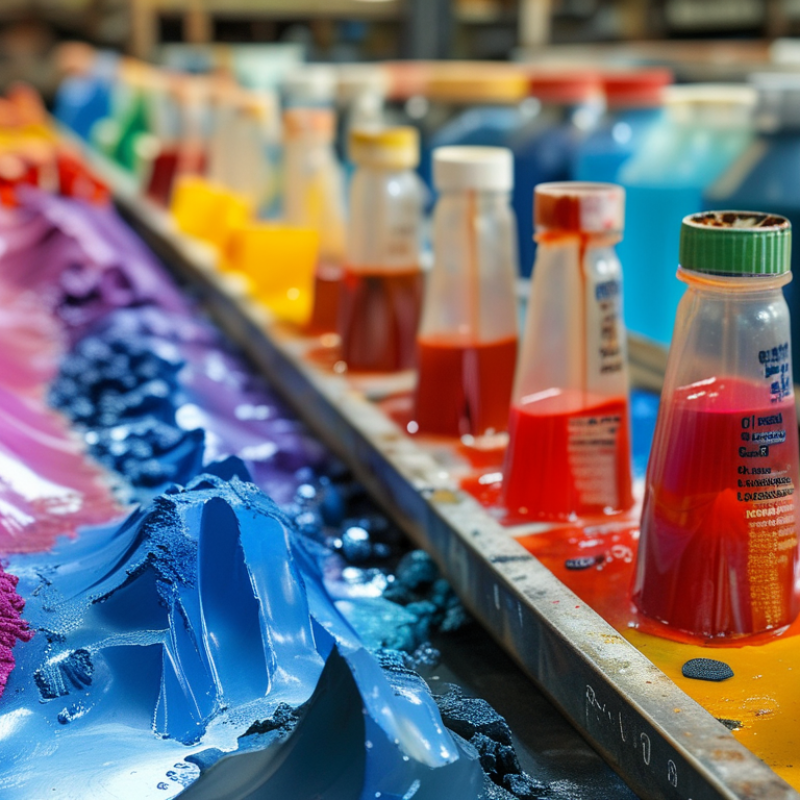
Overview of Solvent Dyes and Their Applications in Plastics
Solvent dyes play a vital role in the plastic industry. They dissolve in organic solvents and offer vibrant colors. These dyes easily penetrate plastic materials, ensuring uniform color dispersion. This feature is essential for products requiring consistent aesthetics.
Applications of solvent dyes in plastics are diverse. They are used in coatings, inks, and plastics for both consumer and industrial uses. Aiming for high-quality finishes, manufacturers select dyes with lightfastness and chemical resistance. This consideration is crucial, especially for outdoor products exposed to harsh conditions.
While solvent dyes bring many advantages, there are challenges. Some dyes may not achieve desired colors easily. Additionally, handling solvent dyes requires care due to their organic nature. Sustainability is an emerging concern, leading to a rise in eco-friendly alternatives. This shift indicates that the market is evolving, constantly seeking better solutions for plastic coloration.
Key Factors for Selecting Solvent Dyes for Plastic Products
When selecting solvent dyes for plastic products, there are several factors to consider. The compatibility of the dye with the plastic type is crucial. Not all dyes work well with every plastic. Some dyes may not bond effectively, which could lead to fading over time. Testing different dyes on various plastics can provide insight into their performance.
Colorfastness is another key factor. The dye’s ability to withstand environmental conditions affects product longevity. Consider the intended use of the plastic. Will it be exposed to UV light or harsh chemicals? In such cases, choosing a dye with superior color retention is essential.
Tips for selecting solvent dyes include assessing the dye's solubility in different solvents. This can impact application methods and results. Evaluating the dyeing process is also important. A simpler process may save time and labor. Finally, gather feedback from experienced users in the industry. Their insights can guide your decision-making.
Comparative Analysis of Popular Solvent Dyes in the Market
In the world of plastic coloring, solvent dyes play a critical role. They provide vibrant colors and excellent transparency to various plastic products. A comparative analysis of popular solvent dyes reveals some noteworthy insights. According to recent industry reports, the global solvent dye market is expected to grow at a CAGR of 5.1% from 2020 to 2027. This growth is driven by rising demands in packaging and textile industries.
When analyzing solvent dyes, consider factors like solubility and compatibility. Certain dyes dissolve better in specific plastic types, affecting end product quality. Data from a 2022 study shows that about 70% of manufacturers prioritize solubility in their dye selection process. However, some dyes exhibit poor stability under UV light. This could lead to fading over time, a risk for products exposed to sunlight.
Cost is another critical consideration. While cheaper dyes may seem appealing, their longevity often comes into question. Quality should not be compromised for cost-effective solutions. In a survey, 45% of participants reported issues with quality when choosing low-cost dyes. Finding the right balance between price and performance is essential for manufacturers aiming for high-quality plastic products.
Best Solvent Dyes for Plastic: Comparative Analysis of Popular Solvent Dyes in the Market
| Dye Name |
Color Range |
Solubility |
Light Fastness |
Applications |
| Dye A |
Red, Blue, Yellow |
Good |
Moderate |
Plastics, Inks |
| Dye B |
Green, Brown |
Excellent |
High |
Coatings, Plastics |
| Dye C |
Black, Indigo |
Good |
Very High |
Plastics, Textiles |
| Dye D |
Blue, Violet |
Excellent |
Moderate |
Plastics, Inks |
| Dye E |
Yellow, Orange |
Good |
High |
Coatings, Plastics |
Environmental Considerations and Regulations for Solvent Dyes
When selecting solvent dyes for plastic, environmental factors are paramount. Regulations vary widely, particularly regarding volatile organic compounds (VOCs). Reports indicate that specific VOCs in dyes contribute to air pollution and health concerns. The Global Organic Indoor Air Quality Conference highlighted a 30% increase in air quality complaints associated with VOC emissions from solvent dyes in recent years.
Many countries enforce strict limits on harmful substances in dyes. The European Union’s REACH regulation is one notable example. It mandates extensive testing of chemical substances to ensure safety for human health and the environment. This regulatory framework encourages manufacturers to seek safer alternatives. As a result, the industry is increasingly focusing on eco-friendlier dye formulations.
Manufacturers are urged to adapt to these regulations. Failing to comply can result in significant penalties. Additionally, research shows a growing demand for sustainable products. A report from the International Journal of Environmental Research indicated that 70% of consumers prefer environmentally friendly products. This trend prompts buyers to be more discerning when sourcing dyes, pushing for transparent practices and eco-friendly certifications.
Environmental Considerations for Solvent Dyes in Plastics
Future Trends in Solvent Dye Technology for Global Markets
The future of solvent dye technology is rapidly evolving. Innovations are reshaping how dyes are utilized in the plastic industry. Environmental concerns are pushing for more sustainable solutions. Manufacturers are exploring bio-based dyes as an alternative. These new products not only reduce pollution but also enhance the overall performance of plastics.
As global buyers seek better options, understanding the latest trends becomes crucial. Advanced applications of solvent dyes are expected to improve durability and color fastness. This growth stems from the need for consistent quality across various plastic products. However, challenges remain, such as ensuring compatibility with different resins. Achieving a perfect match is still an area that requires careful consideration.
Engaging in continuous research is vital for buyers. They should pay attention to developments in solvent dye formulations. Discovering suppliers who prioritize eco-friendly practices can lead to better sourcing decisions. Monitoring industry publications can also keep you informed about breakthroughs. New technologies may offer ways to enhance color stability and environmental impact. Adapting to these trends is essential for maintaining a competitive edge in the market.