The Best 10 Solvent Soluble Dyes for Your Projects?

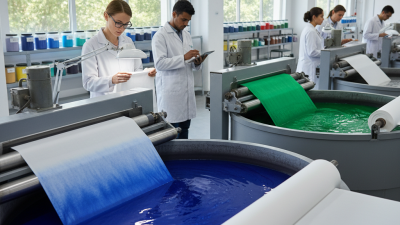
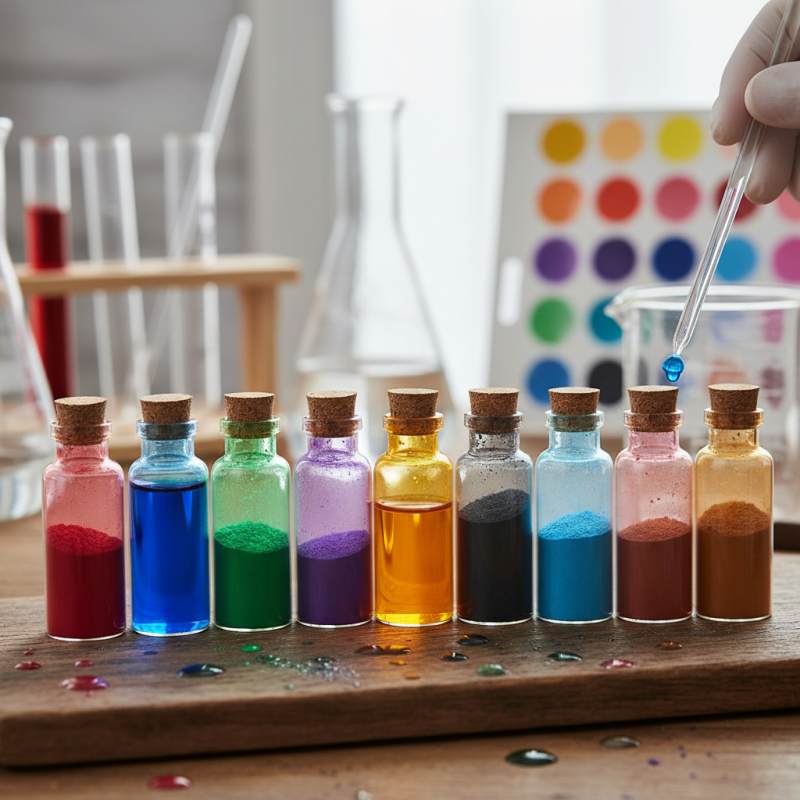
When selecting the right materials for your projects, the choice of dyes is crucial. Solvent soluble dyes are versatile options used in various applications. These dyes dissolve easily in organic solvents, making them suitable for coloring a range of materials.

Choosing the best solvent soluble dyes can be challenging. Different projects require different colors and properties. There are moments when the dye may not perform as expected, leading to frustration. It’s essential to test dyes before committing to a large batch.

In this guide, we explore the top 10 solvent soluble dyes. Each option has unique strengths and weaknesses. Understanding these aspects can help refine your choices for better results. Crafting with solvent soluble dyes is both an art and a science.
The Best 10 Solvent Soluble Dyes for Your Projects?

The Importance of Solvent Soluble Dyes in Various Industries

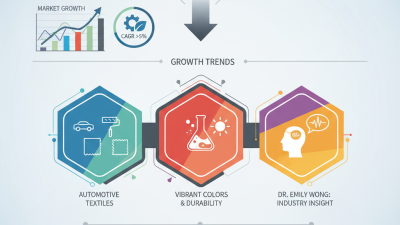
Solvent soluble dyes play a crucial role in various industries, including textiles, plastics, and printing. Their ability to dissolve in organic solvents makes them invaluable for creating vibrant colors. According to a recent market report, the global dye market size was valued at over $12 billion in 2022. This figure reflects the increasing demand for high-quality dyes in manufacturing processes.

In the textile industry, solvent soluble dyes are often preferred for their excellent color fastness and compatibility with synthetic fibers. However, there's an ongoing debate about their environmental impact. Reports suggest that some solvent dyes may pose risks due to their chemical compositions. The need for sustainable alternatives is more pressing than ever. Yet, not all manufacturers are fully aware of the implications.

The printing industry is also heavily reliant on these dyes. They allow for precision and clarity in designs. A study indicated that about 70% of printing companies now use solvent dyes to achieve the desired quality. However, these practices highlight a challenge: balancing performance with environmental responsibility. Many companies struggle to find that equilibrium, which can lead to regulatory scrutiny.
The Best 10 Solvent Soluble Dyes for Your Projects

This chart represents the solubility levels of the ten best solvent soluble dyes utilized across various industries. Understanding these properties helps in selecting the right dye for specific applications.

Top Characteristics to Look for in Solvent Soluble Dyes

When choosing solvent soluble dyes for your projects, it’s essential to focus on key characteristics. Colorfastness is crucial. You want the dye to maintain its hue over time. High-quality dyes resist fading even under UV light. Poor choices might lead to a lackluster finish. That’s not what you want for your creative work.

Solubility is another important factor. The dye should dissolve easily in solvents, ensuring an even application. If a dye clumps or settles, it can ruin your project. Additionally, consider the viscosity of the dye. A dye that is too thick can be challenging to work with. Test samples can help identify the right consistency for your needs.

Consider the dye’s safety and environmental impact. Some dyes contain chemicals that may be harmful. Always read the safety data sheets. Opting for dyes with fewer harmful components can improve your work environment. Finding the perfect balance may require experimentation. It’s part of the creative journey. Each selection brings you closer to mastering your craft.

Comparative Analysis of the 10 Best Solvent Soluble Dyes in 2023

The Best 10 Solvent Soluble Dyes for Your Projects?

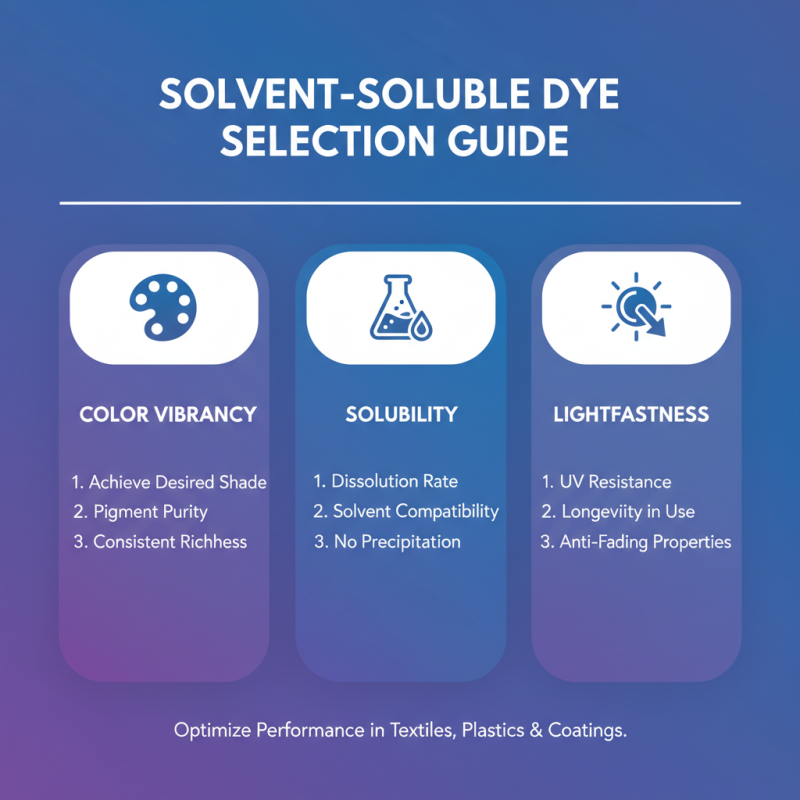
When selecting the best solvent soluble dyes, several factors come into play. Solvent dyes are used widely in various applications, from textiles to plastics. Their ability to dissolve in organic solvents is crucial. But, not all dyes are created equal. The color vibrancy, solubility speed, and lightfastness can vary significantly among options. Some dyes may not provide the expected shade upon application, leaving room for disappointment.

Creating a project with the wrong dye can lead to unintended consequences. You may find that some dyes bleed or fade quicker than anticipated. Practical experimentation is often needed to evaluate performance. A hands-on approach in sampling can reveal which dyes offer consistency. Understanding how the dye interacts with your medium is essential. This is often a trial-and-error process, but it's worth the investment for the perfect finish.

Despite the challenges, using the right solvent soluble dye can enhance creativity. Each project can showcase stunning colors when the right dye is chosen. Although imperfections may surface, they can lead to insight on future selections. Finding the perfect balance of performance, color, and application is key. Dyes can surprise you, for better or worse, but it's part of the artistic journey.

Application of Solvent Soluble Dyes in Textiles and Paints

Solvent soluble dyes play a crucial role in textiles and paints, offering vibrant colors and excellent stability. In the textile industry, these dyes are favored for their ability to penetrate fibers deeply. Reports indicate that approximately 60% of dyeing processes involve solvent-based applications. This characteristic ensures that colors remain bright and resistant to fading.

In paint applications, solvent soluble dyes provide consistent color and ease of blending. They dissolve quickly, allowing for more uniform applications. According to industry studies, these dyes can increase color strength by 25% compared to traditional water-based dyes. However, the environmental impact of solvents cannot be overlooked. The volatile organic chemicals (VOCs) present in many solvent dyes can contribute to air pollution.

Tips: When working with solvent soluble dyes, always ensure proper ventilation. Avoid inhaling fumes during application. Test a small sample first to achieve desired color results. Remember that working with these dyes may require additional safety measures, like gloves and masks. Reflect on the potential environmental consequences to make better choices for sustainable practices.

Safety and Environmental Considerations for Using Solvent Soluble Dyes

Using solvent soluble dyes can enhance your projects significantly. However, safety and environmental concerns are crucial. When working with these dyes, proper ventilation is essential. These products often release volatile organic compounds. These compounds can affect indoor air quality. A well-ventilated space minimizes inhalation risks.

Personal protective equipment is equally important. Gloves, masks, and goggles protect against skin and eye irritation. Many of these dyes are derived from chemicals that can be harmful with prolonged exposure. Spills can lead to environmental contamination. It’s vital to have spill kits ready for quick response.

Disposing of solvent dyes can be tricky. They cannot simply be thrown in the trash. Local regulations may dictate specific disposal methods. Always check guidelines to prevent environmental damage. Reflecting on the materials you use is important. Opting for safer alternatives whenever possible can contribute to a healthier planet. Awareness and caution go a long way in dye usage.

The Best 10 Solvent Soluble Dyes for Your Projects - Safety and Environmental Considerations

Dye Name Solvent Type Applications Safety Considerations Environmental Impact
Dye A Acetone Textiles, Plastics Flammable, Use in well-ventilated area Moderate toxicity, avoid release into environment
Dye B Ethanol Inks, Coatings Irritant, wear protective gear Biodegradable, low environmental impact
Dye C Toluene Artwork, Resin applications Highly flammable, hazardous vapors Persistently toxic, regulate disposal
Dye D Xylene Industrial fabrics, Leather Health risks with prolonged exposure Significant environmental concern if spilled
Dye E Propylene Glycol Food packaging, Cosmetics Generally recognized as safe, minimal risks Low risk to environment
Dye F Hexane Plastic products, Adhesives Flammable, neurotoxic effects Negative effects on aquatic life
Dye G Methyl Ethyl Ketone Coatings, Paints Irritant, use gloves and mask Low to medium environmental risk
Dye H Acetic Acid Textiles, Pharmaceuticals Corrosive, ensure adequate ventilation Degradable, minimal environmental impact
Dye I Butanol Industrial applications, Coatings Mild irritant, handle with care Low toxicity, eco-friendly
Dye J Chloroform Extraction processes, Laboratories Potential carcinogen, use in fume hood High risk for environmental contamination
Enquire Now