Chemical Industry Trends to Watch in 2026 What to Know?
As we approach 2026, understanding chemical industry trends becomes crucial for stakeholders. The evolving landscape is shaped by innovations, regulatory changes, and sustainability efforts. Industry players must remain agile to adapt to these shifts effectively.
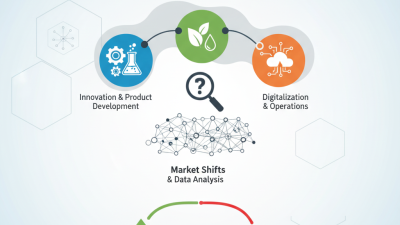
Recent advancements in green chemistry indicate a significant shift. Companies are investing in eco-friendly processes and materials. This trend is not just a response to regulatory pressures but also consumer demands for sustainable products. The focus on reducing environmental impact will guide many strategic decisions.
Moreover, digitalization is transforming operations. Data analytics and AI are enhancing efficiency and productivity. However, this shift requires skills that are currently in short supply. Reflecting on these developments, companies need to invest in training and collaboration. Embracing these chemical industry trends is essential for long-term success and resilience.
Future of Sustainable Chemicals: Market Growth Projections for 2026
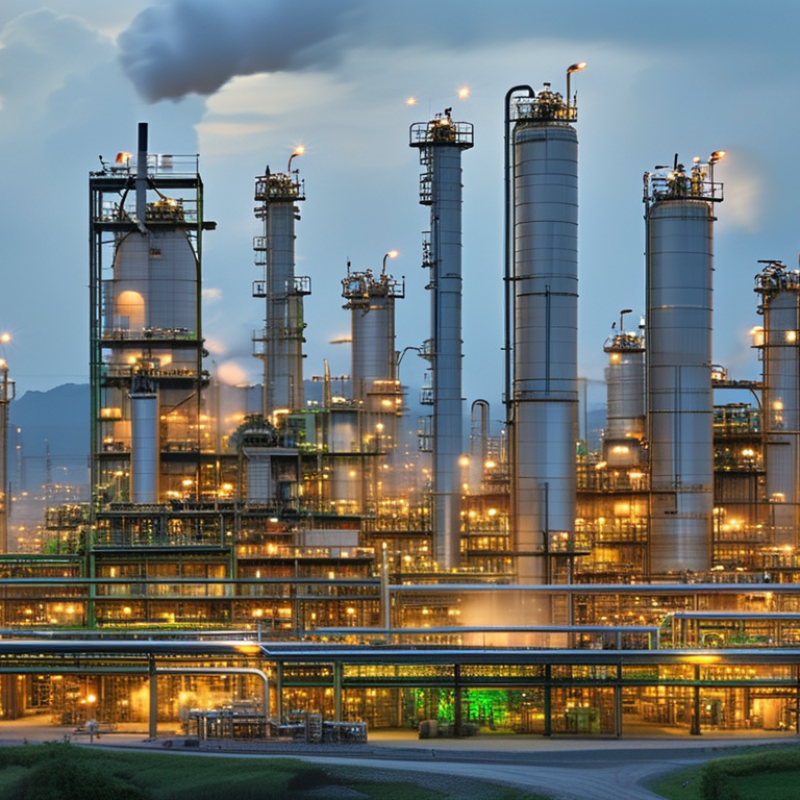
As we look toward 2026, the chemical industry is evolving rapidly. Sustainable chemicals are at the forefront of this change. Market growth projections indicate a significant shift towards eco-friendly solutions. A recent study shows an increase in demand for bioplastics and renewable fuels. These innovations aim to reduce environmental impact while still meeting consumer needs.
Investment in research and development is crucial. Companies are exploring alternative materials and processes. This shift requires collaboration across various sectors. However, challenges remain. Many companies struggle with integrating sustainable practices into existing frameworks. Regulatory hurdles and cost barriers also pose difficulties. It’s important for industry players to address these issues head-on.
Sustainability must be prioritized, yet it requires careful planning. There is a need to balance innovation with practicality. Engaging stakeholders can foster a more sustainable approach. Companies should listen to the concerns of consumers and communities. Ultimately, aligning economic goals with environmental responsibility is essential. The future of sustainable chemicals depends on this balance.
Technological Advancements: Role of AI and Automation in Chemical Production
The integration of AI and automation in chemical production is transforming the industry. According to a recent report by Deloitte, automation could enhance production efficiency by up to 25% by 2026. Many plants are adopting robotics for routine tasks, which reduces manual labor costs. However, this shift raises concerns about job displacement.
AI applications are gaining traction in chemical processes. For example, predictive maintenance can reduce downtime by 30%. This technology allows for better scheduling of maintenance activities, enhancing operational resilience. Yet, reliance on AI also poses risks. Decisions made by algorithms may lack human insight, potentially leading to unanticipated consequences.
On the sustainability front, AI can optimize resource use. A study by McKinsey revealed that AI could decrease energy consumption in chemical plants by 20%. However, the implementation of these technologies requires significant investment and a skilled workforce. Bridging the skill gap is crucial, as many current workers lack the necessary training to operate advanced systems.
Chemical Industry Trends to Watch in 2026: Technological Advancements
Regulatory Changes: Impact of Environmental Policies on the Chemical Sector
The chemical industry is experiencing significant changes due to evolving environmental policies. As regulations tighten, companies must adapt their practices. This shift can impact everything from production methods to waste management.
Implementing eco-friendly technologies will be crucial. Firms should invest in cleaner alternatives and sustainable practices. For instance, using renewable energy sources can reduce emissions and enhance compliance with regulations. However, the transition may pose challenges, especially for smaller manufacturers. They may struggle with the initial costs or lack the expertise to implement new technologies.
Tips for adaptation include forming partnerships with regulatory bodies. Companies should stay informed about policy changes and participate in discussions. Engaging with stakeholders can foster innovation and share the financial burden of adapting to these evolving regulations. In 2026, the ability to navigate these environmental policies will be a key differentiator in the chemical sector.
Emerging Markets: Growth Insights from Asia-Pacific and Latin America
Emerging markets in Asia-Pacific and Latin America are showing significant growth in the chemical industry. These regions are becoming key players in global supply chains. Rapid industrialization and urbanization are driving demand for various chemical products. Countries like India and Brazil are witnessing increased investments in petrochemicals and specialty chemicals.
In Asia-Pacific, innovation in sustainable practices is gaining traction. Many companies focus on eco-friendly production methods. This shift reflects a growing consumer preference for sustainable products. However, the industry also faces challenges such as regulatory hurdles and fluctuating raw material costs. Navigating these complexities will be crucial for long-term success.
Latin America's potential cannot be overlooked. The region is rich in natural resources, which supports chemical production. Yet, political instability remains a concern for investors. Companies must be adaptable and develop localized strategies. This adaptability can help mitigate risks associated with market volatility and ensure sustainable growth amidst uncertainties.
Circular Economy: Trends in Recycling and Waste Management Solutions in 2026
The circular economy is gaining traction as we approach 2026. This model prioritizes resource efficiency and sustainability. Recycling and waste management are at its core. Companies are exploring innovative ways to recover materials. They're focusing on reducing landfill waste and maximizing the lifecycle of products.
Investments in advanced recycling technologies are on the rise. These processes can transform waste into new materials. However, challenges persist. Not all waste is easily recyclable. Contamination often hinders effective recycling efforts. Industries must collaborate to address these issues.
Education about waste sorting is crucial. Consumers need guidance on proper disposal methods. The role of corporations in managing waste will evolve. Accountability will be essential for progress. As we move forward, the commitment to a circular economy will be critical in shaping sustainable practices.