How to Choose the Best Water Soluble Dye for Your Craft Projects
Choosing the right water soluble dye for your craft projects can significantly impact the quality and vibrancy of your creations. According to a recent market analysis by the Global Colorant Association, the demand for water soluble dyes has surged by over 15% in the past three years, reflecting a growing interest among crafters and artists in sustainable and versatile coloring solutions. This remarkable increase indicates that more individuals are exploring the creative possibilities offered by these dyes, which can be easily blended and used in various applications, from fabric dyeing to paper crafting.
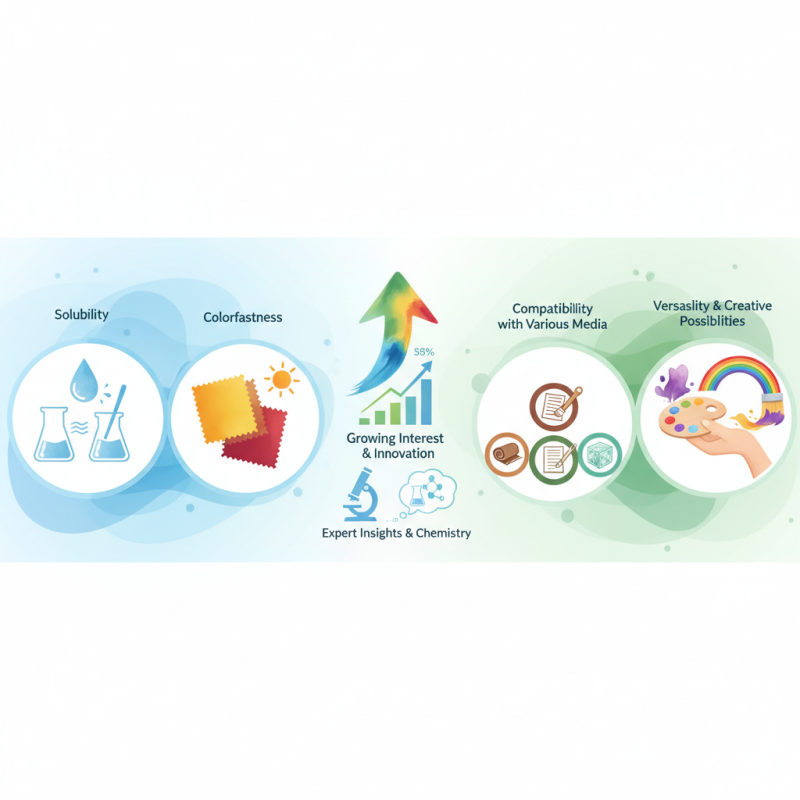
Expert insights further illuminate the significance of this trend. Dr. Alice Thompson, a renowned specialist in dye chemistry, states, "The versatility of water soluble dyes provides artisans with a unique advantage, allowing for a range of techniques that traditional dyes cannot achieve." Her perspective underscores the importance of understanding the characteristics of different water soluble dyes, including their solubility, colorfastness, and compatibility with various media. As more crafters seek to elevate their projects, navigating the vast array of options available becomes essential for creating stunning and lasting works of art.
Factors to Consider When Choosing Water Soluble Dyes
When selecting the best water soluble dye for your craft projects, several factors should be taken into account to ensure the chosen dye meets your specific needs. First, consider the type of material you'll be dyeing. Different fabrics, such as cotton, silk, or synthetic blends, may react differently to various dyes. It’s important to select a dye that is compatible with the material to achieve optimal color results and durability. Additionally, pay attention to the dye's lightfastness, which indicates how well the color will hold up against exposure to sunlight. A dye that fades quickly may not be suitable for crafts that will be displayed outdoors.
Another crucial factor is the color intensity and mixing ability of the dye. Some projects might require vivid, bold colors, while others may benefit from softer, pastel shades. Evaluate how the dye can be mixed with other colors to create custom shades that fit your creative vision.
Solubility and ease of application are also significant considerations; look for dyes that dissolve easily in water for a more straightforward crafting experience. Lastly, consider the environmental impact of the dye. Opting for non-toxic, eco-friendly options not only ensures your safety but also contributes to sustainable crafting practices.
Types of Water Soluble Dyes Available for Crafting
When it comes to crafting, water soluble dyes offer a vibrant and versatile option for adding color to various materials. These dyes are available in several types, including liquid dyes, powder dyes, and tablets. Liquid dyes are ready to use and can be easily mixed with water for a variety of applications, making them ideal for projects like fabric dyeing and paper crafting. The convenience of liquid form allows for quick preparation and immediate use, which is perfect for those who want to get started without much hassle.
Powder dyes, on the other hand, offer a concentrated option that requires a bit more preparation. They can be mixed with water to achieve the desired hue and intensity. This type of dye is great for larger projects, such as tie-dyeing fabrics, since crafters can control the concentration more precisely. Furthermore, powder dyes are often more economical in larger quantities, providing a cost-effective solution for extensive crafting endeavors.
Lastly, dye tablets are another user-friendly option that simplifies the dyeing process. They dissolve in water, allowing for easy application without the mess of loose powders. Perfect for kids' crafts or quick projects, these tablets provide consistent colors with minimal cleanup. Each type of water soluble dye comes with its own unique benefits, allowing crafters to choose the one that best fits their project needs and personal preferences.
How to Choose the Best Water Soluble Dye for Your Craft Projects - Types of Water Soluble Dyes Available for Crafting
| Type of Dye |
Solubility |
Best For |
Color Fastness |
Eco-Friendliness |
| Acid Dyes |
High |
Protein Fibers (Silk, Wool) |
Good |
Moderate |
| Reactive Dyes |
High |
Cotton and Blends |
Excellent |
Good |
| Direct Dyes |
Moderate |
Cellulosic Fibers |
Fair |
Moderate |
| Basic Dyes |
High |
Acrylics and Polyesters |
Poor |
Low |
| Natural Dyes |
Variable |
All Types of Fabric |
Variable |
High |
Compatibility of Water Soluble Dyes with Different Materials
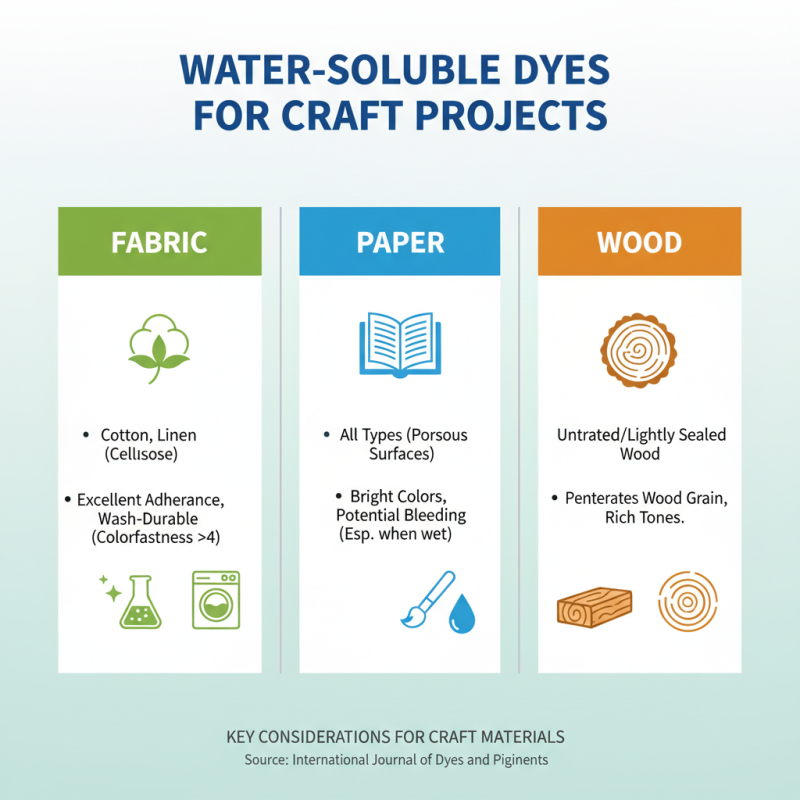
When selecting water-soluble dyes for craft projects, understanding their compatibility with various materials is crucial for achieving the desired results. Water-soluble dyes, such as those derived from natural sources or synthetic formulations, interact differently with substrates like fabric, paper, and wood. For instance, when used on cellulose-based fabrics such as cotton or linen, water-soluble dyes offer excellent adherence and vibrant color payoff. According to a study published by the International Journal of Dyes and Pigments, cellulose fabrics can achieve color fastness ratings above 4, ensuring durability through multiple washes.
Conversely, when applying water-soluble dyes to synthetic materials such as polyester, challenges may arise due to the hydrophobic nature of these substrates. Synthetic fabrics often require specific heat-setting processes to lock in color. A report from the American Association of Textile Chemists and Colorists suggests that pre-treating synthetic fabrics with a dye-fixing agent can enhance dye bonding, resulting in a more brilliant and lasting finish. Additionally, the choice of water-soluble dye can influence the final appearance; for example, dyes with higher molecular weights may result in less penetration on such surfaces, affecting both vibrancy and longevity.
Understanding the interaction of water-soluble dyes with different kinds of materials empowers crafters to make informed choices, ensuring not only aesthetic appeal but also functional integrity in their projects. By considering the material's composition and the dye's properties, one can optimize color application across various craft media.
Techniques for Using Water Soluble Dyes in Craft Projects
Water soluble dyes are a fantastic addition to any craft project, allowing for vibrant colors and easy cleanup. When using these dyes, it’s essential to understand a few key techniques to maximize your results. One effective method is to create a dye bath. This involves dissolving the dye in water and submerging your material. For fabrics or paper, this technique ensures even coloring and allows for gradients or varying saturation depending on the duration of immersion.
Another technique is applying the dye directly with brushes or spray bottles, which gives you more control over the design. This approach is perfect for creating intricate patterns or highlighting specific areas. When using this method, it’s crucial to layer the colors thoughtfully, allowing each layer to dry before adding more to achieve depth and avoid muddying the hues.
Tips:
- Test the dye on a scrap piece before application to see how it interacts with your material.
- Use gloves during application to prevent staining your hands, especially if working with vibrant colors.
- Always work in a well-ventilated area, especially if using concentrated dyes or sprays, to keep the air fresh and safe.
Safety Tips and Best Practices for Handling Water Soluble Dyes
When working with water soluble dyes in your craft projects, safety should be a top priority. These dyes can present various hazards, including skin irritation and respiratory issues if proper precautions aren't taken. According to a report from the American Chemical Society, nearly 10% of crafters experienced some level of allergic reaction when using dyes, underscoring the importance of safety measures. Always work in a well-ventilated area, wear protective gloves, and consider using a mask to minimize inhalation of dye particles.
Additionally, it's crucial to understand how to properly handle these dyes to avoid accidents. For example, always keep the dyes away from children and pets, as ingestion can be dangerous. Before starting your project, conduct a patch test on a small area of fabric or paper to ensure the dye does not react adversely with the materials you're using. Label your dye containers clearly and store them securely to prevent any mishaps.
Tips:
- When mixing dyes, always follow recommended ratios and guidelines to prevent accidental spills or overpowering colors.
- Keep a dedicated workspace for your dye projects to contain any potential messes and minimize risks. Proper preparation, including keeping paper towels and stain removers handy, can help you address spills quickly.