2026 How to Choose the Right Wastewater Flocculant?
Choosing the right Wastewater Flocculant can significantly impact treatment effectiveness. Wastewater flocculants help consolidate suspended solids, making separation easier. Their selection depends on various factors, including water chemistry and application type.
Flocculants vary in type and performance. Some work best in specific pH levels, while others excel in different conditions. It’s crucial to understand your wastewater’s characteristics. Testing different options could lead to unexpected results.
Sometimes, flocculants may not perform as expected, requiring further adjustments. It’s a process that may need time and patience. The right choice can enhance efficiency and reduce costs. Therefore, careful consideration is critical when selecting a wastewater flocculant.
Factors Influencing the Selection of Wastewater Flocculants
When selecting wastewater flocculants, it's crucial to consider the specific characteristics of the wastewater. Each type of wastewater has unique properties. For instance, the presence of suspended solids and their concentration can significantly impact the choice. Often, clarity can improve with the right flocculant.
Another factor is the pH level of the water. Flocculants work better within specific pH ranges. You might discover that some options are ineffective at extreme pH levels. This can lead to trial and error, which may feel frustrating. A thorough analysis before making a choice could save time and resources.
Cost is always a consideration. More expensive flocculants might promise better results. However, budget constraints are real. Sometimes, a cheaper flocculant can perform adequately. Testing a few options may yield surprising insights. It’s essential to reflect on the overall performance versus economic impact.
2026 How to Choose the Right Wastewater Flocculant? - Factors Influencing the Selection of Wastewater Flocculants
| Factor | Description | Importance Level |
| pH Level | Influences the charge interaction between flocculant and suspended particles. | High |
| Type of Wastewater | Different wastewaters (industrial, municipal) may require different flocculants. | High |
| Particle Size | Larger particles may require a different type of flocculant compared to smaller ones. | Medium |
| Temperature | Temperature can affect the solubility and effectiveness of flocculants. | Medium |
| Cost | Budget constraints may limit the selection of effective flocculants. | High |
| Regulatory Compliance | Flocculants must adhere to environmental regulations and safety standards. | High |
| Environmental Impact | Consideration of the ecological footprint of the flocculant used. | Medium |
Types of Wastewater Flocculants and Their Applications
When selecting wastewater flocculants, understanding the types available is crucial. The most common categories include organic and inorganic flocculants. Organic flocculants often come from natural materials or synthetic polymers. They are effective for various wastewater treatments. In contrast, inorganic flocculants, like alum, typically work well for heavy metal removal.
Understanding the application of each type can aid in proper selection. For example, cationic flocculants are great for facilitating settling in municipal wastewater. Anionic flocculants can help enhance the performance of sedimentation processes. Keep in mind, however, that not all flocculants will perform the same under varying conditions.
Tips: Always evaluate the specific characteristics of your wastewater. pH levels and temperature can affect flocculant performance. Testing a small batch first could prevent larger operational issues. Be mindful of dosage levels too. Overdosing may lead to decreased efficiency, requiring additional treatment steps later on. Measure carefully, and adjust based on feedback. Each application holds its nuances, so ongoing assessment is important.
Criteria for Evaluating Flocculant Effectiveness
Choosing the right wastewater flocculant can be challenging. Evaluating its effectiveness is crucial for successful water treatment. Several criteria should guide your decision-making process.
One important factor is the floc size. Larger flocs are generally more effective at settling. However, they may not always be the best choice. Sometimes, smaller flocs can achieve better clarification by avoiding clogging in the system. Testing different floc sizes is a practical way to assess performance in real conditions.
Another key criterion is the flocculant's charge density. High charge density can promote rapid coagulation. Yet, too much charge can lead to unstable flocs. Balancing charge levels is essential. Conducting jar tests can provide insight into how various flocculants perform under specific conditions. This experimental approach often reveals surprising results that require careful consideration and adjustment.
Environmental and Safety Considerations in Flocculant Choice
Choosing the right flocculant for wastewater treatment involves significant environmental and safety considerations. The composition of flocculants can dramatically affect ecosystems. Non-toxic options are crucial to avoid damaging aquatic life. It’s important to prioritize biodegradable materials. They break down naturally and limit long-term environmental impact.
Safety is another key factor. Flocculants must not release harmful substances during their use. This requires careful evaluation of their chemical properties. Some flocculants can cause irritation or other responses. Workers handling these substances should follow strict safety protocols. Training is essential to ensure proper usage and handling.
Evaluating your options can become overwhelming. There is often a trade-off between effectiveness and safety. Eco-friendly products may not always yield the best results. It's critical to weigh these factors carefully. Keeping up with research on newer flocculants can provide valuable insights. Developing a thorough understanding is vital for making informed choices.
Best Practices for Implementing Wastewater Flocculants in Treatment Processes
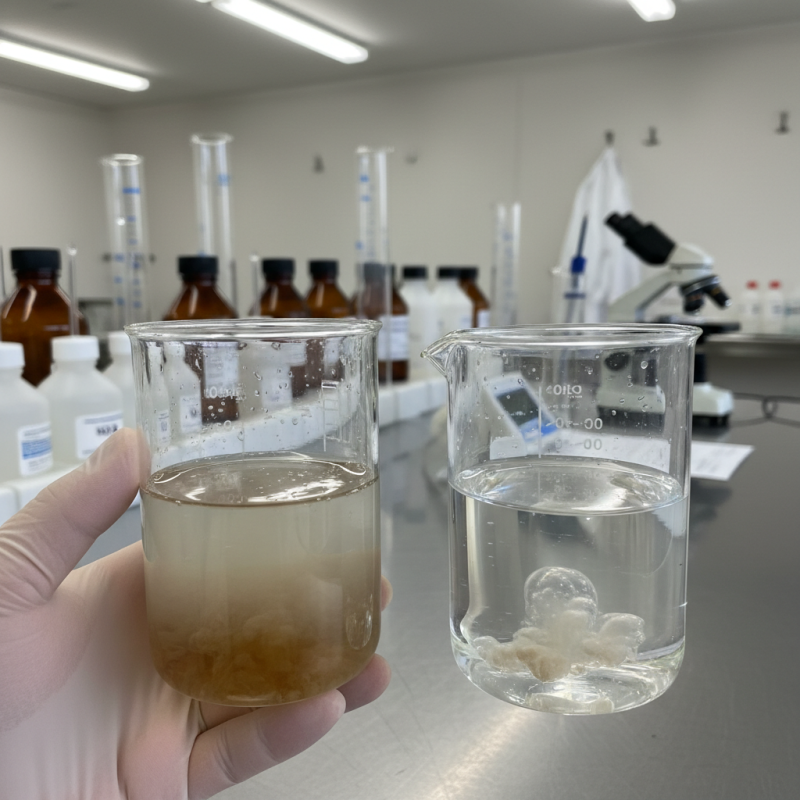
Selecting the right wastewater flocculant can significantly affect treatment efficacy. One common practice is to conduct jar tests. This helps determine the optimal dosage. Using this method, operators can see how different flocculants perform in specific conditions. It's critical to mimic the actual wastewater characteristics closely. Small variations can lead to different results.
Monitoring pH levels is crucial during flocculant application. Adjustments might be needed based on the wastewater's composition. A flocculant that works well in one scenario might fail in another. Operators should also keep track of floc settling times. This data provides insight into the flocculant's effectiveness. However, achieving perfect floc formation takes time and experience.
Implementing flocculants requires regular training for staff. Not everyone will grasp the nuances immediately. Mistakes can happen, leading to suboptimal results. Teams must adapt to ongoing changes in wastewater quality. Reflection on past applications can lead to improved strategies. Continuous evaluation is essential in optimizing flocculant use.
2026 Wastewater Flocculant Performance Comparison
This chart displays the performance of various wastewater flocculants in terms of their effectiveness in removing suspended solids (SS) and chemical oxygen demand (COD) during treatment processes.