Why Choose Solvent Dye Powder for Your Coloration Needs?
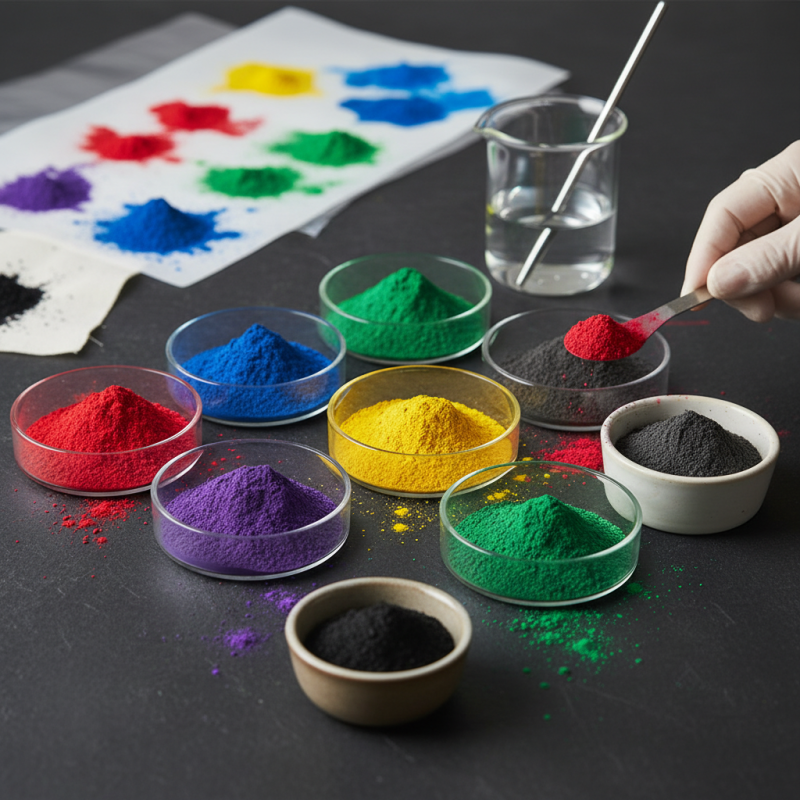
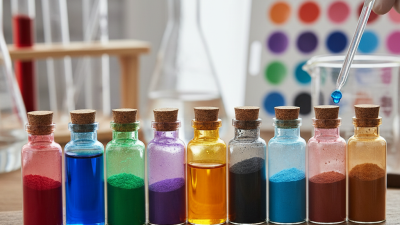
When it comes to achieving vibrant colors, solvent dye powder stands out as a top choice. This versatile coloring agent is widely used across various applications, from textiles to plastics. It offers unmatched advantages, such as intense coloration and excellent solubility.
Solvent dye powder can produce bold hues that grab attention. It is particularly effective on non-aqueous surfaces, which means it works well in diverse environments. When applied, the colors are rich and can differ based on concentration and application method.
However, working with solvent dye powder comes with challenges. Achieving the perfect shade may require testing and adjustments. Users must be cautious about safety and proper handling, as the dyes can be potent. Some may find the process intricate. Yet, this journey can lead to stunning results that make the effort worthwhile.
Benefits of Solvent Dye Powder Compared to Other Dyes
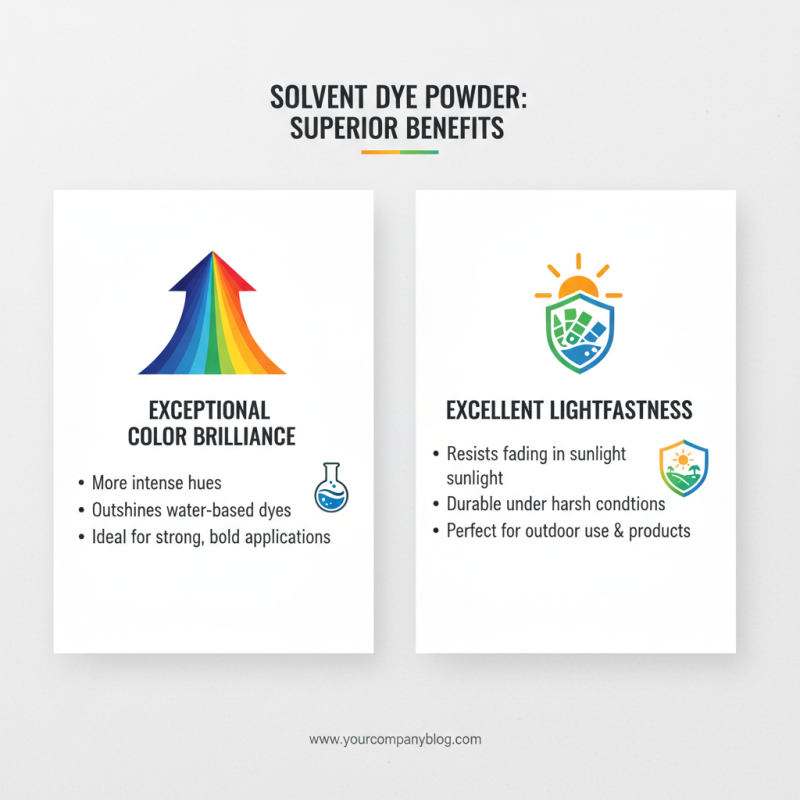
Solvent dye powder offers unique advantages over other types of dyes. One key benefit is its exceptional color brilliance. The colors are often more vibrant than those achieved with water-based options. This brilliance makes solvent dyes ideal for applications that require strong, vivid hues. They also provide excellent lightfastness, meaning they hold their color well under sunlight. This is crucial for outdoor items or products exposed to harsh conditions.
Another advantage is versatility. Solvent dyes can be used on various materials, including textiles, plastics, and wood. They penetrate surfaces deeply, resulting in long-lasting coloration. Unlike some water-based dyes, solvent powders work well with oily and greasy substances. This makes them suitable for a broader range of industrial applications.
Tips: Ensure proper safety measures when working with solvent dye powders. Use gloves and masks to avoid direct contact. Test small samples first to see how the dye interacts with your material. Finally, consider experimenting with color mixtures to create custom shades. This can lead to unique results that elevate your projects.
Understanding the Composition and Function of Solvent Dyes
Solvent dyes are distinct due to their unique composition. They are made from various organic compounds, often soluble in organic solvents. This solubility allows for vibrant colors that are easy to incorporate into different materials. The molecular structure of these dyes enhances their lightfastness, making them ideal for applications where color stability is critical.
When using solvent dyes, understanding their function aids in making informed choices. These dyes have excellent penetration properties, ensuring deep coloration. They bond well with surfaces like plastics and textiles, which often need durable finishes. However, not all solvent dyes perform equally. Some may fade over time or react unexpectedly with certain substrates. Testing is vital to avoid disappointing results.
Selecting the right solvent dye requires careful consideration. The application method significantly impacts the final appearance. For instance, spray application versus immersion can yield different outcomes. Attention to detail during the mixing process is essential. Inconsistencies can lead to uneven coloration, which is frustrating for many users. Learning from these challenges can lead to more successful projects.
Applications of Solvent Dye Powder in Various Industries
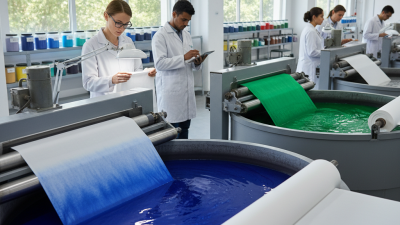
Solvent dye powders have a wide range of applications across various industries. In the textile industry, they are invaluable for adding vibrant colors to synthetic fabrics. The dye's ability to penetrate fibers ensures deep, lasting colors. Manufacturers appreciate how these dyes adhere well during the fabric production process. Yet, achieving consistency in color can be a challenge. It often requires careful formulation and quality control.
In the automotive sector, solvent dye powders play a critical role in coatings and finishes. They provide the desired hues for dashboards, seats, and more. The durability of the color is essential as these parts are exposed to sunlight and wear. However, it’s crucial to balance aesthetics with functionality. Sometimes, the application process can lead to uneven coloring, which needs to be monitored closely.
Plastics also benefit from the use of solvent dye powders. They help in creating stunning product designs and packaging. The flexibility in shade customization is a significant advantage. However, the long-term effects on the environment are a concern that manufacturers must consider. Striking a balance between innovation and sustainability poses ongoing challenges. This complex scenario prompts industries to reflect deeply on their choices.
Why Choose Solvent Dye Powder for Your Coloration Needs? - Applications of Solvent Dye Powder in Various Industries
| Industry |
Common Applications |
Benefits of Solvent Dye Powder |
| Textile |
Dyeing fabrics, creating vivid color patterns |
High colorfastness, vibrant colors, compatibility with various fibers |
| Plastic |
Coloring plastic products, films, and other materials |
Excellent dispersion, thermal stability, strong color intensity |
| Coatings |
Paints, inks, and surface finishes |
Long-lasting color, enhanced durability, and UV resistance |
| Cosmetics |
Coloring formulations for makeup products |
Vibrant hues, stability in formulations, skin compatibility |
| Construction |
Tints for building materials and decorative surfaces |
Excellent lightfastness, weather resistance, and aesthetic appeal |
Factors to Consider When Choosing Solvent Dye Powder
When choosing solvent dye powder, several factors come into play. The application method is crucial. Some dyes work better with specific techniques. Consider whether you're spray painting, dipping, or using other methods. Each approach can influence the final result. The dye's solubility is another important aspect. A poorly soluble dye can lead to uneven coloration.
Colorfastness is another factor worth pondering. Some dyes may fade quickly when exposed to light or wash cycles. This could be disappointing, especially for long-term projects. Ensure you understand how the dye will perform under different conditions. Testing a small sample can provide insight into its durability.
Finally, think about safety and environmental impact. Some dye powders contain harmful substances. Using these can pose risks to health and the environment. Always read safety data sheets carefully. It’s essential to balance vibrant colors with responsible choices. Consider eco-friendly options when possible, as they often provide satisfactory results with less impact. In the end, choosing the right solvent dye powder involves careful consideration of these factors.
Solvent Dye Powder Selection Factors
This bar chart illustrates the importance of various factors to consider when selecting solvent dye powder for coloration needs. Key factors include color fastness, solubility, light stability, cost effectiveness, and toxicity level, each rated on a scale from 1 to 10.
Safety and Environmental Considerations of Solvent Dyes
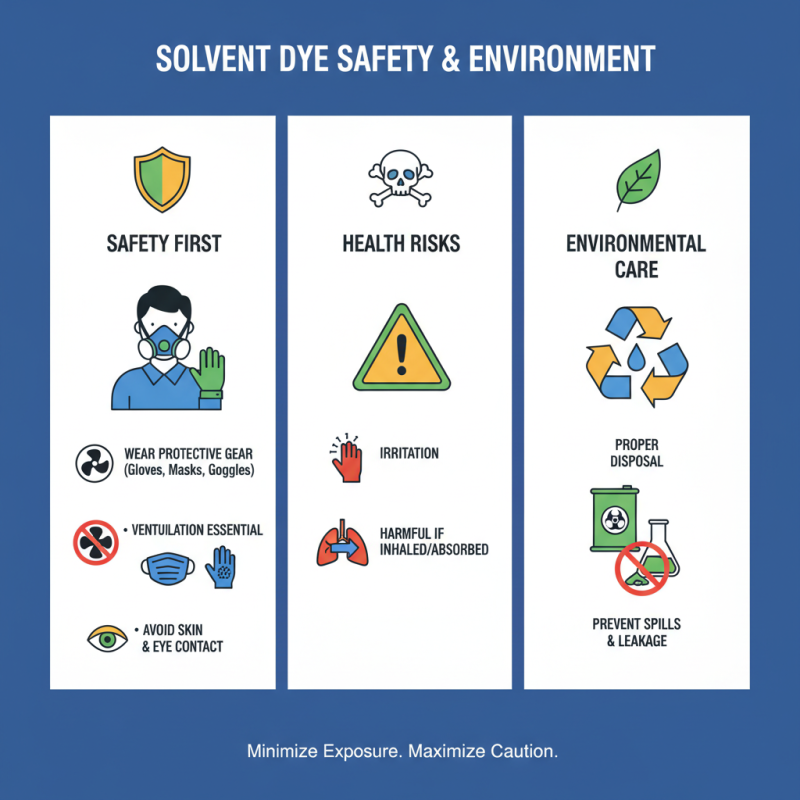
When considering solvent dyes, safety is paramount. These compounds can pose health risks if not handled correctly. Proper ventilation is essential during usage. Always wear protective gear, such as gloves and masks, to minimize exposure. Even small amounts can cause irritation to the skin or eyes, highlighting the importance of caution.
Environmental concerns also arise with solvent dyes. They can potentially contaminate water sources if not disposed of properly. Accidental spills can have severe consequences. Reducing waste is crucial in maintaining a safe environment. Recycling unused dyes can lessen this impact, but not all processes are foolproof.
Balancing color vibrancy and safety is a challenge. Solvent dyes provide intense colors, which is often desired. However, the potential hazards can't be ignored. Educating users about these risks is vital. Transparent practices in handling and disposal can foster a safer approach to dyeing needs. Each decision made in this process requires thoughtful consideration.