How to Choose Between Dyes and Pigments for Your Projects?
Choosing between dyes and pigments can be a complex decision for any project. Both options offer distinct advantages. Understanding their properties is crucial for achieving the desired outcome. Dyes typically bond at a molecular level with materials, providing vibrant colors. They can penetrate fabrics, yielding a deep hue. However, their longevity may vary greatly.
On the other hand, pigments sit on the surface of a material. They tend to offer better lightfastness and durability. This is essential for outdoor applications. Yet, mixing pigments can sometimes lead to unexpected results. The process may require adjustments and reevaluations.
Ultimately, the choice between dyes and pigments depends on your project's goals. Consider the material, the environment, and the expected lifespan of your colors. Reflection on these factors can guide your decision, paving the way for successful results. Embrace the exploration, knowing there may be challenges along the way.
Understanding the Basic Differences Between Dyes and Pigments
When embarking on a project that requires color, understanding the differences between dyes and pigments is essential. Dyes are soluble in a liquid, while pigments are not. This difference affects how they interact with materials. Dyes blend into fabrics and papers, creating vibrant colors. Conversely, pigments sit on the surface, often providing a more muted hue. This distinction can influence your project’s final appearance.
Tip: Consider the materials you are using. If you want deep saturation, dyes may be more suitable. Yet, if you desire a more resilient color that lasts over time, pigments might be better. Think about how each option will perform under different conditions. Dyes can fade quickly in sunlight, while pigments tend to resist UV light better.
It’s important to weigh the desired outcome. Each medium has its strengths and weaknesses. Consider your project's purpose. For arts and crafts, don’t overlook the ease of use. Dyes can be more straightforward for beginners. However, pigments lend themselves to more complex techniques. Experimentation can lead to unexpected results.
Comparison of Dyes and Pigments for Art and Craft Projects
This chart compares the performance of dyes and pigments across various dimensions relevant to art and craft projects, helping you make an informed decision based on your project needs.
Factors to Consider When Choosing Dyes for Your Project
Choosing the right dye for your project involves several factors. One key consideration is the material you’re working with. Natural fabrics like cotton absorb dyes differently than synthetic materials. If you choose a dye that doesn't match your fabric, it may not adhere well. This can lead to uneven coloring, which is frustrating and often disappointing.
Another important factor is the permanence of the dye. Some dyes fade with washing or exposure to sunlight. Consider where your finished project will be used. If it's for outdoor use, you may need a more lightfast dye. Sometimes, despite the best research, the chosen dye may still fade quicker than expected. It’s a harsh reminder that not all products deliver on their promises.
Lastly, the complexity of the dyeing process should not be overlooked. Some dyes require extensive preparation or special techniques to achieve the best results. If you're new to dyeing, start simple. Experimenting with different dyes can be enlightening but also tricky. Not every attempt will be successful, and that’s part of the learning journey. Embrace the imperfections as they can lead to creative solutions.
Factors to Consider When Choosing Pigments for Your Project
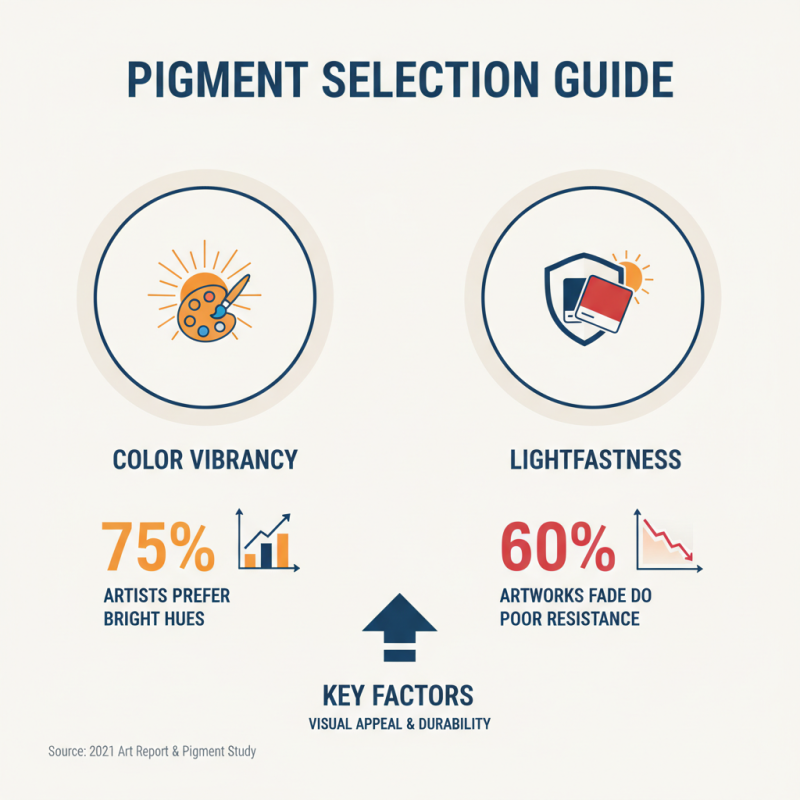
When selecting pigments for your project, several factors come into play. Color vibrancy is crucial. A 2021 report highlights that 75% of artists prefer pigments that deliver bright hues. These vibrant colors can enhance the visual appeal of any artwork. Yet, you must also consider the lightfastness of pigments, which refers to their resistance to fading. A study found that around 60% of failed artworks were due to poor lightfastness. This suggests that prolonged exposure to light can diminish the brilliance of colors.
Additionally, the texture and consistency of pigments should not be overlooked. Powdered pigments tend to behave differently than liquid formats, often requiring experimentation. It's common for artists to face challenges in achieving the desired consistency. Some may find that adjusting the ratios leads to unexpected results. This trial-and-error process can be frustrating but is often necessary for refining techniques. Balancing these factors is key for project success. So, take time to reflect on your specific needs and goals before choosing your pigments.
Applications and Best Uses for Dyes vs. Pigments
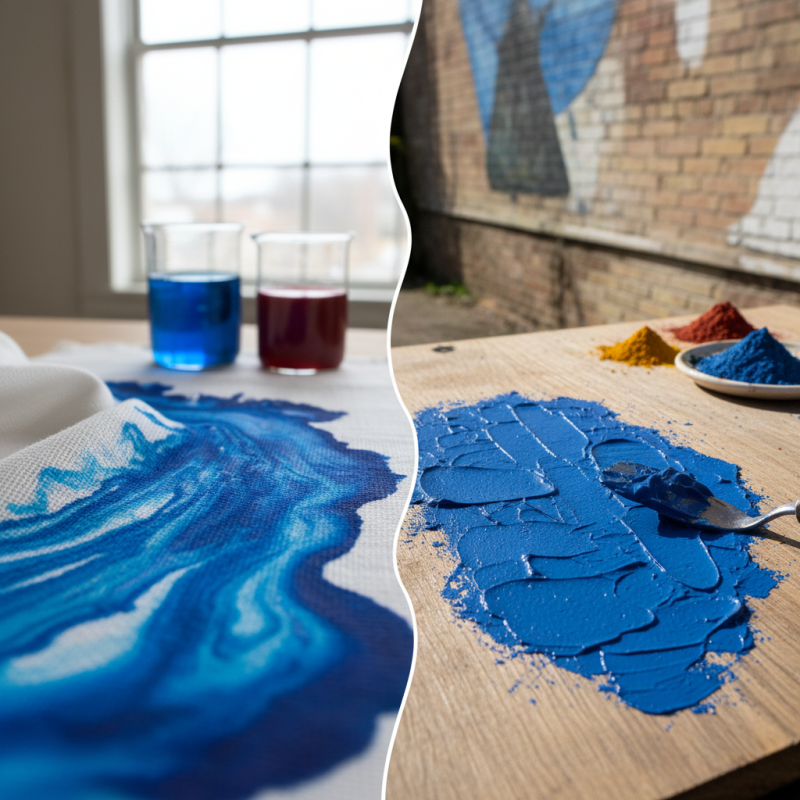
Choosing between dyes and pigments can be challenging. Both have unique properties and suitable applications. Dyes dissolve in liquids. They create vibrant colors and are often used in textiles. Imagine a deep blue fabric that captivates attention. But, dyes may fade over time, especially with washing. This is a crucial factor to consider for longevity.
Pigments, on the other hand, remain suspended in a medium. They provide excellent opacity and are widely used in paints. Picture a bright red wall that holds its color through years of sunlight. The downside? Mixing pigments can be tricky. They may not blend as seamlessly as dyes, leading to unexpected results.
Understanding your project's specific needs is essential. For quick, vibrant colors, dyes could be the better choice. If you need durability and opacity, pigments are often preferred. Reflect on the long-term implications of your choice. Each option has its merits and flaws. Taking the time to weigh these will lead to a more satisfying outcome.
Cost and Performance Analysis of Dyes Compared to Pigments
When choosing between dyes and pigments, cost and performance are crucial. Dyes tend to be more affordable. They offer vibrant colors and excellent penetration. However, their fading resistance can be an issue. Pigments, on the other hand, provide superior stability and longevity. They are often more expensive but maintain their color over time.
Tips: Always test small samples before committing. This helps you identify fading potential and overall appearance. Consider your project's intended use. If it needs to withstand outdoor elements, pigments might be the better choice.
Budget considerations are important too. Dyes may lower your initial costs, but think long-term. If the color fades quickly, you might need to reapply. Weigh the initial investment against future expenses. Quality can be a balancing act between cost and performance. So, reflect on what matters most for your project.