Why Choose Stand Up Pouch for Your Packaging Needs?
In the competitive world of packaging, the Stand Up Pouch has emerged as a favored choice among brands. Renowned packaging expert, Dr. Emily Carter, emphasizes this trend: “Stand Up Pouches offer unparalleled versatility and shelf appeal.” This format not only enhances product visibility but also meets consumer demand for convenience. Stand Up Pouches are lightweight and easy to store, making them a practical solution for manufacturers.
Many brands are discovering the sustainability benefits associated with Stand Up Pouches. They often use less material than traditional packaging, reducing waste. However, some may overlook the importance of quality in material selection. Choosing the right material is crucial to maintain product integrity. It’s essential to find a balance between cost and performance, as not all pouches are created equal.
While the advantages are clear, businesses must also consider potential drawbacks. Some customers might prefer rigid packaging for its perceived premium feel. It’s vital for brands to assess their target market preferences. Evaluating all aspects of Stand Up Pouch usage can lead to better decision-making for packaging needs.
Advantages of Stand Up Pouches in Packaging Solutions
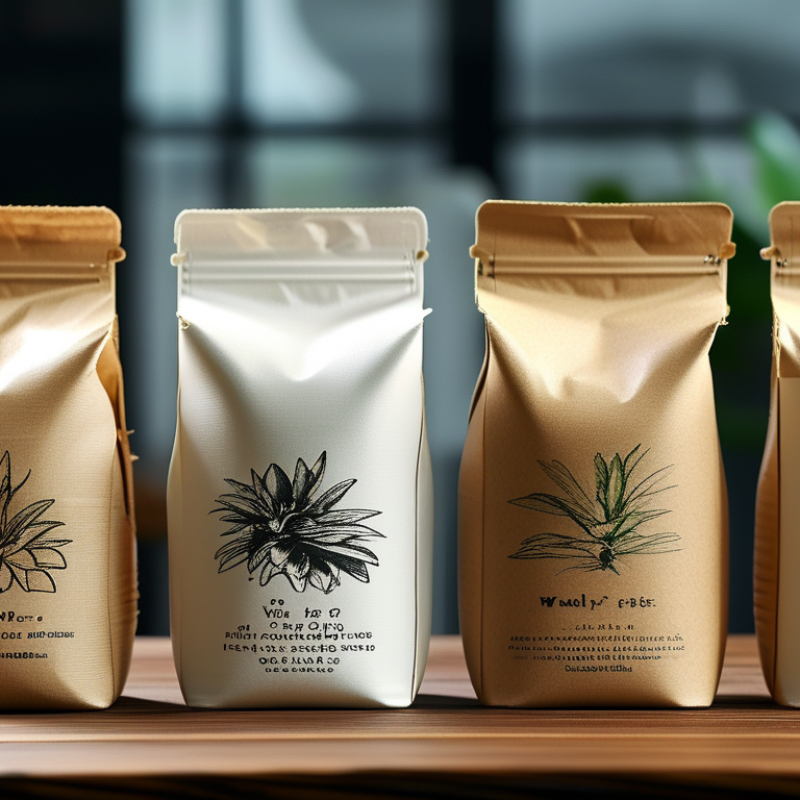
Stand up pouches have gained popularity in the packaging industry due to their unique advantages. One significant benefit is their ability to stand upright, maximizing shelf space efficiently. This design allows consumers to see the product clearly, enhancing visibility and attractiveness.
Another advantage is the flexibility these pouches offer. They can be customized in various sizes and colors, making them suitable for diverse products. This adaptability can enhance brand identity and appeal to specific markets. Consumers often appreciate their convenience, especially when opening and resealing.
Tips: Consider using transparent windows in your pouches. This lets customers see the product inside. Additionally, ensure that the pouches are made from durable materials to protect the contents from moisture and damage. Regularly reassess the packaging design for improvements. Small changes can make a big impact.
Versatility of Materials Used in Stand Up Pouch Manufacturing
Stand up pouches are gaining traction due to their adaptability in materials. The manufacturing process allows for the use of diverse materials tailored to specific needs. Common choices include polyethylene, polyester, and foil laminates. Each material brings unique properties, such as moisture resistance and barrier quality. According to a recent industry report, the flexible packaging market is expected to reach $300 billion by 2024, driven by innovations like these.
Recyclability is another aspect influencing material choices. Many manufacturers are now opting for sustainable materials. Eco-friendly options appeal to environmentally conscious consumers. Yet, the challenge remains in balancing cost and performance. For example, while bioplastics are becoming popular, they might not always offer the same durability as traditional plastics. This inconsistency raises questions about long-term reliability.
Furthermore, the visual appeal of stand up pouches is significant. High-resolution printing on various materials enhances branding efforts. However, not all materials are equally effective in maintaining print integrity over time. Some might fade or become less vibrant, affecting the overall consumer experience. Choosing the right material involves careful consideration, weighing aesthetics against functionality and sustainability.
Impact of Stand Up Pouches on Shelf Appeal and Branding
Stand up pouches are changing how products are presented on shelves. Their unique structure allows them to stand upright, drawing attention. This visibility is significant for brands looking to make a mark. When customers walk by, a well-designed pouch catches their eye. Bright colors and appealing graphics thrive in this format.
Branding through stand up pouches can also enhance product perception. Consumers often associate pouches with freshness and quality. The materials used help preserve the contents inside, creating trust. Packaging impacts consumer choices, sometimes more than the product itself. Yet, not every design resonates with all audiences. An ineffective design might fail to communicate the brand's story.
Choosing the right pouch can be challenging. Aesthetics are essential, but functionality shouldn't be overlooked. The balance between beauty and practicality will yield the best results. Every brand must reflect on how its packaging aligns with its message. When done right, stand up pouches can elevate both shelf appeal and brand identity.
Why Choose Stand Up Pouch for Your Packaging Needs? - Impact of Stand Up Pouches on Shelf Appeal and Branding
| Feature | Benefits | Shelf Appeal | Branding Impact |
| Durability | Resistant to punctures and tears | Enhances product integrity | Builds trust with consumers |
| Design Flexibility | Customizable shapes and sizes | Attractive visual presentation | Enhances brand recognition |
| Sustainability | Often made from recyclable materials | Appeals to eco-conscious consumers | Improves brand image |
| Stand-Up Capability | Easy to display on shelves | Maximizes shelf space | Increases visibility and sales |
| Sealing Options | Various sealing methods available | Ensures product freshness | Reinforces quality perception |
Environmental Benefits of Choosing Stand Up Pouches
The environmental benefits of choosing stand-up pouches are significant. These pouches use less material than traditional packaging. They often require fewer resources during production. This reduction leads to lower carbon footprints overall. Many manufacturers are now focusing on recyclable materials for these pouches.
Another advantage is their lightweight nature. This feature facilitates easier transportation, reducing fuel consumption. Fewer trucks are needed for shipping, which also minimizes greenhouse gas emissions. Additionally, stand-up pouches often have a smaller space requirement on retail shelves. This compact design allows for better storage and lowers logistical costs.
While stand-up pouches have many pros, they still pose challenges. Not all types are easily recyclable. Some consumers may misunderstand their environmental impact. Education is needed to ensure proper disposal and recycling practices. Balancing functionality and sustainability continues to be a crucial dialogue in packaging innovation.
Comparative Cost Analysis of Stand Up Pouches vs. Traditional Packaging
The shift towards stand-up pouches reflects a changing landscape in packaging costs. Traditional packaging options, such as rigid containers, often incur higher material and transportation costs. Reports indicate that stand-up pouches can reduce packaging costs by up to 30%. This reduction is due to the lightweight nature of the pouches and lower storage space requirements.
In a comparative cost analysis, the potential for savings is significant. For instance, studies suggest that stand-up pouches use up to 40% less packaging material compared to traditional choices. This not only lowers production costs but also reduces waste, aligning with sustainability goals. However, the initial investment in flexible packaging equipment may pose a challenge for some manufacturers.
Despite the advantages, it's crucial to assess durability and shelf-life. Not all stand-up pouches perform equally. Some materials may not provide optimal barrier properties, affecting product freshness. Careful consideration of these factors is essential before making a packaging transition. Ultimately, evaluating the long-term cost benefits versus immediate expenses is vital for informed decision-making.
Cost Analysis: Stand Up Pouches vs. Traditional Packaging

