How to Choose the Best Direct Dyes for Your Products?
Choosing the right direct dyes is crucial for achieving vibrant and lasting colors in textiles. The global market for direct dyes is projected to reach $5.6 billion by 2026, according to a recent report from Allied Market Research. This reflects a growing recognition of the importance of selecting high-quality dyes that meet both aesthetic and sustainability demands.
Expert Sally Thompson, a leading figure in the dye industry, emphasizes, "The right direct dyes can transform products, but selection must consider environmental impact and fabric compatibility." Her insights point to the need for careful evaluation in dye choices. While many opt for the most colorful options, durability and safety should also be priorities.
The dye selection process can be complex. Factors like color fastness and application technique play significant roles. Each product type may require different approaches. Failing to understand these nuances can lead to less-than-optimal results. Engaging with industry specialists can aid in navigating this landscape. Therefore, a thoughtful approach to direct dyes can enhance product quality and brand reputation.
What Are Direct Dyes and How Do They Work?
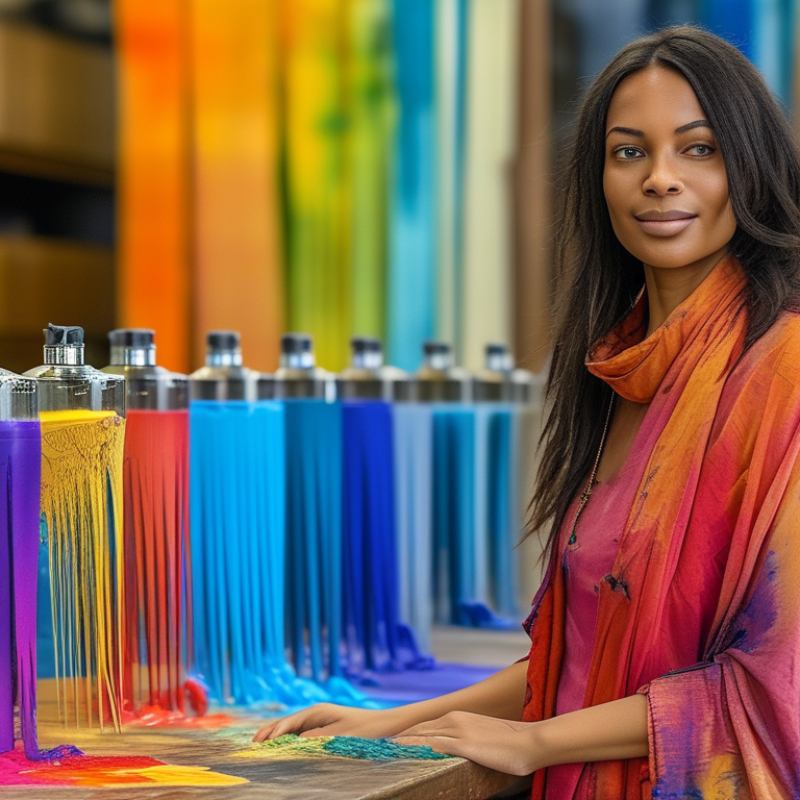
Direct dyes are a class of coloring agents widely used in textiles. They are known for their ability to bond directly with cellulose fibers like cotton and rayon. These dyes are water-soluble and can be applied through various methods, making them versatile in applications. According to the latest industry data, direct dyes account for around 25% of the global dye market, illustrating their significance.
These dyes work through a process called adsorption. When fabrics are immersed in dye solutions, the dye molecules penetrate the fibers and bond through weak forces. This interaction allows for vibrant colors and satisfactory wash fastness. However, this process is sometimes unpredictable. Factors like dye concentration, temperature, and time can affect color outcomes. Studies indicate that up to 20% of dye may be lost during this process due to uneven absorption. This inconsistency can lead manufacturers to rethink their dyeing strategies.
While direct dyes offer various advantages, including ease of application and a wide range of colors, limitations exist. Some direct dyes may have lower light fastness compared to other dye types. This can result in fading over time. Additionally, achieving consistent color results across different batches can pose challenges. These considerations necessitate a thorough understanding of dye properties and the need for rigorous testing before wide-scale application.
Factors to Consider When Selecting Direct Dyes
When selecting direct dyes, consider the type of material you are working with. Different fabrics interact with dyes in unique ways. Natural fibers like cotton absorb colors differently than synthetic ones. This difference affects vibrancy and durability. Testing a small sample can yield insights into how the color will appear on the final product.
Another critical factor is the desired permanence of the dye. Some dyes wash out easily, while others resist fading over time. Think about how the end product will be used. If it's frequently exposed to water or sunlight, opt for dyes known for their fastness properties. In contrast, if the product is more decorative, you might prioritize color vibrancy over durability.
Dye safety is also paramount. Many dyes can cause irritation or harmful reactions if handled improperly. Research safety data sheets and best practices for handling. It’s essential to ensure the dye is suitable for your intended use. Balancing these factors helps in selecting the most appropriate direct dyes for your products.
Direct Dyes Selection Factors
Types of Direct Dyes and Their Applications
Choosing the right direct dyes for products involves understanding their diverse types and applications. Direct dyes are primarily used in textiles and have excellent application in cotton and cellulose fibers. According to a recent industry report, the global demand for direct dyes is expected to grow by 4% annually, reflecting their increasing acceptance.
There are several categories of direct dyes. For example, reactive direct dyes bond with fibers, offering vibrant shades and durability. They are ideal for applications where colorfastness is crucial. On the other hand, the acid-based direct dyes are preferred for protein fibers like silk and wool. These provide rich colors but may require careful handling due to their reactivity with moisture.
Environmental concerns have prompted the industry to explore eco-friendly dye options. Sustainable direct dyes reduce the environmental impact of textile production. However, their performance can sometimes be variable, and experimentation is key. Relying strictly on traditional options may not fully address the evolving consumer demands for sustainability and performance. Hence, recognizing their limitations is essential when choosing the best dyes for your products.
How to Choose the Best Direct Dyes for Your Products? - Types of Direct Dyes and Their Applications
| Dye Type |
Color Range |
Application |
Fiber Compatibility |
Fastness Properties |
| Basic Direct Dyes |
Bright and vibrant |
Cotton, paper |
Cotton, rayon |
Good to moderate |
| Reactive Dyes |
Wide spectrum of colors |
Textiles, cottons |
Cotton, wool, silk |
Excellent |
| Acid Dyes |
Brilliant and strong |
Wool, silk, nylon |
Wool, silk |
Very good |
| Sulfur Dyes |
Dark colors, especially blacks and browns |
Denim, cotton |
Cotton, polyester |
Good |
| Natural Dyes |
Earthy tones |
Eco-friendly textiles |
Cotton, wool |
Variable |
Evaluating Color Fastness and Quality of Direct Dyes
When selecting direct dyes, evaluating their color fastness is crucial. Color fastness refers to how well a dye resists fading from exposure to washing, light, and abrasion. According to the American Association of Textile Chemists and Colorists (AATCC), 70% of consumers expect textiles to maintain vibrant colors even after multiple washes. This expectation places pressure on manufacturers to choose high-quality dyes.
One way to assess color fastness is through standardized testing methods. For example, the AATCC test method for color fastness to washing involves exposing dyed fabric to specific washing conditions. Reports indicate that fabrics dyed with direct dyes often show varied results. Some may retain their color integrity, while others may fade significantly. The inconsistency in performance highlights the importance of sourcing dyes from reputable suppliers who adhere to stringent quality controls.
Additionally, one must consider how dye choice impacts the overall product quality. Direct dyes can provide excellent brightness but may not always meet durability requirements. A study found that 30% of direct dyes did not perform well in sunlight exposure tests. This fact raises concerns for manufacturers. Choosing a dye with a balance of richness and fastness is essential, yet finding this balance can be challenging. Exploring industry case studies may provide insights into successful dye selections and realistic expectations.
Tips for Testing and Implementing Direct Dyes in Production
When testing direct dyes for production, start small. Create sample batches with various dye concentrations. Monitor how the colors react with your materials. Keep detailed records of each test. This information is invaluable for future reference.
Consider environmental factors as well. Humidity and temperature can affect dye uptake. Test in consistent conditions to ensure reliability. Gather feedback from your production team. Their insights can highlight issues you might overlook. Sometimes, the results won’t meet your expectations. This is an opportunity to adjust your approach.
After initial testing, implement a trial phase. Use the dyes in limited production runs. Observe how the colors hold up over time. Look for fading or discoloration. This testing phase reveals long-term performance. Don’t hesitate to reassess your choices. Continuous improvement is essential. As trends change, so should your dye selections.