10 Essential Tips for Safely Using Chemical Dye in Your Projects?
Using chemical dye in projects requires caution and expertise. Experts like Dr. Emily Chen have emphasized, "Understanding safety protocols is crucial when using chemical dyes." This statement serves as a reminder that while chemical dyes can enhance our work, improper handling can lead to serious consequences.
Many individuals overlook the potential hazards associated with chemical dyes. Accidents can happen if users don’t take time to learn best practices. For instance, wearing appropriate protective gear is not just a suggestion, but a requirement. Moreover, ensuring proper ventilation can significantly reduce exposure to harmful fumes. It’s vital to be aware that not all dyes behave the same way.
The intention of this discussion is not to discourage creativity but to inspire caution. Chemical dye can transform projects, yet it demands respect and careful handling. We need to reflect on our practices. Are we applying the necessary knowledge to ensure safe usage? In an era where DIY projects are on the rise, let’s prioritize safety.
Understanding the Types of Chemical Dyes and Their Uses
Chemical dyes play a vital role in various projects, from textiles to art. Understanding their types is crucial for safe and effective use. Natural, synthetic, acid, and reactive dyes are among the most common categories. Each has unique properties and applications. For instance, natural dyes are often derived from plants and insects, posing fewer health risks. In contrast, synthetic dyes can release harmful chemicals. According to the American Journal of Industrial Medicine, approximately 1 in 5 workers in dye manufacturing face exposure-related health issues.
The choice of dye also depends on the material being dyed. For natural fibers, reactive dyes create strong bonds, enhancing color fastness. Acid dyes are ideal for protein fibers, while disperse dyes work best with polyester. A report by the Color Association of the United States indicates that around 70% of textile manufacturers prefer reactive dyes for their vibrant results. However, these dyes can cause environmental concerns if not disposed of properly, leading to water pollution.
Project safety hinges on using the right dye for the job. Improper handling can lead to skin irritation and respiratory issues. Personal protective equipment is essential during use. Recent studies emphasize the importance of adhering to safety protocols. DIY projects may seem straightforward, but being misinformed about dye types can lead to unintended consequences. Always prioritize safety and proper practices in your projects.
Color Usage in Chemical Dyes for Various Projects
Essential Safety Gear for Handling Chemical Dyes
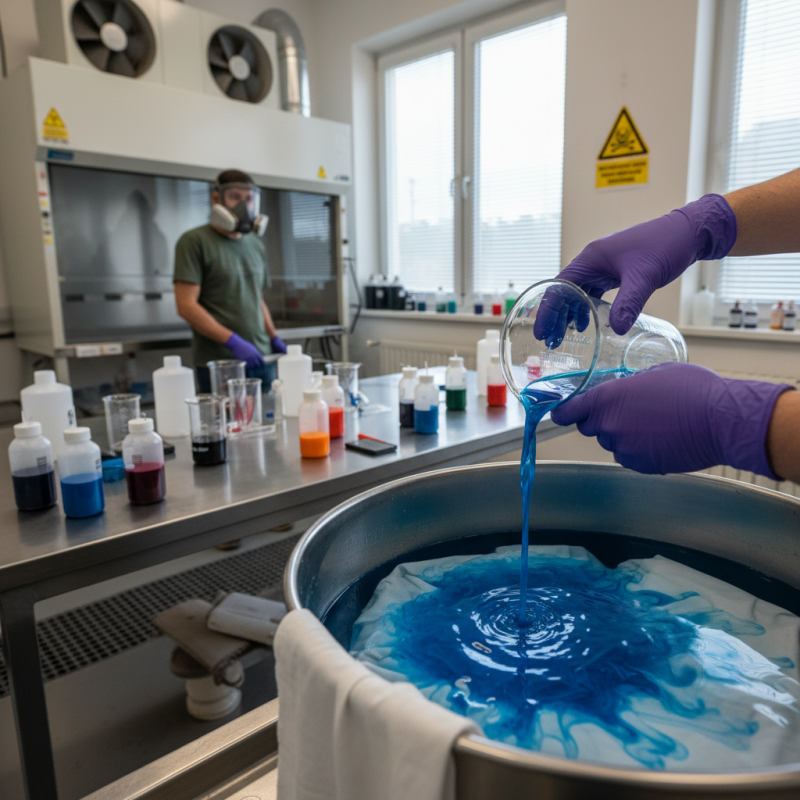
When working with chemical dyes, using the right safety gear is paramount. Protective gloves should be your first line of defense. They shield your skin from contact with harmful substances. Choose gloves that are chemical-resistant and fit well to maintain dexterity. Goggles are essential too. They protect your eyes from splashes and fumes that can cause irritation or serious damage.
Remember to wear a mask or respirator when mixing dyes. These chemicals can release harmful vapors. A well-fitted mask will help you breathe easily while keeping you safe. Consider wearing a lab coat or apron to protect your clothing and skin. This extra layer acts as a barrier against spills.
Don’t forget about ventilation. Always work in a well-ventilated area to disperse toxic fumes. An open window or a fan can make a difference. Reflect on these practices continually. They might seem excessive at first, but they are crucial for your health. Taking shortcuts could lead to accidents. Always prioritize safety over convenience.
10 Essential Tips for Safely Using Chemical Dye in Your Projects
| Tip |
Description |
Essential Safety Gear |
| 1. Read Labels |
Always read the labels to understand the risks associated with chemical dyes. |
Safety goggles, gloves |
| 2. Work in a Ventilated Area |
Ensure proper ventilation to avoid inhaling harmful vapors. |
N95 mask |
| 3. Wear Protective Clothing |
Dress in long sleeves and pants to protect skin from spills. |
Apron, long sleeves |
| 4. Use Appropriate Containers |
Store and mix dyes in containers designed for chemicals. |
Chemical-resistant container |
| 5. Avoid Skin Contact |
Minimize skin exposure to dyes by using tools instead of hands. |
Gloves |
| 6. Keep Away from Food |
Do not work with dyes near food to prevent contamination. |
Designated workspace |
| 7. Dispose of Waste Properly |
Follow local regulations for disposal to avoid environmental hazards. |
Waste disposal bags |
| 8. Use Eye Protection |
Prevent eye contact by wearing safety goggles or a face shield. |
Safety goggles |
| 9. Keep First Aid Kit Handy |
Prepare for any accidents by having a first aid kit nearby. |
First aid kit |
| 10. Educate Yourself |
Stay informed about the hazards of chemical dyes and safety practices. |
Training materials |
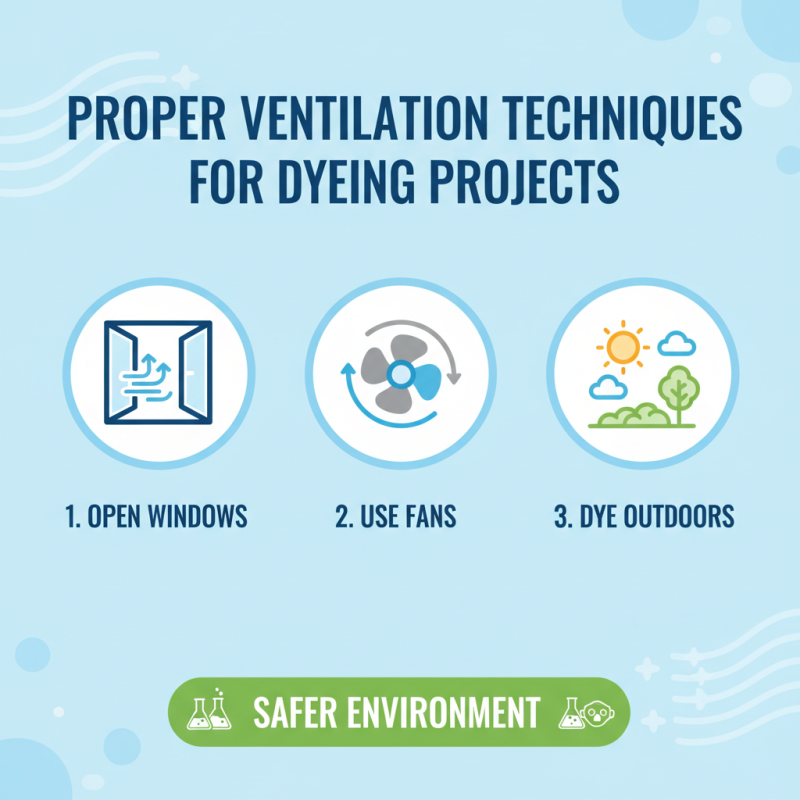
Proper Ventilation Techniques for Dyeing Projects
When working on dyeing projects, proper ventilation is crucial. Ventilation helps manage fumes and ensures a safer environment. Open windows or use fans to create airflow. If outside conditions permit, outdoor dyeing is preferable. The fresh air can dilute any harmful chemicals released during the process.
Consider using a respirator mask during more intense dyeing sessions. This can protect your lungs from inhaling toxic particles. Keep your workspace clean, as dye spills can lead to hazardous fumes. Regular breaks are important too. Stepping outside for a few minutes can help clear your head.
Every workspace is different. What works for one may not work for another. Experimenting with different setups can yield better results. However, it’s essential to be aware of any changes in air quality. Trust your instincts—if you feel dizzy or unwell, it’s time to reassess. An effective ventilation strategy can prevent accidents and enhance your creativity.
Steps for Preparing and Mixing Chemical Dyes Safely
When preparing and mixing chemical dyes, safety should be your top priority. Start by choosing a well-ventilated area. This can be a garage or an outdoor space. Ensure you have all your materials at hand. Wear safety goggles and gloves to protect your skin and eyes. The right protection is essential.
Before mixing, read the instructions thoroughly. They often contain important safety warnings. Measure the dye and diluent accurately. This prevents excessive fumes and ensures even color. Don’t rush this step; precision matters. If the mixture doesn’t look right, don’t hesitate to start over.
Always store chemicals in labeled containers. This prevents accidental misuse. Dispose of any leftover dye responsibly. Never pour chemicals down the drain unless specified. Mistakes can lead to hazards. Reflect on your process; if something feels off, trust your instincts. Staying aware of your surroundings is crucial for safe use.
Disposing of Chemical Dye Waste Responsibly and Safely
When using chemical dyes, responsible disposal of waste is crucial. Approximately 7.5 million tons of textile dye waste are generated annually worldwide. This waste often contains hazardous substances. Improper disposal can pollute water sources, harm wildlife, and pose health risks to humans.
Utilizing eco-friendly disposal methods is vital. For instance, professional waste treatment facilities can process chemical dyes effectively. Experts recommend contacting local waste management services that comply with environmental regulations. Many communities have designated collection days for hazardous waste. According to a study by the Environmental Protection Agency, safe disposal practices can reduce environmental pollution by up to 35%.
It’s essential to label containers of unused or waste dyes clearly. This minimizes the risk of accidental exposure. Additionally, always follow local regulations regarding chemical waste. A lack of awareness can lead to unintended consequences, emphasizing the need for education about safe practices. There's a continuous challenge in balancing creativity and environmental responsibility around chemical usage in artistic projects.