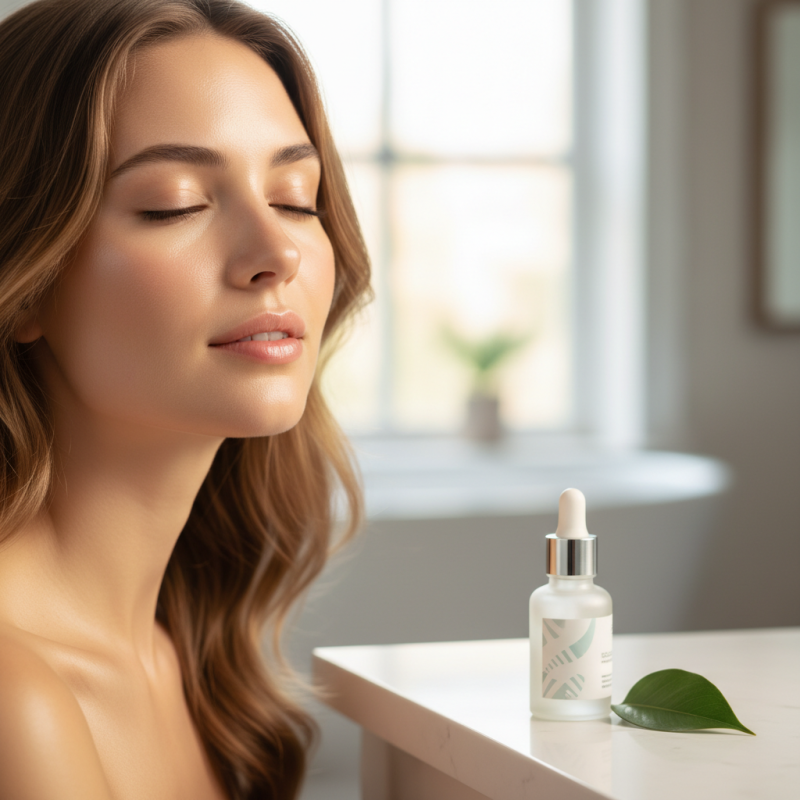
How to Use Glycolic Acid for Glowing Skin?
Glycolic Acid is a powerful ingredient in skincare. It belongs to the alpha hydroxy acid (AHA) family. Its effectiveness has been supported by various studies. For instance, a 2019 report highlighted that 67% of users noticed improved skin texture after consistent use of glycolic acid.
This acid helps exfoliate the skin and promotes cell turnover. Moreover, it's been shown to reduce fine lines and dark spots. In a clinical study, participants reported a significant increase in skin radiance. However, it's important to note that overuse can lead to irritation. Finding the right balance is crucial.
Glycolic Acid can provide significant benefits for glowing skin when used properly. Pay attention to your skin's response. Listen to what your skin tells you, and adjust your routine as needed. Remember, achieving glowing skin is a journey, not a race.
Understanding Glycolic Acid and Its Benefits for Skin
Glycolic acid is a powerful alpha-hydroxy acid derived from sugar cane. It helps exfoliate the skin, promoting cell turnover. This can lead to brighter, smoother skin. When used properly, glycolic acid can diminish fine lines and dark spots. However, caution is essential. Overuse can lead to irritation or redness.
To incorporate glycolic acid into your routine, start slow. Use it once a week. Gradually increase frequency to two or three times as your skin adapts. Always apply it on clean skin. Follow with a good moisturizer. This helps lock in hydration and reduce irritation.
Tips: Always do a patch test prior to full application. Apply sunscreen during the day. Glycolic acid can increase sun sensitivity. Listen to your skin; if it feels irritated, reduce usage. The goal is healthy, glowing skin, not a red, inflamed face. Embrace the journey and don’t rush the results.
Choosing the Right Glycolic Acid Products for Your Skin Type
Choosing the right glycolic acid product is crucial for achieving glowing skin. With a concentration range of 5% to 20%, users should select based on their skin type. A study by the American Academy of Dermatology indicates that lower concentrations suit sensitive skin, while oily types can tolerate higher levels.
For dry skin, a glycolic acid product combined with moisturizing agents can be beneficial. Products labeled as "hydrating" alongside glycolic acid can help maintain moisture levels. The ideal pH should be between 3.5 and 4.5 for optimal effectiveness.
It's essential to patch test any new product. Even with the right formulation, individual reactions can vary. Overuse may lead to irritation, redness, or peeling. Listening to your skin is vital; if irritation occurs, it might be time to adjust frequency or strength. Always consult with a skincare professional if unsure.
How to Incorporate Glycolic Acid into Your Skincare Routine
Incorporating glycolic acid into your skincare routine can bring about a radiant complexion. Start slow. Use a low concentration at first. This acid gently exfoliates the skin, removing dead cells. You might feel a tingling sensation. That’s normal. However, if irritation occurs, reduce usage or pause.
Choose the right time for application. Evening is ideal since skin repairs itself overnight. Cleanse your face thoroughly before applying glycolic acid. Follow up with a moisturizer. This helps soothe any potential dryness. Be mindful that glycolic acid can increase sun sensitivity. Always apply sunscreen during the day.
Don't expect immediate results. It may take weeks to see visible changes. Track your skin's response. Some may experience breakouts as impurities surface. This can be discouraging, but it's part of the process. Patience and consistency are key. Embrace both the successes and challenges for truly glowing skin.
How to Use Glycolic Acid for Glowing Skin?
| Step | Description | Frequency | Preparation |
| 1 | Cleanse your face to remove dirt and makeup. | Daily | Gentle cleanser |
| 2 | Apply glycolic acid toner or serum. | Every other day | Glycolic acid product |
| 3 | Moisturize after the acid has dried. | Daily | Hydrating moisturizer |
| 4 | Use sunscreen every morning to protect your skin. | Daily | Broad-spectrum SPF |
Tips for Maximizing the Results of Glycolic Acid Usage
Glycolic acid is a popular choice for those seeking radiant skin. To maximize its benefits, proper usage is crucial. Research shows that using glycolic acid concentrations of 5-10% can help improve skin texture and tone effectively. Aim for consistent use, ideally 2-3 times a week, depending on your skin's sensitivity.
Start with a patch test. Apply glycolic acid to a small area and monitor any reactions. This step helps prevent irritation. Incorporate it into your routine gradually. Initially, limit your application to once a week to allow your skin to adjust. Many overlook the importance of sun protection. Glycolic acid can make your skin more sensitive to UV rays. Always apply broad-spectrum sunscreen daily for maximum protection.
Consider the pH level of the product. Glycolic acid works best at a pH below 4. A product too alkaline might not provide the desired results. Listen to your skin. If you experience excessive dryness or redness, decrease the frequency. Balancing its use with moisturizing products is essential. Hydration can make a significant difference in achieving that glowing complexion.
Common Mistakes to Avoid When Using Glycolic Acid for Skin Care
When using glycolic acid, many people make common mistakes. One frequent error is overusing the product. Glycolic acid is potent; a little goes a long way. Applying it daily can lead to irritation and dryness. Your skin needs time to adjust. Experiment with frequency, starting with once or twice a week.
Another mistake is not using sunscreen. Glycolic acid exfoliates the top layer of skin, making it more sensitive to UV rays. Inadequate sun protection can cause damage. Always apply sunscreen during the day. This helps maintain your glowing results.
Ignoring patch tests can also be detrimental. Skin reacts differently to products. A patch test can prevent severe reactions. Apply a small amount on a discreet area. Wait and observe for any irritation. This will help you enjoy the benefits without the side effects.
Glycolic Acid Usage for Glowing Skin: Frequency and Effects