How to Identify Key Trends in the Chemical Industry?
In today's fast-paced market, identifying key trends in the chemical industry is essential for success. Renowned expert Dr. Emily Carter, a leading voice in chemical industry trends, emphasizes, "Understanding the nuances of market shifts can be the difference between thriving and merely surviving."
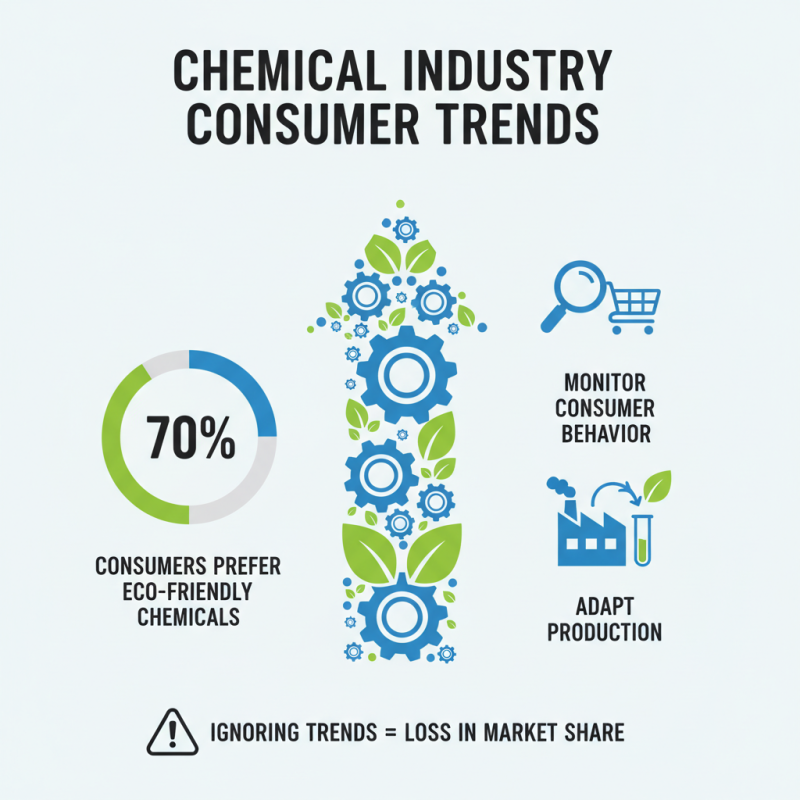
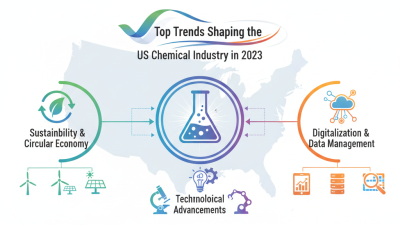
The chemical industry is undergoing significant transformations. Innovation is reshaping product development, sustainability is driving customer choices, and digitalization is enhancing operations. Companies must stay alert to these changes to remain competitive.
However, recognizing these trends is not always straightforward. There can be conflicting data and misleading forecasts. It requires careful analysis and a willingness to adapt. Companies need to not only observe changes but also critically evaluate their implications. Failing to do so may lead to missed opportunities or misguided strategies. The complexity of the chemical industry trends necessitates a proactive approach, where leaders actively engage with emerging developments.

Understanding the Chemical Industry Landscape
The chemical industry landscape is vast and dynamic. It continually evolves due to technological advancements and global needs. Understanding this environment is crucial for identifying key trends. Sales in specialty chemicals, for example, are rising. Industries are focusing on sustainability, innovative product solutions, and efficiency. Monitoring these changes helps grasp market movements.
Tips: Keep an eye on market reports. They provide insights into emerging trends and consumer preferences. Participate in industry conferences to network with experts. Doing so can spark new ideas and highlight trends that may not be widely recognized yet.
Understanding regulation changes is also vital. Compliance can shape industry standards and practices. Products evolving to meet new regulations can lead to opportunities for growth. However, companies must remain adaptable. Flexibility in approach is essential when unexpected changes occur, leading to necessary reflections on strategies used.
Analyzing Market Data and Reports for Trends
Identifying key trends in the chemical industry requires careful analysis of market data and reports. Recent studies reveal significant shifts in demand patterns, particularly in sustainable chemicals. Data from the Global Chemical Market Report 2023 indicates that the market for biodegradable plastics is projected to grow by 15% annually. This trend reflects rising consumer awareness of environmental issues.
Market reports also highlight the increasing role of digital transformation. Technologies like AI and IoT are reshaping production processes. Industry analysis suggests that companies investing in digital technologies could enhance efficiency by up to 25%. However, not all firms are adapting quickly enough. A gap remains between innovation and implementation, where many organizations still rely on outdated practices.
Another notable trend is the rise of circular economy models. According to the Circular Chemicals Report 2023, over 40% of chemical producers are shifting towards recycling and material recovery initiatives. Yet, the adoption rate varies widely. Some sectors lag behind in these efforts, struggling with the initial costs and lack of infrastructure. Analyzing these discrepancies can provide deeper insights into future developments in the chemical industry.
Identifying Innovations in Chemical Technologies
Identifying innovations in chemical technologies is crucial for staying competitive. Data from a recent market report shows that the global chemical industry is expected to reach $5 trillion by 2025. Innovative processes, such as green chemistry, are gaining attention. They seek to reduce waste and energy consumption while minimizing harmful byproducts. However, these methods are not without challenges.
Biodegradable plastics represent an exciting development. They have the potential to address plastic pollution issues that have persisted for decades. A report from a leading research institution indicates that the biodegradable plastics market could grow by 20% annually. Yet, questions remain about their degradation under various environmental conditions.
Another trend is the adoption of digital technologies. Companies are increasingly using AI and data analytics to enhance production processes. A survey found that 60% of chemical companies plan to implement smart manufacturing in the next three years. However, many lack the necessary infrastructure or expertise. This presents a dilemma: adapt quickly or risk falling behind. The path forward is not straightforward.
Assessing Regulatory and Environmental Impact Factors
In the chemical industry, regulatory and environmental impacts play a crucial role in shaping trends. Regulatory bodies enforce stricter emissions standards and safety protocols. Companies must adapt quickly. Failure to comply can lead to expensive fines.
Many firms focus on sustainability. They invest in greener technologies and processes. This shift poses challenges. Some formulations may lose effectiveness when modified for eco-friendliness. Balancing performance and compliance is vital yet complicated.
Environmental factors also affect raw material availability. Climate change can disrupt supply chains. A region's changing regulations can lead to uncertainties. Investors often hesitate. They seek stability in projects. Continuous reassessment of protocols is key. Adapting to a changing landscape can drive innovation, but it requires careful navigation.