How to Optimize Chemical Manufacturing for Global Buyers?
In a rapidly evolving global market, optimizing chemical manufacturing processes is crucial for success. Paul Anderson, a leading expert in chemical engineering, once stated, "Innovation in chemical manufacturing can drive efficiency and sustainability." This insight underscores the need for manufacturers to adapt and refine their operations to meet the demands of global buyers.
Today's buyers look for quality, sustainability, and transparency. They expect manufacturers to not only deliver on specifications but also align with environmental standards. However, many companies grapple with outdated processes and equipment. This gap can hinder competitiveness. Exploring advanced technologies and practices can offer steps toward improvement.
Chemical manufacturing must embrace change and reflect on current practices. Without commitment to innovation and efficiency, companies risk losing market share. Adopting a proactive approach will ensure that manufacturers remain relevant in a competitive landscape.
Understanding the Global Chemical Market Demands and Trends
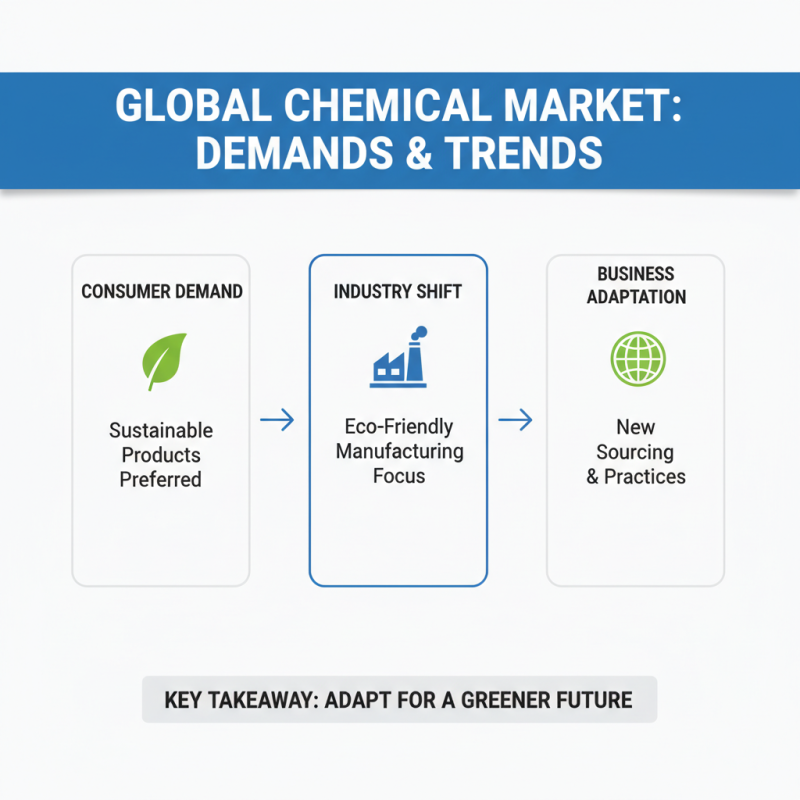
Understanding the global chemical market requires awareness of diverse trends and demands. Buyers today prefer sustainable products. There’s an increasing focus on eco-friendly manufacturing. This shift influences sourcing decisions around the world. Chemical companies must adapt their practices accordingly.
Innovation is crucial. Many buyers are interested in unique formulations and customized solutions. This growing demand for tailored products may challenge traditional manufacturing methods. Companies should invest in research and development to meet specific buyer needs. Flexibility will be key in responding to market fluctuations.
Moreover, supply chain resilience is becoming essential. Disruptions due to geopolitical events or pandemics can impact availability. Chemical manufacturers should analyze their logistics carefully. Understanding local regulations and market conditions can enhance compliance. Still, balancing quality with cost remains a significant hurdle for many. Businesses need a holistic approach to optimize their processes effectively.
Identifying Key Factors for Optimizing Chemical Manufacturing Processes
In the competitive landscape of chemical manufacturing, optimizing production processes is essential. Companies must focus on several key factors to improve efficiency and meet global buyer demands. A keen understanding of production workflows can greatly enhance outcomes. Identifying bottlenecks in the system is crucial. Regularly reviewing these areas leads to better throughput.
Tips: Engage your team in mapping out the production flow. Include everyone in discussions to gain diverse insights. This can reveal hidden inefficiencies.
Another important factor is the adoption of technology. Automation helps streamline operations. Nonetheless, not every technology suits every company. Careful evaluation and testing are necessary to ensure compatibility. Invest time in assessing what adds real value.
Tips: Conduct pilot projects before full-scale implementation. This helps in minimizing risks and understanding potential challenges.
Lastly, prioritize sustainability. Many buyers now consider eco-friendly practices. However, pushing too hard for green initiatives can lead to setbacks. Balancing sustainability with profitability requires reflection and strategy.
Tips: Keep track of sustainability metrics. These insights can guide adjustments in practices over time.
How to Optimize Chemical Manufacturing for Global Buyers?
| Key Factor |
Description |
Importance Level (1-5) |
Implementation Strategies |
| Process Optimization |
Enhancing production efficiency through refined processes. |
5 |
Lean manufacturing, Six Sigma methodologies. |
| Supply Chain Management |
Streamlining supply chains to ensure timely procurement of materials. |
4 |
Collaborative planning with suppliers, inventory optimization. |
| Regulatory Compliance |
Adhering to local and international chemical safety standards. |
5 |
Regular audits, staff training on compliance protocols. |
| Technological Innovation |
Adoption of new technologies for better production capabilities. |
4 |
Investment in R&D, partnerships with tech firms. |
| Sustainability Practices |
Implementing eco-friendly practices to minimize environmental impact. |
5 |
Waste reduction initiatives, using renewable resources. |
Implementing Sustainable Practices in Chemical Production
In the current global market, sustainability in chemical production is becoming essential. A report from the International Energy Agency highlights that the chemical sector accounts for around 10% of global energy-related CO2 emissions. This immense footprint necessitates immediate action for optimizing processes. Implementing sustainable practices can significantly reduce these emissions.
Adopting green chemistry principles is one effective method. For instance, a study found that greener methods can cut waste by over 50%. Moreover, utilizing renewable energy sources like solar or wind can help to minimize dependency on fossil fuels. Transitioning to such practices not only helps the environment but also improves operational efficiency and reduces costs in the long run.
However, the implementation of these sustainable practices often faces obstacles. Many companies struggle with the initial investment required for new technology. Furthermore, there is a lack of standardized metrics for measuring sustainability in chemical production. Addressing these challenges is crucial for the industry to move towards a more eco-friendly future. The focus must remain on creating a balance between economic viability and environmental responsibility.
Leveraging Technology and Automation for Enhanced Efficiency
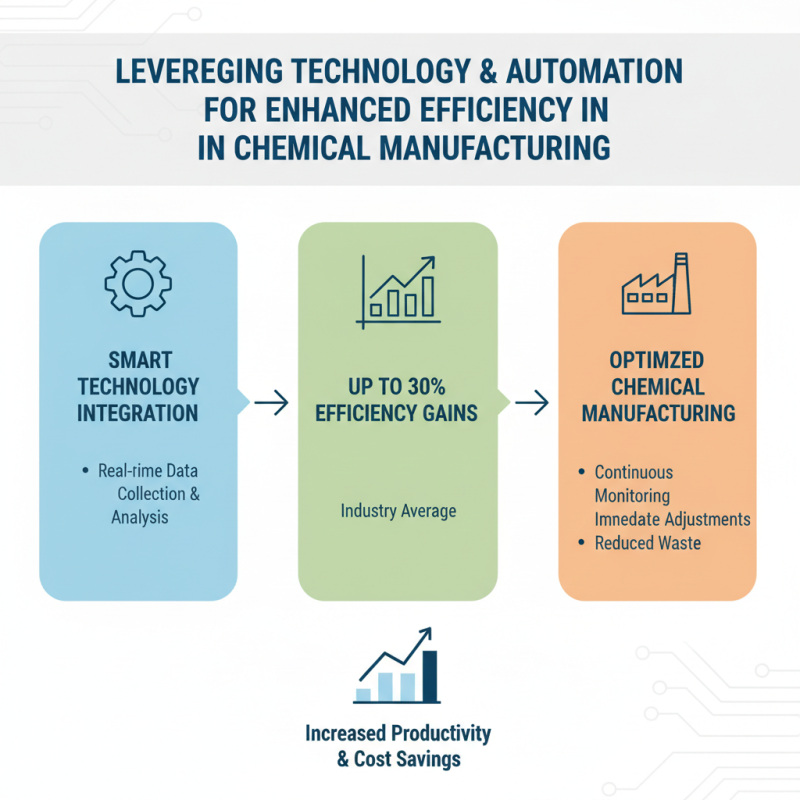
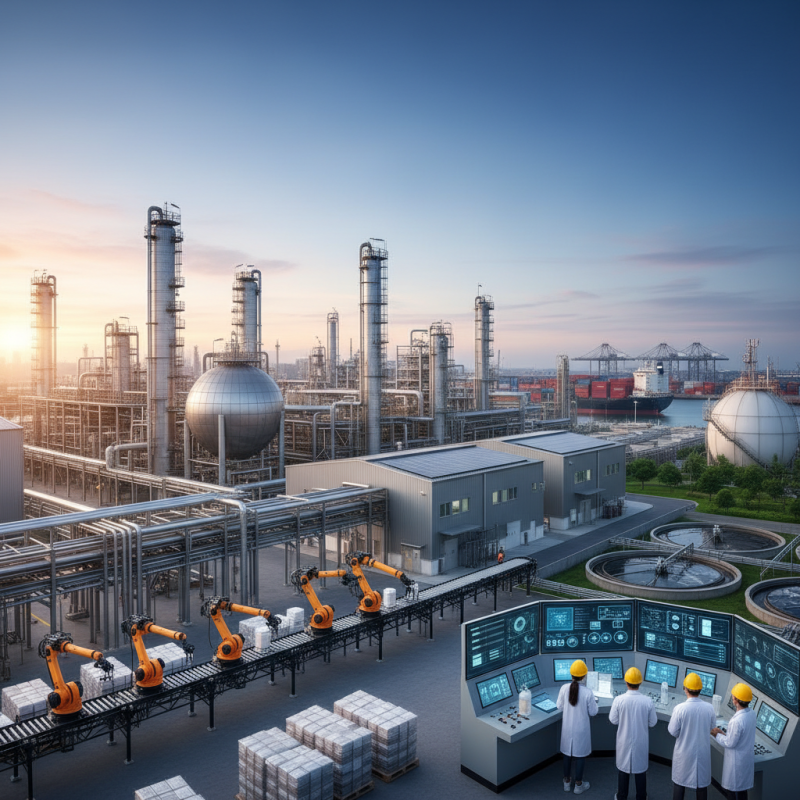
In today's competitive landscape, leveraging technology and automation is essential for optimizing chemical manufacturing. Industry reports indicate that businesses adopting advanced automation can see efficiency gains of up to 30%. This significant improvement is driven by the integration of smart technologies, which enhance real-time data collection and analysis. For instance, automated systems can monitor production processes continuously, allowing for immediate adjustments and reducing waste.
Furthermore, robotics in chemical manufacturing not only minimizes human error but also maintains consistent quality standards. According to a recent study, companies implementing robotic solutions have reduced production costs by 20% while increasing output. However, transitioning to these technologies is not without challenges. Many manufacturers struggle with initial costs and require substantial training. Investment in staff education is crucial to fully realize the potential of these advanced systems.
As the industry evolves, there is a growing need for sustainable practices. Automation can support eco-friendly goals by optimizing energy use and minimizing resource consumption. The push for sustainability is reflected in the 2023 Global Chemical Industry Report, which emphasizes that 75% of consumers prefer products from manufacturers with green practices. Addressing this expectation involves not only adopting new technologies but also embracing a holistic approach to manufacturing.
Establishing Strong Supply Chain Relationships for Global Distribution
Establishing strong supply chain relationships is essential for chemical manufacturers looking to serve global markets. Collaboration fosters trust and transparency, which are vital in navigating complex international logistics. According to a report from McKinsey, companies that prioritize supply chain partnerships can reduce costs by up to 30%. This number highlights the significance of establishing effective communication with suppliers and distributors.
Building these relationships requires investment in technology. Advanced analytics and real-time tracking systems enhance visibility across the supply chain. A survey by Deloitte shows that 79% of companies that have implemented these technologies report improved operational efficiency. However, many organizations struggle with integration. Adopting new systems can be challenging, leading to friction in ongoing relationships.
Additionally, companies must be aware of the risks posed by global uncertainties. For instance, geopolitical tensions can disrupt supply lines overnight. Relying too heavily on a single supplier may seem cost-effective but can leave a manufacturer vulnerable. Diversifying suppliers is crucial, yet it necessitates careful management and coordination. Ultimately, refining supply chain relationships can significantly impact a company's ability to adapt and thrive in the global market.
Global Chemical Manufacturing Optimization