What is PET Release Film and Why is it Important for Buyers?
PET Release Film is a crucial material in various industries, particularly in the production of adhesives, labels, and flexible packaging. According to a report by MarketsandMarkets, the global PET release film market is expected to reach USD 1.2 billion by 2027, growing at a CAGR of 5.1%. Such growth highlights the increasing demand for high-performance films that meet industry requirements.
Industry expert Dr. Anna Chen notes, "The quality of PET release films can significantly impact the efficiency of manufacturing processes." This statement underscores the importance of selecting the right materials for production. High-performance PET release films provide excellent clarity, durability, and moisture resistance, making them vital for buyers in competitive markets.
However, not all PET release films are created equal. Variability in thickness, surface texture, and processing techniques may cause challenges in application. Buyers must ensure that their chosen film aligns perfectly with their specific needs, which can sometimes lead to overestimating the capabilities of standard products. Understanding these nuances is essential for successful procurement.
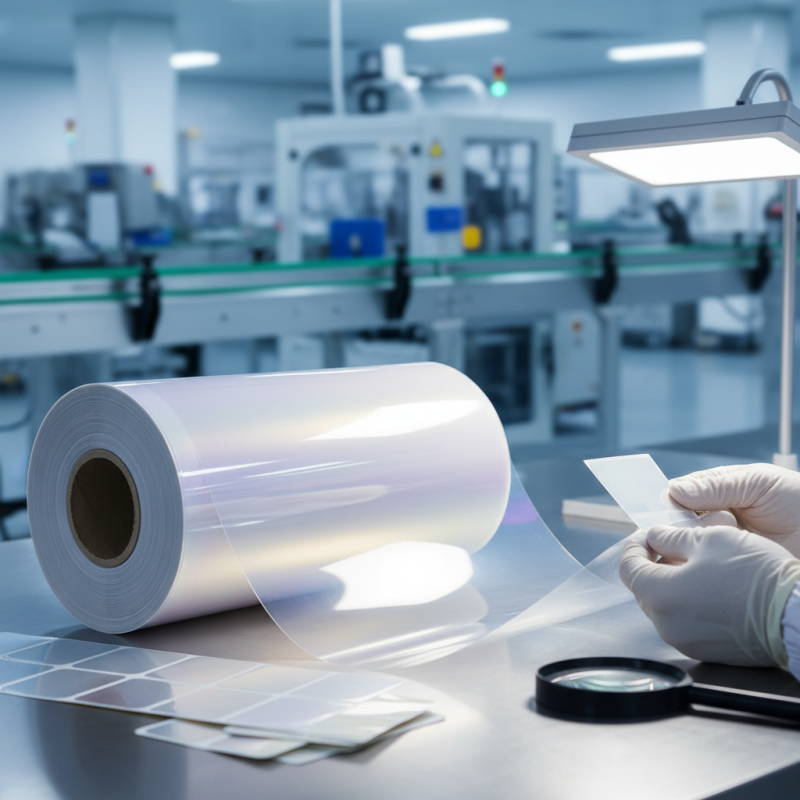
What is PET Release Film and Its Composition
PET release film is a specialized material used widely in various industries. It is made from Polyethylene Terephthalate, known for its strong and durable properties. The film's structure consists of a smooth surface that allows for easy release of adhesive materials. This characteristic is crucial for industries like automotive and electronics, where precision matters.
The composition of PET release film includes additives that enhance its performance. These additives can improve the film's durability and temperature resistance. Often, the thickness of the film varies to meet specific needs. However, the choice of thickness and additives may affect cost and performance. Users should assess these factors based on their requirements.
Moreover, while PET release film offers many benefits, there are areas for improvement. Manufacturers must focus on reducing environmental impact. Recycling options for PET materials are still developing. Finding a balance between cost and sustainability poses a challenge. As industries grow, the demand for better, eco-friendly solutions increases.
Key Characteristics of PET Release Film
PET release film is widely recognized for its versatility in various industries. It is a type of polyester-based film with excellent properties that stand out. Its primary role is to provide a non-stick surface. This feature is invaluable in applications like adhesives and coatings. Buyers must understand these key characteristics to make informed decisions.
One important property is the film's temperature resistance. PET release film can withstand high temperatures without degrading. This makes it suitable for industries like automotive and electronics. Additionally, its chemical resistance means it performs well against solvents and harsh substances. The clarity of the film allows for easy monitoring during production processes.
Another notable characteristic is its durability. PET release film is resistant to punctures and tears, ensuring reliability. However, not all PET films are created equal. Variations in thickness and coating types can affect performance. Buyers should conduct thorough testing to ensure the film meets their specific needs. This aspect is often overlooked, leading to unexpected challenges. Hence, understanding the product is crucial before purchase.
Applications of PET Release Film in Various Industries
PET release film plays a vital role across various industries. Its primary application is in adhesive and sealant products. Manufacturers use this film to ensure smooth release processes. The unique silicone coating on the film allows for easy peeling. This property benefits companies that deal with sensitive surface applications.
In the automotive and electronics sectors, PET release film is crucial. It protects components during assembly and shipping. This film can resist high temperatures and harsh chemicals. In medical packaging, the need for sterile and secure environments amplifies its importance. PET release film helps maintain cleanliness while offering reliable protection for sensitive materials.
However, the film's production is not without challenges. Some manufacturers face issues related to thickness and adhesive compatibility. Ensuring quality control during production is essential. Businesses must continuously evaluate their choices for optimal performance. Quality PET release films can enhance efficiency and reduce waste, ultimately benefiting buyers in the long run.
Benefits of Using PET Release Film for Buyers
PET release film has become a game-changer in various industries. This specialized film offers numerous benefits to buyers, making it a popular choice in manufacturing and production processes. One significant advantage is its exceptional release properties. The film allows easy separation from adhesives or coatings without leaving any residue. This quality is crucial in applications like laminating or bonding, where clean results are essential.
According to a recent market study, the global PET release film market is projected to grow at a CAGR of 5.3% from 2023 to 2030. This growth indicates a rising demand among buyers looking for reliable packaging solutions. Another report highlighted that the automotive and electronics sectors are increasingly adopting PET release film due to its lightweight and durability features. These sectors benefit from reduced production costs and enhanced efficiency.
However, buyers should be aware of the quality and specifications of the films they choose. Not all PET release films are created equal. Understanding the nuances and application-related requirements is vital. Not considering these factors could lead to production delays or increased costs. By making informed decisions, buyers can leverage the full advantages of PET release film to enhance their operations.
Benefits of Using PET Release Film
Factors to Consider When Choosing PET Release Film
When selecting PET release film, buyers must focus on several factors. The film's thickness is crucial. Thicker films offer better durability, while thinner films may provide more flexibility. The choice depends on the specific application. Buyers should evaluate the film's surface texture as well. A smooth surface can enhance the release properties, while a textured surface might improve adhesion for certain applications.
Another important consideration is operating temperature. Some films perform better in high-temperature environments. Understanding the environmental conditions of use can prevent issues later on. Additionally, chemical resistance is vital. Depending on the substances the film may encounter, selecting a resistant variant ensures better longevity.
Buyers should also think about the film's compatibility with various substrates. Some films bond well with specific materials, while others do not. Testing compatibility can save time and resources. Lastly, consider the sourcing of the film. Reliable suppliers typically offer better quality control. Getting this right can impact the production process significantly.
What is PET Release Film and Why is it Important for Buyers? - Factors to Consider When Choosing PET Release Film
| Feature | Importance | Considerations |
| Surface Release Properties | Ensures easy release of adhesive from the film. | Choose based on your specific application needs. |
| Temperature Resistance | Critical for applications involving heat curing. | Select films that can withstand higher temperatures if needed. |
| Thickness | Affects durability and release performance. | Evaluate the thickness suitable for your application. |
| Chemical Resistance | Prevents degradation in harsh environments. | Consider the chemicals the film will encounter. |
| Clarity | Affects visibility in packaging and product presentation. | Select clarity based on aesthetic requirements. |
| Cost | Impacts overall project budgets. | Balance quality with budget constraints. |

