Potassium Humate Benefits for Buyers at China Import Export Fair?
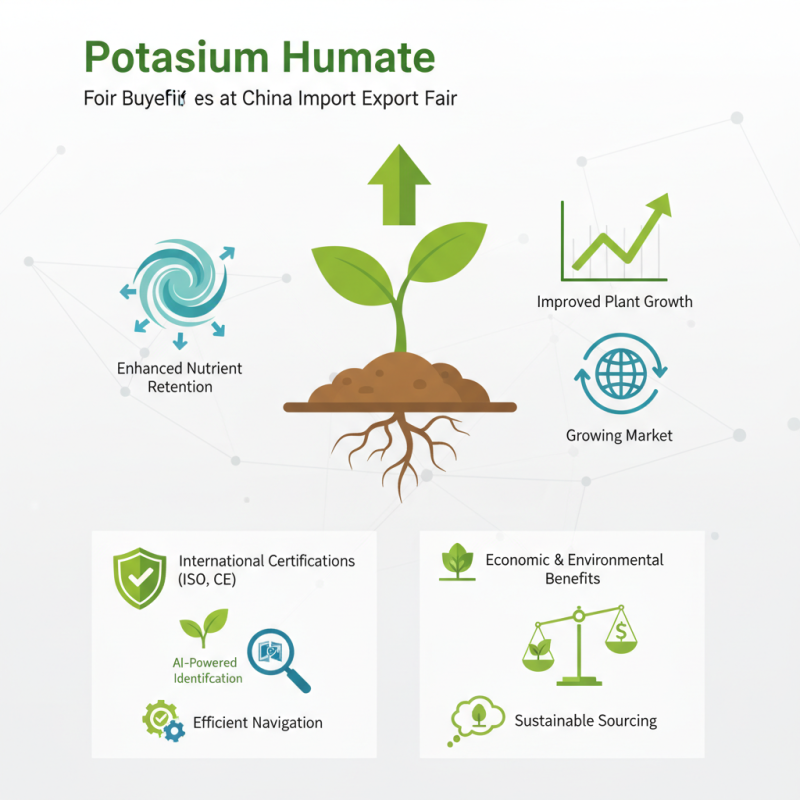
The upcoming 139th China Import and Export Fair highlights significant opportunities for buyers interested in natural products, especially potassium humate. Potassium Humate Benefits range from enhancing soil nutrient retention to improving plant growth. According to industry reports, the global humic substances market is projected to grow significantly, with a CAGR of over 12% by 2025.
Buyers at the Fair can discover potassium humate suppliers who meet international certifications like ISO and CE. With advanced AI tools introduced at the Fair, identifying high-quality suppliers has never been easier. The emphasis on efficiency in navigating over 1.55 million square meters of exhibition space will enhance business connections.
However, some might overlook the long-term benefits of potassium humate. It's essential for buyers to critically consider the sustainability of their sourcing practices. While potassium humate presents numerous advantages, potential ecological impacts must not be ignored. Engaging thoughtfully in this market can yield both economic and environmental benefits.
Potassium Humate: Overview and Importance in Agriculture
Potassium humate is gaining attention in agriculture. It is derived from leonardite and benefits the soil. This organic compound enhances soil structure, improves nutrient retention, and promotes microbial activity. Farmers appreciate its ability to stimulate plant growth and resilience.
Tips: When using potassium humate, consider soil type. Test the soil beforehand. This ensures optimal application rates. Over-application can lead to nutrient imbalances.
Additionally, potassium humate helps in reducing soil salinity. This is vital in regions affected by high salinity levels. It can improve water holding capacity too. However, effects may not be immediate. Patience and consistent use are essential for results.
Many buyers at the China Import Export Fair seek such sustainable solutions. The demand reflects a shift toward eco-friendly practices. Investing in potassium humate shows promise, but be cautious of unrealistic expectations. It’s not a miracle solution; ongoing care is needed.
Key Benefits of Potassium Humate for Soil Health and Crop Yield
Potassium humate has gained attention for its remarkable positive effects on soil health and crop yield. Studies indicate that it can improve soil structure significantly. The Organic Food Research Institute reported a 20% increase in moisture retention when potassium humate is applied to sandy soils. This is crucial in arid regions where water conservation is vital.
Research also shows that potassium humate enhances nutrient availability. An analysis by the Agricultural Sciences Journal stated that using potassium humate can increase nitrogen absorption by up to 30%. This leads to healthier plants and better yield. The compound assists in breaking down organic matter, making nutrients more accessible to crops. However, not all soils respond the same way. Some farmers notice minimal differences, prompting questions about its overall efficacy under certain conditions.
Another key benefit is its role in stimulating microbial activity. A report from the Soil Biology Society highlighted a 40% increase in beneficial microorganisms with potassium humate usage. These microbes help decompose organic material, enriching the soil. However, discrepancies in results have sparked debate. Some fields show little to no microbial growth, signaling that more research is needed in this area. It's vital for buyers to understand these varying results before making informed decisions at trade fairs.
Market Trends: Demand for Potassium Humate at China Import Export Fair
The demand for potassium humate is on the rise at the China Import Export Fair. Buyers show increased interest in its benefits for agriculture and soil health. Farmers recognize that potassium humate can enhance crop yields and improve soil fertility. This market trend suggests significant opportunities for suppliers.
Tips: Consider the varying quality of potassium humate in the market. Some products may not meet expectations. Always inquire about sourcing and production processes before making a decision.
Many buyers are also interested in cost-effectiveness. They want to maximize benefits while minimizing expenses. However, understanding the real value of potassium humate is crucial. It’s not always the cheapest option that provides the best results.
Tips: Analyze product reviews and feedback from other buyers. It can provide insights into effectiveness. Relying on anecdotal evidence may not yield the best purchases. Make informed decisions based on reliable data.
Economic Impact: Cost-Benefit Analysis of Potassium Humate Use
Potassium humate is gaining traction among farmers and buyers. Its cost-effectiveness can be a game-changer. A report by the International Research Journal shows that applying potassium humate can increase crop yields by 20-30%. This shift not only improves productivity but also boosts the economic viability of agricultural practices. Farmers are responding positively to such insights.
The cost-benefit analysis reveals interesting aspects. Investing in potassium humate often leads to higher returns in the long term. For instance, using potassium humate can reduce the need for synthetic fertilizers. This change saves farmers money and time while promoting sustainable agriculture. However, challenges remain. Some farmers report inconsistency in results depending on soil types. This variability calls for further research and trials.
Moreover, the initial investment in potassium humate may deter some buyers. The average cost per hectare can vary significantly, often ranging from $50 to $200. Understanding these costs is crucial for buyers at trade fairs. They need to assess not just the price, but potential benefits. Balancing the immediate costs with long-term gains is key for informed decisions. This nuanced view of potassium humate will shape future agricultural strategies.
Sustainability and Potassium Humate: Aligning with Eco-Friendly Practices
In today's world, sustainability is more than just a buzzword. It’s an urgent need. Potassium humate fits into this narrative perfectly. Derived from natural sources, it improves soil health without harming the environment. This organic approach resonates with buyers looking for eco-friendly solutions.
Event participants at the China Import Export Fair are likely to notice the growing interest in sustainable products. Many buyers aim to align their purchases with eco-friendly practices. But the challenge remains: balancing affordability with sustainability. Some affordable options may lack effectiveness. This creates a dilemma for buyers who prioritize both values.
Organic matter is essential for healthy crops. Potassium humate enhances nutrient absorption, potentially leading to higher yields. Yet, market education is needed to overcome misconceptions. It’s not a miracle solution. There are varying qualities and methods of application. Buyers should remain cautious and informed. Engaging in dialogue about these complexities can lead to better practices and decisions.

