What is Solvent Pigment and How Does it Impact Your Art Projects
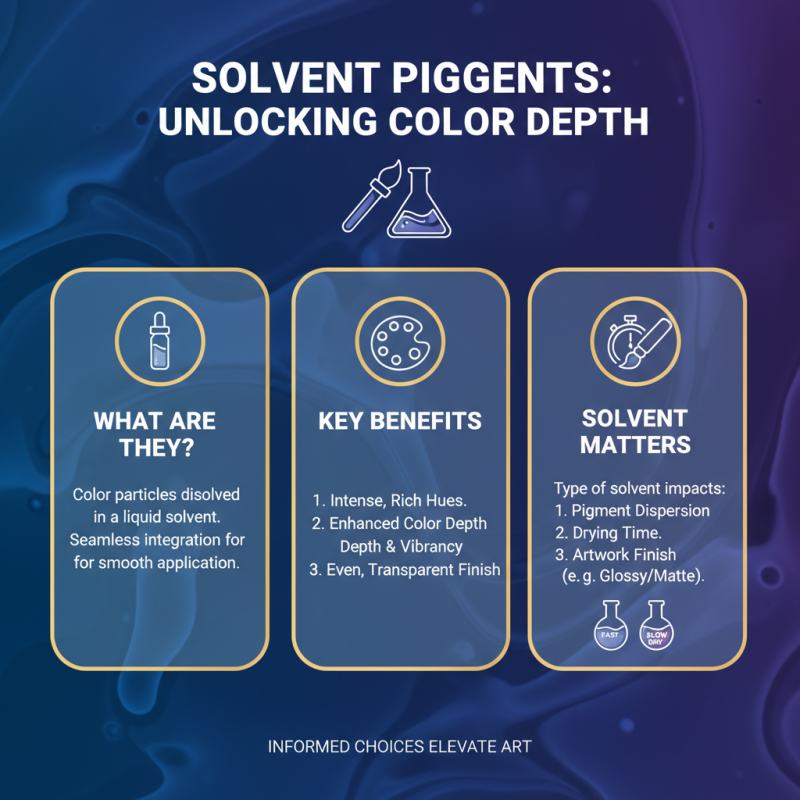
In the world of art and painting, the choice of materials plays a crucial role in the final outcome of a project. One such material that has garnered attention among artists is solvent pigment. Unlike traditional pigments that are often water-based, solvent pigments are suspended in organic solvents, offering unique properties that can significantly influence the application, durability, and finish of artwork. Understanding what solvent pigment is and how it interacts with various mediums can help artists make informed decisions to enhance their creative processes.
The impact of solvent pigments extends beyond mere aesthetics; they also affect the behavior of paint during application. Due to their composition, solvent pigments can provide vibrant colors with excellent coverage and adhesion, making them suitable for various surfaces. Artists can achieve smooth blends and rich textures, but it is essential to understand both the advantages and potential challenges, such as drying time and health considerations. By exploring the characteristics of solvent pigment, artists can leverage its unique qualities to elevate their art projects, tailoring their techniques to best exploit this versatile medium.

What is Solvent Pigment and Its Composition in Art Materials
Solvent pigments are a vital component in many art materials, playing a crucial role in the performance and longevity of artworks. These pigments are finely ground colorants that are suspended in a solvent, allowing for vibrant hues and smooth application. The composition of solvent pigments typically includes organic and inorganic materials, which provide a diverse range of colors and effects. Organic pigments tend to offer bright and vivid colors, while inorganic pigments usually deliver more muted and earthy tones. This combination allows artists to experiment with different styles and types of color application.
The impact of solvent pigments on art projects extends beyond aesthetics. Due to their formulation, these pigments can influence the drying time and texture of the paint. The choice of solvent can also affect the paint’s viscosity, making it easier or more challenging to achieve the desired application technique. Furthermore, the stability of solvent pigments ensures that works retain their color integrity over time, as they are often resistant to fading when exposed to light and environmental conditions. Understanding the composition and characteristics of solvent pigments empowers artists to select the appropriate materials for their projects, ultimately enhancing their creative process.
What is Solvent Pigment and Its Composition in Art Materials
| Property |
Description |
| Definition |
Solvent pigments are finely ground colorants that are suspended in a solvent base, commonly used in various art mediums. |
| Composition |
Typically consist of organic or inorganic pigments combined with solvents and additives for texture and longevity. |
| Uses |
Commonly used in painting, printing, and coatings to achieve vibrant colors with clarity. |
| Impact on Art Projects |
Offers artists flexibility, control over color application, and promotes creative techniques such as blending and layering. |
| Safety Considerations |
Many solvent pigments may release volatile organic compounds (VOCs); proper ventilation and protective gear are recommended. |
| Environmental Impact |
The use of solvent pigments can contribute to environmental pollution if not disposed of properly; recycling and safe disposal practices are encouraged. |
The Role of Solvents in Creating Vibrant Pigment Colors
Solvent pigments play a crucial role in the vibrancy and depth of colors in various art projects. These pigments are typically suspended in a solvent, allowing them to dissolve and integrate seamlessly, resulting in a smooth application and rich, vivid hues. The choice of solvent impacts not only the dispersion of the pigments but also the overall drying time and finish of the artwork. When artists understand the characteristics of different solvents, they can make informed decisions that enhance the visual impact of their creations.
In painting, for instance, the solvent can greatly affect how the colors interact with each other on the canvas. A well-chosen solvent will preserve the integrity of the pigments, preventing them from becoming muddy or dull when layered. Additionally, the use of solvents can influence the opacity and transparency of the pigment, allowing artists to achieve a variety of effects—ranging from opaque strokes to translucent washes. This versatility enables greater creativity and expression, as artists can manipulate the solvent to suit their stylistic goals while ensuring that their colors remain vibrant and true.
Different Types of Solvent Pigments Used in Art Projects
Solvent pigments are integral to many art projects, offering vivid colors and a unique depth to various mediums. They are particularly popular in illustration, fine arts, and industrial applications due to their fast-drying properties and significant opacity. When selecting solvent pigments, it’s important to understand the different types available, as each possesses distinct characteristics and applications.
One common type of solvent pigment is the organic pigment, admired for their vibrant hues and excellent lightfastness. These pigments are often used in applications where color stability is paramount, such as in oil paints and inks. In contrast, inorganic pigments provide a broader range of earthy tones and are prized for their durability and resistance to fading over time. This variety allows artists to choose pigments that align with their particular artistic vision and the desired outcome of their projects.
Tips: When working with solvent pigments, always ensure proper ventilation in your workspace to avoid inhaling fumes. Additionally, experiment with different mediums to mix solvent pigments effectively; combining them with oils or binders can yield unexpected textures and finishes, inspiring new creative directions. Finally, keep a color journal to record your mixing ratios and results, helping you refine your techniques and achieve consistency in future projects.
How Solvent Pigments Affect the Durability and Finish of Artwork
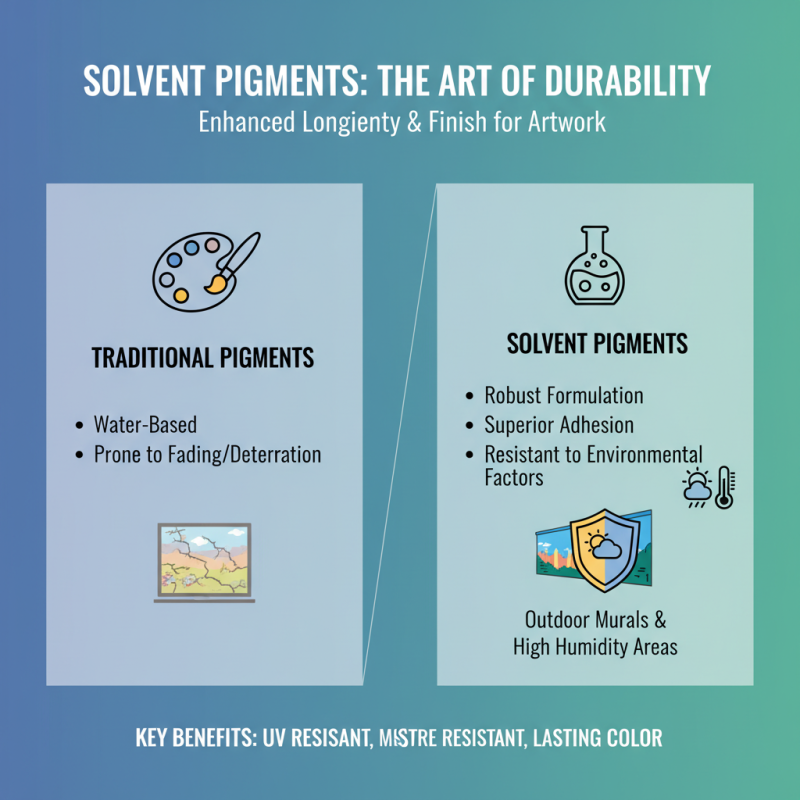
Solvent pigments play a crucial role in the durability and finish of artwork. Unlike traditional water-based pigments, solvent pigments provide a more robust formulation that can withstand various environmental conditions. The chemical composition of solvent pigments allows for better adhesion to surfaces, resulting in artwork that is less prone to fading and deterioration over time. This makes them particularly appealing for outdoor murals or pieces displayed in areas with high humidity or fluctuating temperatures.
The finish of artwork created with solvent pigments is often more vibrant and glossy, enhancing color richness and depth. This quality not only attracts attention but also gives a professional appearance that can elevate the overall impact of the piece. Additionally, the quick drying time associated with solvent-based mediums allows artists to work efficiently, layering colors and details without significant wait times. However, the application of solvent pigments requires careful handling and adequate ventilation, as they may emit strong odors and require protective measures. Understanding these characteristics helps artists make informed decisions about the materials they choose, ensuring their creations endure and maintain their aesthetic appeal.
Safety Considerations When Using Solvent Pigments in Art Creation
When working with solvent pigments in art, safety should be a primary concern for artists. Solvent pigments are known for their vibrant colors and ability to produce smooth, flowing textures, but the solvents used to dissolve these pigments often contain chemicals that can be harmful if proper precautions are not taken. It's crucial to work in a well-ventilated area to minimize inhalation of any fumes. Additionally, using a mask or respirator can provide an extra layer of protection, especially when working with larger amounts of pigment or when doing intensive painting projects.
Personal protective equipment (PPE) is also essential. Wearing gloves can help protect the skin from potential irritation and absorption of harmful substances through the skin. In case of spills or splashes, keeping a first-aid kit on hand is advisable to address any immediate concerns. Artists should also familiarize themselves with the safety data sheets (SDS) of the solvents they are using, which provide detailed information on handling, storage, and potential hazards associated with the pigments. By implementing these safety considerations, artists can enjoy the creative possibilities of solvent pigments while minimizing health risks.
Impact of Solvent Pigments on Art Projects
This bar chart illustrates the potential safety considerations and impact levels of various solvent pigments used in art creation. The data reflects general safety ratings based on vapor toxicity, skin irritation, and environmental effects.