

Blog
Top 10 Cosmetic Grade Beta Arbutin Powder Suppliers
Choosing a dependable supplier takes more than comparing prices or browsing polished product pages. Cosmetic Grade Beta Arbutin Powder should come with clear specifications, consistent batch information, and documentation buyers can review before placing an order. These details help formulators assess whether a material fits their product requirements.
This guide presents 10 suppliers for buyers to consider. It focuses on practical checks, including ingredient identity, stated purity, packaging options, batch traceability, and the availability of a certificate of analysis. Ask how samples are handled and whether the supplier can explain storage recommendations. A neat label alone is not enough.
Details matter.
Supplier capabilities can vary by region, order size, and intended application. Product listings may also change, so confirm current specifications directly with each company. No supplier is perfect on paper; a responsive representative and complete records may matter as much as a competitive quote. Still, verify. Review the documentation, compare answers, and make sure claims are specific rather than vague. This overview is a starting point, not a substitute for your own quality review. It aims to make early sourcing conversations more focused, while leaving room for careful questions—and, honestly, a little healthy doubt.
What Cosmetic-Grade Beta Arbutin Powder Is and How It Is Used
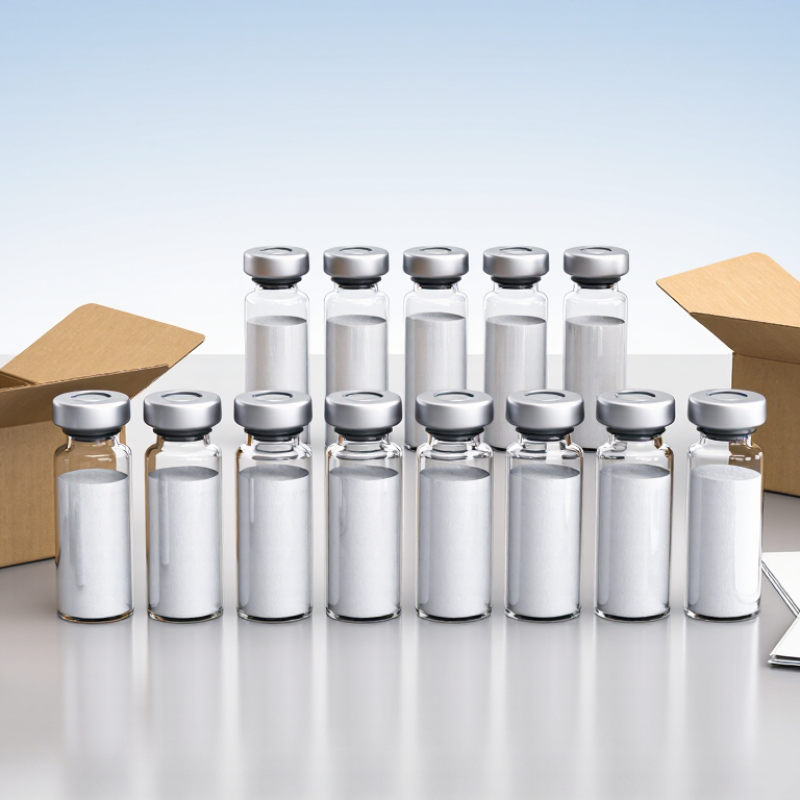
Cosmetic-grade beta-arbutin is a purified glycoside used in leave-on skincare. It can help reduce the appearance of uneven pigmentation by limiting tyrosinase activity, a step in melanin formation. It is not an instant brightener. The powder is often white and crystalline, but appearance alone cannot confirm identity or purity. Buyers should review batch-specific identity, assay, and hydroquinone-impurity results, preferably supported by validated analytical testing.
Technical data helps put use levels in context. In opinion SCCS/1553/15, the European Commission’s Scientific Committee on Consumer Safety assessed beta-arbutin as safe at up to 7% in face creams and 0.5% in body lotions. The opinion also stresses keeping hydroquinone impurities as low as technically achievable. These figures reflect that assessment, not a universal formula. Formulators should check current local requirements and finished-product stability. That detail is easy to miss.
Tips: Request a recent certificate of analysis and impurity data for each batch. Test the powder in the intended formula; heat, pH, and storage can affect performance. A tidy powder does not guarantee a stable product.
Beta-Arbutin in Cosmetic Formulations: SCCS-Assessed Safe Use Levels
The SCCS concluded that beta-arbutin is safe in face creams at concentrations up to 7%. For comparison, its assessments found alpha-arbutin safe up to 2% in face creams and 0.5% in body lotions. These are scientific safety-assessment conclusions, not a supplier ranking or a substitute for checking current requirements in the intended market. The SCCS did not consider beta-arbutin safe in body lotions at 0.5%.
Sources: European Commission SCCS, Opinion on β-Arbutin (SCCS/1552/15); Opinion on α-Arbutin (SCCS/1642/22).
How to Evaluate Beta Arbutin Suppliers and Product Quality
Choosing a cosmetic-grade beta arbutin supplier takes more than comparing price sheets. Ask for a current specification sheet, certificate of analysis, and batch traceability records. These should identify assay, appearance, solubility, storage conditions, and test methods. A clear answer matters. If staff cannot explain how the batch was tested, pause and verify. Request a sample from the same production lot you may purchase, then compare its color and handling with the written specifications.
Review the testing behind the paperwork. Confirm that identity and purity are assessed, and ask what checks address contaminants and moisture. A certificate alone is not a guarantee; methods and batch details should be consistent. Check whether packaging protects the powder from moisture and excessive heat during storage and shipping. Ask how the supplier manages specification changes and reports deviations. No checklist catches every issue, but vague answers are useful warning signs. Keep your own sample and notes for comparison across deliveries.
Tips: Compare at least two recent batch documents. Check seals on arrival, record lot numbers, and store samples as instructed. Small details can reveal inconsistencies.
Profiles of 10 Cosmetic-Grade Beta Arbutin Powder Suppliers
A direct producer may suit buyers seeking batch-level traceability and steady volume. Ask for a recent certificate of analysis, assay method, and storage guidance. A specialist ingredient distributor can offer smaller quantities and responsive order handling. Check whether its documents identify the original manufacturing site. Details matter.
A cosmetic-raw-material wholesaler may carry several pack sizes, while a small-batch supplier can help with early formulation trials. An export-focused supplier should explain packaging, transit conditions, and document handling clearly. A regional stockist may shorten delivery times, but confirm that the powder has been stored in sealed, dry conditions. Humidity is easy to overlook.
Some suppliers stand out through analytical records, such as impurity data and batch-specific test reports. Others offer formulation support, including advice on dispersion and compatibility testing. A private-label ingredient supplier may provide custom packaging, while a sourcing agent can compare options across producers. These are different service profiles, not endorsements. No supplier is perfect; polished paperwork still needs verification. Request a sample, compare its appearance and documentation, and ask how complaints or out-of-specification results are handled. A careful review takes time.
Comparing Supplier Certifications, Specifications, and Order Options
When comparing cosmetic grade beta arbutin powder suppliers, check what each certificate actually covers. ISO 9001 may indicate a quality management system, while cosmetic GMP documentation can offer more relevant process controls. Ask for current certificates, issuing bodies, expiry dates, and the site address. A certificate with the wrong facility name deserves a follow-up.
Specifications should be batch-specific, not just copied from a product sheet. Review the assay, moisture level, appearance, solubility, particle size, and applicable microbial limits. Request a recent certificate of analysis and ask how each test is performed. Small differences can affect blending and consistency. A clean-looking powder is not proof of purity. I would also check whether the supplier can explain storage conditions and recommended handling without making unsupported performance claims.
Order options matter once the paperwork checks out. Compare sample availability, minimum order quantity, standard pack sizes, lead times, and shipping protections. Ask how sealed containers are labeled and whether batch traceability continues through delivery. A low minimum may suit early formulation trials, while larger orders need dependable replenishment. Quotes can look precise; delivery estimates sometimes are not. Confirm the details in writing, and keep a retained sample for your own incoming checks.
How to Select and Verify a Beta Arbutin Supplier for Your Needs
A dependable beta-arbutin supplier should provide more than a sales specification. Request a batch-specific certificate of analysis showing identity, assay, appearance, and test methods. Ask how hydroquinone impurities are measured, and request the actual result rather than a pass-only statement. Ask for raw data. Review the safety data sheet, production-site quality controls, batch traceability, and change-notification process. ISO 22716 describes good manufacturing practices for cosmetics, but certification alone cannot confirm a powder’s purity or consistency.
The European Commission’s Scientific Committee on Consumer Safety assessed beta-arbutin in opinion SCCS/1554/15, finding it safe for use in face creams up to 7%, while emphasizing that hydroquinone impurities should be kept as low as possible. That assessment is useful context, not a substitute for checking your formula, intended market, or current requirements. Request representative samples, then compare color, solubility, and assay results across batches. Ask for stability data under stated storage conditions, not just a shelf-life claim. A responsive supplier should explain deviations and corrective actions clearly. If documents are incomplete, pause. Price can be compared in a spreadsheet; inconsistent evidence is harder to fix later. I would still verify key claims independently, because a neat PDF can look more convincing than the underlying controls.

