Top 10 Specialty Chemicals Suppliers Worldwide?

The global specialty chemicals market is shaped by performance, not volume alone. These materials improve coatings, adhesives, electronics, agriculture, healthcare, construction, and countless everyday products. A small change in purity, viscosity, or thermal stability can decide whether a formulation succeeds.

This Top 10 Specialty Chemicals Suppliers Worldwide overview examines companies through practical criteria. These include product breadth, research investment, technical support, manufacturing consistency, supply resilience, and sustainability reporting. It also considers customer proximity. A laboratory in Germany may need different support from a coatings producer in Southeast Asia.

As former BASF chairman Kurt Bock once observed, “Chemistry is the key to solving many of the challenges facing our world.” His statement reflects the sector’s central responsibility. Specialty chemicals suppliers must deliver reliable performance while responding to stricter environmental expectations and changing customer needs.

The ranking is not absolute. Market leadership can shift quickly. A supplier may lead in catalysts but remain less competitive in additives or electronic materials. Public information also differs between companies, which makes comparison imperfect. That limitation matters.

This guide therefore avoids a simple sales-based list. It looks at measurable capabilities, real industrial applications, and long-term credibility. Readers will find global leaders, regional strengths, and important questions to ask before choosing a supplier. Quality certificates help. They are not enough.

A strong partnership also depends on responsive engineers, stable batches, transparent documentation, and realistic delivery promises. Those details often appear after the first purchase. And they can determine the final result.
Top 10 Specialty Chemicals Suppliers Worldwide?

Defining Specialty Chemicals and Their Role in Global Industries

Specialty chemicals are performance-driven materials, not simply high-volume commodities. They help a smartphone resist heat, a coating block corrosion, and a water filter capture unwanted compounds. Their value comes from precise results, formulation knowledge, and dependable batch quality. Suppliers therefore compete through technical service, documentation, and application testing.

The Global Specialty Chemicals Market Report 2024 estimates that the sector will expand steadily through 2030, supported by electronics, construction, healthcare, and clean-energy demand. Cefic’s Facts and Figures 2024 records approximately €635 billion in European chemical sales during 2023, showing the industry’s broad economic reach. These figures include more than specialty products, but they reveal the industrial platform behind them. Small performance gains can matter. A thinner adhesive layer may reduce material use, while a longer-lasting coating can lower maintenance costs.

A meaningful top-ten comparison should examine product consistency, regional supply security, regulatory knowledge, and lifecycle data. Price alone is a weak measure. I may be too confident here. Market rankings often mix manufacturers, distributors, and different product categories. That makes direct comparison imperfect. Buyers should inspect certificates, technical trials, change-control procedures, and field evidence before selecting a supplier. In practice, the best partner is not always the largest one. It is the supplier that understands a specific process, responds quickly, and can improve performance without creating new environmental or operational burdens.

Top 10 Specialty Chemicals Suppliers Worldwide?

Defining Specialty Chemicals and Their Role in Global Industries

Specialty chemicals are performance-oriented materials used for specific functions rather than high-volume commodity production. The categories shown represent estimated global 2023 market values and illustrate demand across agriculture, construction, transportation, electronics, healthcare, water treatment, and consumer industries. Market scopes vary by publisher and may overlap.

Source: Consolidated estimates from publicly available 2023 market studies published by Grand View Research, MarketsandMarkets, Fortune Business Insights, and Research and Markets.

Criteria for Ranking the Top Specialty Chemicals Suppliers

Top 10 Specialty Chemicals Suppliers Worldwide

Ranking leading specialty chemicals suppliers requires more than comparing annual revenue. Strong evaluation combines product quality, technical expertise, manufacturing consistency, and verified customer experience. A supplier should provide clear specifications, batch records, safety documentation, and dependable delivery data. Independent certifications and audited quality systems add authority, but they do not replace practical performance. Application testing is equally important. A coating additive may perform well in a laboratory but fail during high-speed production. Real results matter.

Tips: Check three recent delivery records, not one successful shipment. Ask for stability data, change-control procedures, and technical response times. Speak with users in similar applications when possible. Small delays matter.

Reliable suppliers also demonstrate resilient sourcing and transparent communication. Review their production capacity, backup facilities, inventory practices, and ability to manage raw-material changes. Sustainability claims should include measurable details, such as reduced process waste or documented energy improvements. Be careful with impressive percentages lacking a defined baseline. Proof beats promises. However, ranking still involves judgment. Public information can be incomplete, and customer feedback may reflect one region or product line. A fair assessment should use multiple evidence sources, then revisit the ranking as performance changes. Data matters.

Profiles of the World’s Leading Specialty Chemicals Suppliers

The world’s leading specialty chemicals suppliers serve demanding markets with highly engineered materials. Their portfolios support coatings, electronics, water treatment, agriculture, construction, and personal care. Across ten supplier profiles, technical depth appears more valuable than simple production volume. Scale matters. So does consistency.

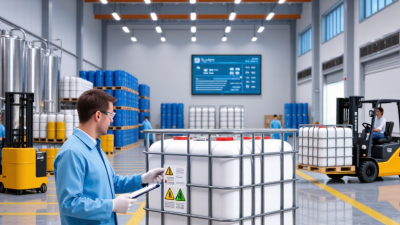
Strong suppliers usually combine application laboratories, regional production, and strict quality systems. Their specialists test viscosity, particle size, thermal stability, and shelf life under realistic conditions. Customer support often includes pilot batches and on-site troubleshooting. Reliable companies also provide clear safety data, traceable raw materials, and documented change-control procedures. These details help manufacturers reduce downtime and protect product performance.

The strongest profiles also show investment in lower-impact processes. They may reduce water use, improve energy efficiency, or develop materials with improved recyclability. Claims require evidence, not attractive language. Independent audits, transparent reporting, and verifiable certifications deserve close attention. No supplier is flawless. A factory can have excellent laboratories but slow regional delivery. Another may offer responsive service but limited backup capacity. This tension deserves honest review.

Experience in specialty chemicals often appears in the questions a supplier asks. Does it understand the customer’s equipment, climate, storage conditions, and regulatory market? The answer can reveal more than a polished brochure. Long-term partnerships depend on practical knowledge, dependable communication, and the willingness to correct mistakes when a formulation fails.

Key Products, Technologies, and Markets Served by Each Supplier

The global top ten specialty chemical suppliers compete through focused technologies, not only volume. Grand View Research valued the specialty chemicals market at about USD 880 billion in 2023. Supplier 1 develops polymer additives for automotive interiors and wiring. Supplier 2 supplies water-treatment membranes and ion-exchange resins. Supplier 3 focuses on high-performance coatings for bridges, wind turbines, and industrial floors. Its advantage is long service life.

Supplier 4 produces electronic-grade solvents and dielectric materials for semiconductor fabrication. Supplier 5 makes catalysts for cleaner refining and low-carbon chemical processing. Supplier 6 provides surfactants, emulsifiers, and rheology modifiers for detergents and personal-care formulations. Supplier 7 serves food, pharmaceutical, and agricultural markets with controlled-release ingredients. Traceability matters here. Supplier 8 specializes in construction chemicals, including tile adhesives, concrete admixtures, and waterproofing systems. Supplier 9 develops battery binders, conductive additives, and thermal-management materials for electric vehicles. Supplier 10 supplies pigments, dispersions, and functional fillers to packaging and printing manufacturers.

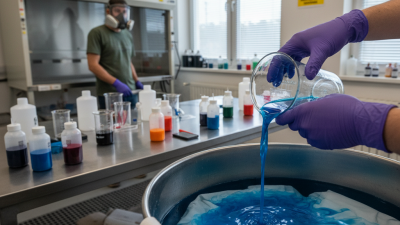
MarketsandMarkets forecasts continued growth in advanced materials, battery chemicals, and water-treatment solutions through the decade. These suppliers increasingly use continuous processing, digital quality monitoring, and lower-temperature manufacturing. Production is becoming more precise. Yet comparisons remain imperfect. Public reports often combine specialty and performance chemicals, which can distort rankings. Customer qualification may also take twelve months or longer, especially in electronics and medical applications. The strongest suppliers usually offer formulation support, regional laboratories, and dependable delivery rather than a single popular product. Their real performance appears on a factory floor, where viscosity, color consistency, and batch stability are tested repeatedly.

Top 10 Specialty Chemicals Suppliers Worldwide? - Key Products, Technologies, and Markets Served by Each Supplier

Supplier ID Key Product Families Core Technologies Primary Markets Served Main Geographic Coverage Notable Capability Areas
Supplier 01 Performance polymers, engineering plastics, polymer dispersions, additives, pigments and intermediates Polymerization, dispersion technology, formulation science, catalytic processes and surface modification Automotive, construction, coatings, packaging, agriculture, electronics and industrial manufacturing Europe, North America, Asia-Pacific, Latin America, Middle East and Africa Large-scale integrated production, application laboratories and circular-material development
Supplier 02 Polyurethane raw materials, performance plastics, elastomers, coatings and construction chemicals Polyurethane chemistry, reaction engineering, thermoplastic compounding and specialty coating formulation Building insulation, refrigeration, footwear, furniture, transportation, renewable energy and industrial equipment Europe, North America, China, Southeast Asia, India and selected emerging markets Energy-efficient insulation systems, lightweight materials and low-emission formulations
Supplier 03 Specialty silicones, silanes, high-performance polymers, additives and health-care materials Silicone polymerization, hydrosilylation, organofunctional silane chemistry and medical-grade compounding Electronics, automotive, personal care, construction, textiles, health care and renewable energy Europe, North America, East Asia and global specialty-material distribution networks High-purity materials, thermal-management solutions and durable surface treatments
Supplier 04 Coating resins, textile chemicals, personal-care ingredients, water-treatment additives and functional materials Emulsion polymerization, surface chemistry, specialty formulation and molecular modification Architectural coatings, industrial coatings, textiles, detergents, cosmetics, water treatment and agriculture Europe, North America, Asia-Pacific and developing industrial markets Bio-based ingredients, resource-efficient processes and specialty surface-performance solutions
Supplier 05 Fluorinated materials, acrylic monomers, high-performance polymers, adhesives and advanced composites Fluorine chemistry, acrylic polymerization, thermoplastic processing, composite formulation and adhesive technology Automotive, aerospace, electronics, batteries, construction, water management and industrial equipment Europe, North America, Japan, China, South Korea and global industrial markets Chemical resistance, lightweighting, low-carbon materials and advanced bonding systems
Supplier 06 Lubricant additives, fuel additives, engineered fluids, thermoplastic modifiers and specialty compounds Additive synthesis, tribology, polymer modification, emulsion technology and formulation engineering Automotive lubricants, industrial machinery, aviation, marine, plastics processing and energy systems North America, Europe, Asia-Pacific, Latin America and the Middle East Fuel efficiency, emissions control, equipment protection and specialty-fluid performance testing
Supplier 07 Surfactants, emulsifiers, polymers, cosmetic ingredients, pharmaceutical excipients and crop-care adjuvants Oleochemistry, esterification, surfactant synthesis, controlled-release technology and formulation science Personal care, home care, pharmaceuticals, food processing, agriculture and industrial cleaning Europe, North America, Asia-Pacific and global consumer-product supply chains Renewable feedstocks, mild-processing systems, biodegradability and regulatory support
Supplier 08 Polyamide and polyester intermediates, specialty fibers, engineering plastics and composite materials Polycondensation, melt processing, fiber spinning, polymer compounding and carbon-fiber composite technology Automotive, aerospace, electronics, sports equipment, textiles, packaging and industrial machinery Asia-Pacific, Europe, North America and international manufacturing markets Lightweight structures, high-temperature polymers, recycled content and advanced fiber systems
Supplier 09 High-performance polymers, specialty fibers, membranes, process chemicals and electronic-grade materials Polymer synthesis, membrane separation, precision coating, fiber formation and high-purity chemical processing Semiconductors, displays, water treatment, health care, aerospace, automotive and energy storage Japan, East Asia, Europe, North America and selected high-technology markets Ultra-high-purity production, separation membranes, heat resistance and precision manufacturing
Supplier 10 Adhesives, sealants, coating resins, specialty elastomers, electronic materials and performance additives Reactive polymer technology, hot-melt processing, moisture-curing systems, encapsulation and surface treatment Packaging, construction, transportation, electronics, medical devices, consumer goods and renewable energy North America, Europe, Asia-Pacific and global industrial distribution channels Fast-curing systems, durable bonding, low-VOC formulations and electronic-component protection

Note: Supplier identifiers are anonymized; the table summarizes established specialty-chemical product categories, technologies and end-use markets without displaying company or brand names.

Trends Shaping the Future of the Specialty Chemicals Industry

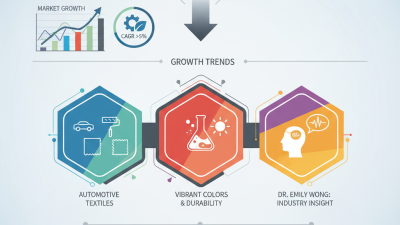
The global specialty chemicals market is shifting from volume competition toward application value. Top suppliers are increasingly judged by performance, consistency, and technical support. Buyers now request detailed product data, safety documentation, and evidence of responsible sourcing. In my experience, a reliable supplier can solve a coating defect faster than a cheaper supplier can explain it.

Decarbonization is reshaping product development. Manufacturers are testing bio-based feedstocks, recycled raw materials, and lower-temperature production methods. Water-based coatings are gaining attention because they can reduce solvent emissions in controlled applications. Battery materials also demand tighter purity standards and stronger traceability. A single batch record may include raw material origin, reactor conditions, and laboratory results. Digital monitoring helps, but human review still matters.

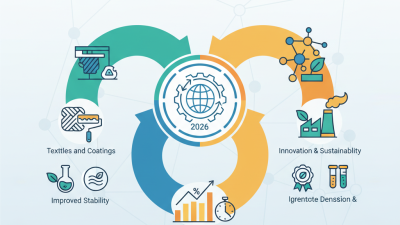
Supply resilience has become equally important. Regional production, dual sourcing, and flexible packaging can reduce delays when ports or energy markets become unstable. However, sustainability claims are not always easy to compare. A lower-carbon product may require more processing or longer transport. Our assumptions can be wrong. Independent audits, lifecycle assessments, and transparent limitations make supplier evaluations more credible. Smaller technical teams may also influence the market by developing additives for recyclable plastics, precision agriculture, and energy-efficient manufacturing. These applications require close testing, not just attractive brochures. Performance must be measured under real temperatures, pressures, and storage conditions.

Enquire Now