Top 10 Aliphatic Polyurethane Paints for Global Buyers?
Aliphatic Polyurethane Paint is gaining traction in various industries due to its outstanding durability and resistance to UV light. According to a recent industry report, the global aliphatic polyurethane market is expected to grow significantly, reaching USD 5.2 billion by 2026. This growth reflects a strong demand for paints that combine aesthetics with protective qualities.
Aliphatic polyurethane paint is renowned for its excellent gloss retention and color stability. This makes it a preferred choice for applications in automotive, aerospace, and industrial sectors. However, while these paints boast remarkable properties, their application can be challenging. Proper surface preparation and environmental conditions are critical for optimal performance.
A few shortcomings persist in the market. Some users report issues with long curing times and varying application methods, which can introduce inconsistencies. As buyers seek top aliphatic polyurethane products, understanding these nuances becomes essential. Exploring the best options can enhance project outcomes and overall satisfaction.
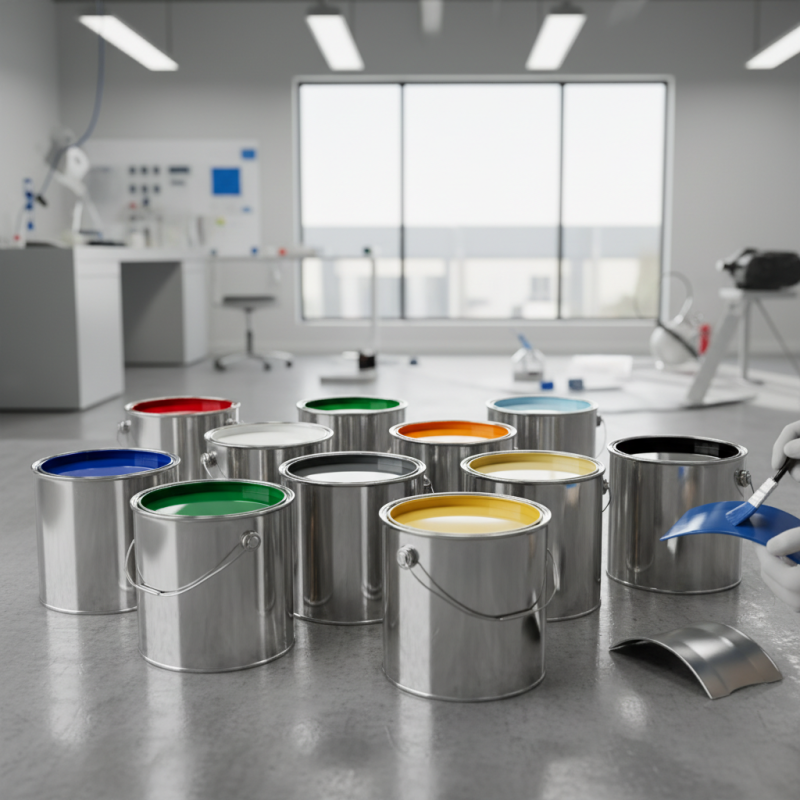
Overview of Aliphatic Polyurethane Paints and Their Applications
Aliphatic polyurethane paints are known for their durability and versatility. They are widely used in various sectors, including automotive, construction, and marine applications. These paints possess excellent adhesion properties and resist weathering, making them suitable for outdoor use. The glossy finish not only enhances aesthetics but also provides a protective layer against UV exposure.
One significant application of aliphatic polyurethane paints is in industrial coatings. They are often utilized to protect equipment and structures from harsh environments. Their ability to withstand abrasion makes them ideal for areas with high traffic. However, the curing time can sometimes be lengthy, which might delay project completion.
Another important usage is in automotive refinish applications. Aliphatic polyurethane paints can provide robust protection to vehicles while allowing for a variety of colors and finishes. Yet, achieving the perfect application can be challenging. Factors such as surface preparation and environmental conditions need careful consideration. Overall, these paints offer significant advantages, but users must be mindful of their limitations and proper application techniques.
Top 10 Aliphatic Polyurethane Paints for Global Buyers
Key Properties and Advantages of Aliphatic Polyurethane Paints
Aliphatic polyurethane paints are becoming increasingly popular in various industries. They are known for their exceptional durability and resistance to UV radiation. According to a recent report from Grand View Research, the global market for polyurethane coatings is expected to reach USD 30 billion by 2025. This growth indicates a rising demand for high-performance coatings that offer superior protection.
One of the key advantages of aliphatic polyurethane paints is their versatility. They can be applied on multiple surfaces, including metal, wood, and plastic. This flexibility allows for a broader range of applications, making them suitable for automotive, aerospace, and building sectors. Additionally, these paints exhibit excellent chemical resistance, providing long-lasting protection against harsh environments. However, proper surface preparation is crucial to achieve optimal adhesion.
Another significant property is their aesthetic appeal. Aliphatic polyurethane paints maintain their gloss and color over time, unlike their aromatic counterparts. A study by Research and Markets highlights that over 60% of professionals prefer aesthetic longevity in their coatings. Yet, solving the challenges of application in extreme temperatures remains a critical area for improvement. It’s essential to remain aware of the specific environmental conditions when selecting these paints.
Top 10 Aliphatic Polyurethane Paints: Product Reviews and Specifications
Aliphatic polyurethane paints are gaining popularity in various industries due to their excellent durability and aesthetic appeal. According to a recent market report, the global aliphatic polyurethane market is expected to grow by approximately 6% annually. This rise is driven by increasing demand from construction, automotive, and furniture sectors. These paints offer superior weather resistance and UV protection, making them ideal for outdoor applications.
When selecting an aliphatic polyurethane paint, consider key specifications such as gloss levels, drying times, and application methods. High-gloss finishes can enhance surface protection, while rapid drying times improve efficiency on job sites. Data indicates that coatings with a lower VOC content are increasingly preferred, reflecting a shift towards more environmentally friendly options. However, potential buyers should remain cautious. Not all “green” claims are backed by rigorous testing.
Tips for selection: check the product’s technical datasheet. This document reveals crucial information about performance characteristics. Look for user reviews and test reports to gauge real-world application results. Additionally, consider application conditions. High humidity can affect drying times and coating integrity. Despite the many advantages of aliphatic polyurethane paints, users often face challenges during application. Make sure to follow recommended guidelines closely for optimal results.
Factors to Consider When Choosing Aliphatic Polyurethane Paints
When choosing aliphatic polyurethane paints, several factors are crucial for making an informed decision. One major aspect is the paint's durability. Aliphatic polyurethane is known for its resistance to UV light and weathering. This makes it suitable for outdoor applications. Pay attention to how the paint performs under various environmental conditions.
Another important consideration is the drying and curing time. Some paints dry quickly, while others may take longer to fully cure. Quick-drying paints can boost efficiency but might sacrifice some durability. It's essential to assess your project timeline. Evaluate your specific needs before choosing a product.
Tips: Always test a small area first. This can show how the paint interacts with the surface. Consider the finish type as well. Glossy finishes may highlight imperfections, while matte can hide them. Think about the application method too. Spraying and brushing can yield different results. Make sure your application method aligns with the paint type.
Finally, evaluate the ease of application and clean-up. Some formulations require special solvents, which can complicate the process. Balancing performance with application convenience can lead to a more satisfying result. Reflect on your own experiences and adjust your choices accordingly.
Market Trends and Future Outlook for Aliphatic Polyurethane Paints
The market for aliphatic polyurethane paints is evolving rapidly. These paints are loved for their durability and UV resistance. With a growing demand in various industries, the future looks bright. Global buyers are beginning to notice the environmental benefits of using such eco-friendly options. Innovations in formulations are also underway, leading to improved performance and lower VOC emissions.
Tips: When selecting aliphatic polyurethane paints, consider the intended application. Some paints perform better in high-traffic areas. Take note of the drying time as well. Fast-drying options might be essential for quick projects.
Another key trend is the rise of customizable colors and finishes. Buyers are seeking personalized solutions that match specific design requirements. This creates opportunities for manufacturers to innovate further. However, it's crucial to ensure that these options do not compromise on quality or durability. Keeping up with these trends will be essential for businesses aiming to thrive in this competitive landscape.

