Top 10 Botanical Extracts for Effective Natural Solutions?
The rise of herbal remedies reflects a growing interest in health and wellness. Botanical Extracts have emerged as powerful tools in this domain. According to a recent market report by Grand View Research, the global botanical extracts market is projected to reach $8.66 billion by 2025. This growth highlights a shift toward natural solutions for health concerns.
Research indicates that consumers are increasingly seeking alternatives to synthetic ingredients. The demand for clean labels drives the popularity of botanical extracts. Many now recognize the effectiveness of these natural substances in addressing various conditions. For example, chamomile is known for its calming properties, while turmeric is celebrated for its anti-inflammatory benefits. However, not all botanical extracts are created equal. The quality and source of these extracts significantly impact their efficacy.
Understanding the potency of botanical extracts is crucial. Factors such as extraction methods and plant freshness play a role in their therapeutic effects. While the potential is immense, it is essential to approach these remedies with discernment. Not every extract may yield the desired results. As the industry evolves, so does the need for transparency and evidence-based approaches in the use of botanical extracts.
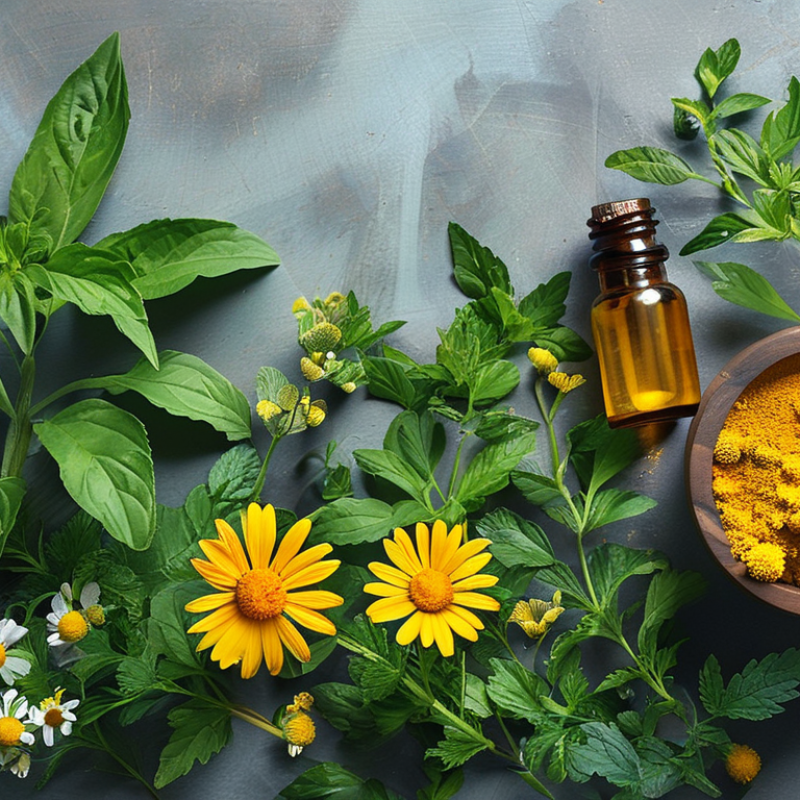
Top 10 Botanical Extracts and Their Proven Benefits in Natural Remedies
Botanical extracts have garnered attention for their therapeutic properties. Many studies highlight their effectiveness in natural remedies. For instance, a report by the National Institute of Health indicates that over 80% of the global population relies on plant-based medicine. This reliance illustrates the trust in nature's power.
Turmeric and its active compound, curcumin, have shown promising results in reducing inflammation. Research published in the Journal of Medicinal Chemistry reveals its ability to alleviate symptoms of arthritis and improve overall joint health. Additionally, peppermint extract is celebrated for its soothing effects on digestion. A clinical study found it significantly reduced symptoms of irritable bowel syndrome in nearly 70% of participants.
While botanical extracts offer natural solutions, quality control remains an issue. Not all products on the market meet the required purity standards. Supervised agricultural methods are crucial to ensure efficacy and safety. Extracts may vary in concentration, affecting their results. This inconsistency demands consumer vigilance and professional consultation before use. Natural does not always mean safe; knowledge is essential.
Analyzing the Scientific Evidence for Botanicals in Health Solutions
In recent years, there has been a resurgence in interest regarding botanical extracts and their potential health benefits. A comprehensive review published in the Journal of Ethnopharmacology noted that many botanical extracts show promising effects on various health conditions. For instance, a study found that curcumin, an extract from turmeric, exhibits anti-inflammatory properties. It significantly reduces markers like C-reactive protein in individuals with chronic inflammation. The potential of botanicals in health is compelling, yet the evidence is often mixed.
With over 30% of people seeking natural remedies, trust in botanicals has grown. However, a closer look reveals inconsistencies. Research published in Phytotherapy Research indicates that not all extracts measure up. For example, while green tea is renowned for its antioxidant properties, some studies show minimal effect on weight loss. Thus, consumers should approach botanical products cautiously and consider their efficacy based on scientific backing.
Healthcare professionals emphasize the need for quality control in the extraction process. Variations in plant species, growing conditions, and extraction methods can significantly impact effectiveness. The inconsistency in research calls for more standardized studies to evaluate the therapeutic potential of these botanicals rigorously. Reliance on anecdotal evidence may lead to disillusionment, highlighting the importance of relying on scientific data to guide health choices.
The Role of Active Compounds in the Efficacy of Botanical Extracts
Botanical extracts have gained traction for their natural health benefits. The efficacy of these extracts often hinges on their active compounds. For instance, studies indicate that certain polyphenols from plants show potent antioxidant activities. Research suggests that plant-derived antioxidants can reduce oxidative stress, influencing various health conditions.
However, the concentration of these active compounds can vary significantly among botanical extracts. A report by the National Institutes of Health highlights the inconsistency in the levels of beneficial phytochemicals. This inconsistency can impact the overall effectiveness of these extracts in therapeutic applications. While users may seek natural solutions, it's crucial to understand that not all botanical extracts deliver the same health benefits.
The extraction and preparation methods also play a critical role. Some methods may preserve more active compounds than others. For example, steam distillation retains certain bioactive compounds better than cold pressing. However, the exact impact of these methods requires further exploration. Understanding these variables can enhance the use of botanical extracts in healthcare settings, making it essential to approach them with both interest and caution.
Integrating Botanical Extracts into Holistic Wellness Practices
Integrating botanical extracts into holistic wellness practices offers a compelling approach to health. These extracts can enhance overall well-being by leveraging nature's power. According to a report by Grand View Research, the global herbal supplements market is expected to reach $8.5 billion by 2026, highlighting increasing consumer interest in natural solutions.
Botanical extracts like chamomile and turmeric have unique benefits. Chamomile supports relaxation, while turmeric has anti-inflammatory properties. A study published in the Journal of Medicinal Food indicates that curcumin, the active compound in turmeric, can significantly reduce inflammation markers. However, it is essential to understand dosage and potential side effects.
Many people overlook the quality of these extracts. Not all products are created equal. Contamination and improper extraction can invalidate their benefits. A systematic review in the Journal of Herbal Medicine suggests that sourcing is critical. It emphasizes the need for third-party testing and quality assurance for effective integration into wellness routines. Exploring these extracts necessitates thoughtful consideration and ongoing education about their effects.
Market Trends and Consumer Interest in Natural Health Products
As consumers become more health-conscious, there’s growing interest in natural health products. The market for botanical extracts is expanding rapidly. Many people are turning to nature for solutions to common health issues. This trend reflects a desire for transparency and sustainability in product ingredients.
Research shows that users often seek recommendations from trusted sources. They want to know about the efficacy and safety of these extracts. Familiarity with plant-based ingredients is key. For instance, extracts like turmeric and ginger have gained popularity for their alleged anti-inflammatory properties. Yet, not all consumers are aware of the differences between extracts and essential oils.
Despite the positive trends, there is still a need for caution. Not all botanical extracts are created equal. Some may lack adequate research or regulation. This can lead to misinformation and misjudged expectations. Educated consumers should seek reliable sources for information. As the industry evolves, clarity and education will be essential for navigating these natural solutions.

