Top 10 Polycarbonate Material Uses for Global Buyers?
Polycarbonate Material has transformed various industries with its unique properties. Experts have highlighted its versatility. Dr. Jennifer Smith, a leading expert in polymer sciences, states, "Polycarbonate material is revolutionizing how we approach design and functionality."
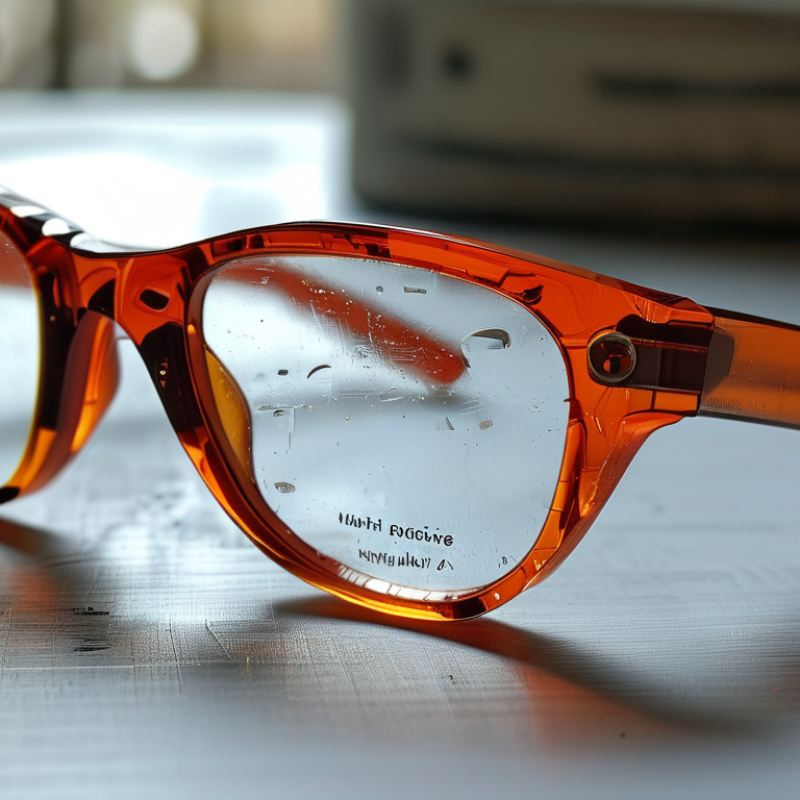
This material's strength, clarity, and lightweight characteristics make it invaluable. It is widely used in areas like eyewear, safety equipment, and electronics. For instance, in eyewear, polycarbonate lenses offer durability without sacrificing comfort. They are lighter than traditional lenses and resistant to impact.
However, its production and recycling present challenges. Many manufacturers still struggle with sustainability issues. As industries shift towards greener solutions, the reliance on polycarbonate must evolve. Therefore, exploring its uses while addressing these shortcomings is crucial for long-term success.
Key Characteristics of Polycarbonate Material
Polycarbonate is a versatile thermoplastic known for its unique characteristics. It is lightweight yet incredibly strong, making it a popular choice in numerous applications. Reports indicate that the global polycarbonate market is expected to reach approximately $20 billion by 2026, driven by its demand in automotive and electronics sectors. The material can withstand impact, temperatures, and UV exposure, setting it apart from other plastics.
Another key feature of polycarbonate is its clarity. It has excellent light transmission properties, comparable to glass. This is why it's frequently used in safety glasses and transparent enclosures. Additionally, its ability to be molded into complex shapes allows for innovative design in consumer products. However, some users may notice that polycarbonate can scratch more easily than glass, requiring protective coatings in some applications.
**Tip:** Consider polycarbonate's UV resistance when selecting it for outdoor applications. **Tip:** Always evaluate the thickness needed for your specific use to optimize strength and weight balance. **Tip:** Keep in mind that while polycarbonate has many advantages, it may require careful handling to avoid surface damage during installation or use.
Common Applications of Polycarbonate in Various Industries
Polycarbonate is a versatile material widely used across various industries due to its durable and lightweight properties. Its applications span from construction to automotive, electronics, and healthcare. According to a report by MarketsandMarkets, the polycarbonate market size is expected to reach USD 3.3 billion by 2025, growing at a CAGR of 6.2%. This highlights the material's rising importance in different sectors.
In construction, polycarbonate sheets find use in roofing, glazing, and wall panels. Their high impact resistance and optical clarity offer practical advantages. For instance, polycarbonate greenhouses utilize the material to maximize light transmission while providing insulation. In the automotive sector, polycarbonate is crucial for making headlight lenses and interior components, improving fuel efficiency through weight reduction. However, the long-term effects of UV exposure on these materials remain a concern.
The electronics industry also benefits significantly from polycarbonate, used in making housings and screens. Its ability to withstand high temperatures allows for safer electronic devices. While it is popular for its strength, manufacturers often contemplate the balance between cost and performance. The challenge lies in enhancing its properties without compromising sustainability. The data reflects a burgeoning interest, yet the industry's quest for innovation continues to evolve.
Top 10 Polycarbonate Material Uses for Global Buyers
| Application | Industry | Description | Benefits |
| Safety Glasses | Optics | Durable eyewear for protection. | Lightweight, shatter-resistant. |
| Lenses for Medical Devices | Healthcare | Used in diagnostic equipment. | Clarity and thermal stability. |
| Protective Covers | Construction | Covering for construction sites. | Weather-resistant and durable. |
| Automobile Parts | Automotive | Used in headlight lenses and dashboards. | Impact resistance and lightweight. |
| LED Light Fixtures | Lighting | Covers for LED lighting solutions. | High light transmission and durability. |
| Glazing Materials | Architecture | Used for windows and partitions. | Thermal insulation and UV protection. |
| Consumer Electronics | Electronics | Casing for various gadgets. | Lightweight and strong. |
| Transparent Armor | Defense | Used in military applications. | Ballistic protection and visibility. |
| Horticultural Panels | Agriculture | Greenhouse coverings. | Light diffusion and insulation. |
| Food Packaging | Food Industry | Containers and lids. | Barrier protection and clarity. |
Benefits of Using Polycarbonate Over Other Materials
Polycarbonate materials are increasingly favored in various applications due to their unique benefits. One major advantage is their high impact resistance. According to a market analysis by Smithers, polycarbonate can withstand impacts over 250 times greater than glass. This property makes it ideal for safety equipment, including helmets and safety goggles.
Another significant benefit is lightweight yet durable nature. Polycarbonate is roughly half the weight of glass, which reduces structural load without compromising safety. In architectural designs, this lightweight characteristic allows for larger spans in roofing and facades. Moreover, polycarbonate sheets can be treated for UV protection, extending their lifespan in outdoor applications.
**Tip:** When selecting polycarbonate for a project, consider the thickness. Thicker polycarbonate can improve insulation and strength while providing better sound dampening.
Despite these advantages, some industries note that polycarbonate can yellow over time with prolonged UV exposure. This drawback necessitates careful selection of coatings. Maintaining transparency is essential for various applications, such as signage and displays.
**Tip:** Always check for UV-stabilized polycarbonate when planning for outdoor use. This simple step can significantly enhance the material's longevity.
Top 10 Uses of Polycarbonate Material
This bar chart presents the top 10 applications of polycarbonate material. Each application showcases the versatility of polycarbonate, highlighting its importance in various industries such as automotive, medical, and construction.
Environmental Considerations and Recycling of Polycarbonate
Polycarbonate is a versatile material widely used across various industries. However, its environmental impact raises important considerations. The production and disposal of polycarbonate can generate significant waste. According to a report by the European Commission, over 90 million tons of plastic are discarded yearly, with only 9% being recycled. Such data highlights the urgent need for effective recycling methods.
Recycling polycarbonate is complex. The material can be recycled multiple times, but the process remains underutilized. A study from the Plastics Industry Association indicates that only about 20% of polycarbonate products are recycled. This inefficiency can lead to increased landfill waste and higher carbon emissions. There are ongoing initiatives to improve recycling technologies and promote a circular economy for plastics.
Consumer awareness plays a crucial role in addressing these challenges. Understanding proper disposal and recycling methods can lead to better recycling rates. Research shows that when consumers are educated, their recycling behaviors improve significantly. The responsibility doesn't lie solely with industries; consumers must actively participate in sustainable practices. The journey toward a more sustainable future for polycarbonate requires collaboration and continuous improvement.
Future Trends in Polycarbonate Material Development and Usage
The future of polycarbonate material development is promising. Industries are increasingly recognizing its versatility. Innovations are being made in thermal resistance and impact strength. These enhancements improve safety in various applications. For example, in construction, polycarbonate panels are becoming a preferred choice. They offer clarity and durability while protecting against UV rays.
Sustainability is another important trend. As environmental concerns grow, manufacturers are looking for greener production methods. Biodegradable polycarbonate options are emerging. These alternatives could reduce plastic waste significantly. However, the technology is still developing. There are challenges in balancing performance and eco-friendliness.
Additionally, advances in manufacturing techniques are crucial. 3D printing with polycarbonate is gaining traction. It allows for intricate designs without compromising strength. Yet, it poses questions about cost efficiency and scalability. Research continues to address these issues. The path forward for polycarbonate materials is filled with potential but remains complex.