Top 5 Specialty Chemicals for Global Procurement Needs?
In today's competitive landscape, specialty chemicals play a pivotal role in multiple industries. These unique compounds, tailored for specific purposes, support the core functionalities of various products. Their applications range from agriculture to electronics, signifying their immense value in global procurement.
Understanding the top specialty chemicals is essential for companies looking to optimize their supply chains. With diverse sectors relying on these chemicals, choosing the right ones can lead to significant cost savings and enhanced product performance. However, navigating the complexities of specialty chemicals requires expertise and careful consideration of market needs.
As procurement professionals explore their options, they must remain aware of potential challenges. The market is filled with many choices, and not every option is suitable. Identifying reliable suppliers and ensuring quality control are paramount. This ongoing quest for the best specialty chemicals requires a continual assessment of evolving needs and innovation trends.

Top Specialty Chemicals Driving Global Procurement in 2023
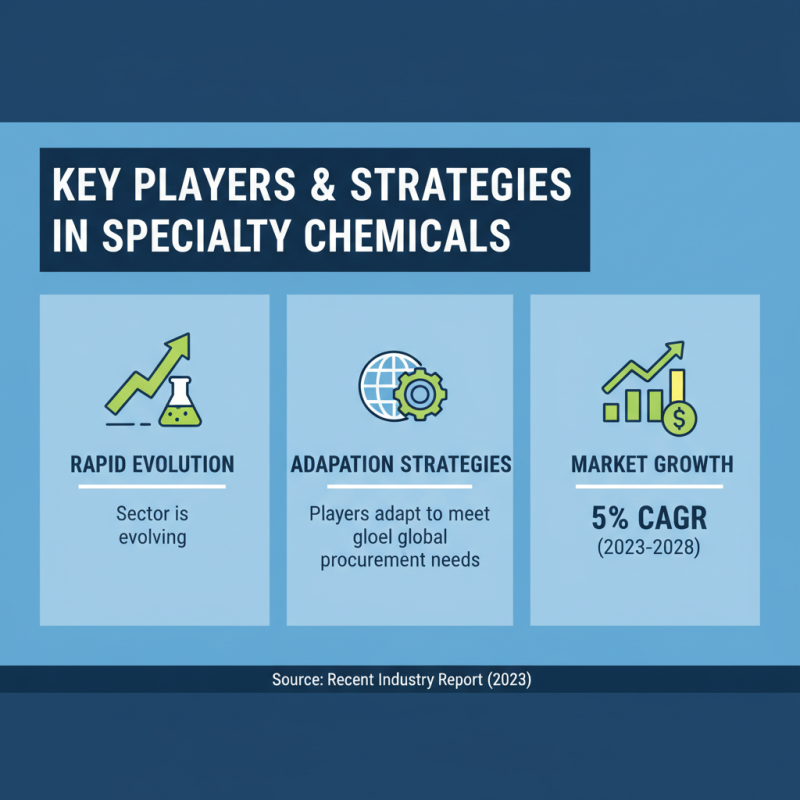
In 2023, the specialty chemicals market is witnessing dynamic shifts driven by various sectors. According to a recent report by Market Research Future, the specialty chemicals market is projected to reach over $1 trillion by 2025. This growth is fueled by increased demand across industries such as automotive, electronics, and pharmaceuticals.
One notable segment is specialty polymers, essential for their versatility in applications ranging from coatings to food packaging. Data shows that specialty polymers are expected to grow at a CAGR of 5.3% from 2023 to 2030. This growth highlights the increasing reliance on lightweight materials that enhance product performance.
Another critical area is surfactants, which are vital for numerous consumer products. The surfactants market is anticipated to surpass $44 billion by 2027. This demand reflects the rise in consumer awareness regarding eco-friendly and sustainable products. However, the market faces challenges due to fluctuating raw material prices and evolving regulatory frameworks. As businesses navigate these complexities, understanding shifts in demand is crucial for effective global procurement.
Market Overview: Global Demand for Specialty Chemicals by Region
The global demand for specialty chemicals is rising across various regions. This growth reflects the increasing need for advanced materials in numerous industries. Emerging economies, particularly in Asia and Africa, are driving this demand. Their industrial expansions pave the way for unique chemical products.
In North America and Europe, the trend leans toward sustainability. These regions are focusing on eco-friendly solutions and innovative manufacturing processes. Specialty chemicals are crucial in achieving these goals. However, challenges remain, including regulatory hurdles and fluctuating raw material costs. Companies must address these areas to stay competitive.
Latin America offers opportunities, yet it faces economic instability. Firms must navigate local challenges while sourcing specialty chemicals. It's a complex landscape that demands careful planning and strategy. Those who can adapt will thrive.
Emerging Trends in Specialty Chemicals for Sustainable Procurement
The specialty chemicals sector is evolving rapidly. Sustainability is at the forefront of procurement needs. A recent report by Grand View Research highlights that the global specialty chemicals market is projected to reach $1 trillion by 2028. This growth is driven by rising demand for eco-friendly products.
Emerging trends reflect a shift in consumer preferences. Manufacturers are increasingly focusing on bio-based chemicals. These alternatives minimize environmental impacts. For instance, a study from Deloitte notes that 50% of companies are prioritizing sustainability in their sourcing strategies. Evaluating suppliers' environmental practices is crucial. It influences procurement decisions significantly.
However, this transition is not without challenges. The availability of sustainable raw materials can be inconsistent. Many producers still rely on traditional processes. This creates a gap between demand and supply. Companies must adapt. Implementing innovative technologies can bridge this divide and enhance procurement strategies. Balancing sustainability goals with operational feasibility remains a persistent issue.
Economic Impact and Price Fluctuations of Specialty Chemicals Globally
The global specialty chemicals market faces significant price fluctuations driven by various factors. Economic conditions heavily influence supply and demand dynamics. For instance, production costs can rise dramatically due to raw material shortages. This can lead to an immediate increase in prices, affecting procurement strategies.
Additionally, geopolitical tensions can have a substantial impact on the availability of chemicals. Sanctions, tariffs, and trade disputes disrupt supply chains and create uncertainty. Companies must stay adaptable to manage these challenges effectively. Fluctuating prices can also incentivize manufacturers to explore alternative sourcing methods. However, this approach carries its own risks, such as quality control issues.
Long-term sustainability remains a concern. Many companies grapple with balancing cost savings and environmental responsibility. As regulatory pressures increase, organizations must rethink their strategies. Investing in sustainable practices may prove costly initially, but it could yield benefits in the long run. The interplay of economic influences and ethical considerations will shape the future of specialty chemicals procurement.