Top Dyes and Pigments Tips for Global Buyers?
Navigating the world of dyes and pigments can be challenging for global buyers. Understanding their properties is essential. These materials are not just about color; they impact texture, durability, and user experience. Buyers need reliable information to make informed decisions.
The market is vast, with countless options available. Quality varies widely, and selecting the wrong product can lead to significant issues. Researching suppliers and understanding their credibility is crucial. Trust in suppliers can often be a gamble, and mistakes can be costly.
Sustainability is another frequent concern. Many buyers are shifting towards eco-friendly dyes and pigments. However, this transition requires careful consideration and due diligence. Not all green options are effective or reliable. Balancing performance and environmental impact is still a work in progress. Global buyers must remain vigilant and informed as they navigate this complex landscape.
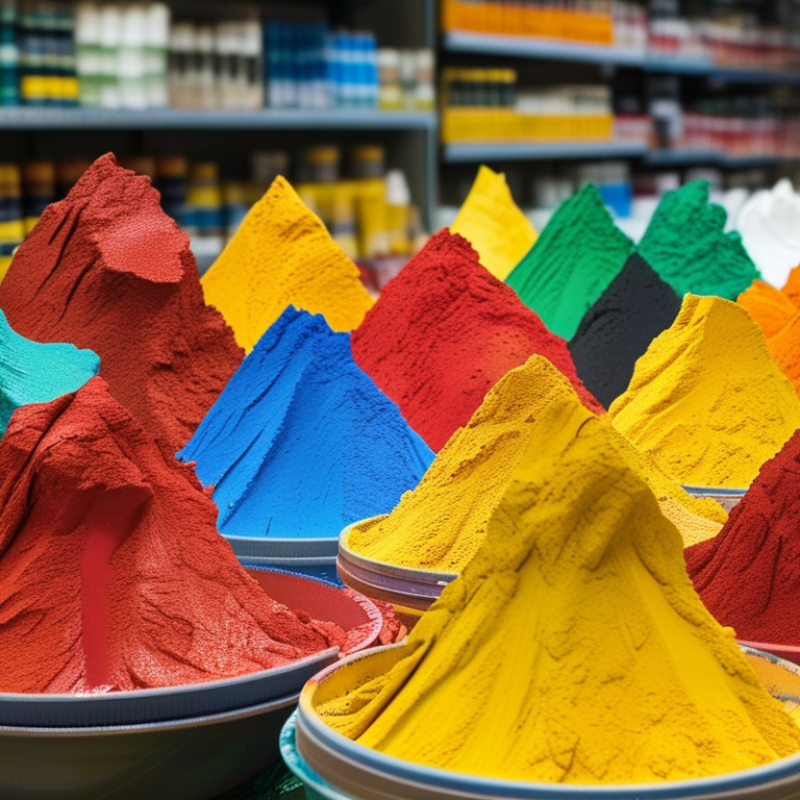
Key Factors to Consider When Sourcing Dyes and Pigments
When sourcing dyes and pigments, several key factors play a crucial role. Quality is paramount. Buyers should focus on suppliers that provide detailed specifications and test results. A survey from the Global Pigments Market Report indicates that quality issues can lead to production delays in up to 30% of cases. This highlights the necessity of rigorous quality checks.
Sustainability has emerged as a significant factor. Eco-friendly options are gaining traction. About 55% of buyers now prefer sustainable dyes, according to recent data. This shift influences sourcing strategies. It reflects a growing awareness of environmental impact within the industry.
Cost considerations also cannot be ignored. Buyers must navigate the balance between price and quality. Low-cost dyes may seem appealing but can compromise product integrity. Data suggests that 40% of companies faced increased costs due to poor-quality pigments. Therefore, thorough research is essential for effective sourcing.
Understanding Different Types of Dyes and Their Applications
Understanding different types of dyes and their applications is vital for global buyers. The global dye and pigment market is projected to grow significantly, reaching around $30 billion by 2025, driven by various industries. Key applications include textiles, food, and cosmetics, each requiring specific dye properties.
For textiles, reactive dyes dominate. They provide excellent color fastness and brightness. A report by Mordor Intelligence indicates that reactive dyes account for approximately 30% of the textile dye market. In contrast, acid dyes are commonly used in leather and nylon, showcasing versatility in their applications. However, these dyes can pose environmental challenges, prompting a need for sustainable options.
Food and cosmetics industries rely heavily on synthetic dyes, which can vary in safety profiles. The Food Colorant Council outlines that natural dyes are increasingly preferred due to health concerns. Despite this trend, synthetic dyes still hold around 75% of the market share. Buyers face the challenge of balancing cost, quality, and environmental impact when choosing dyes. While synthetic options offer durability, they should not overshadow the importance of natural alternatives.
Evaluating Quality Standards and Certifications for Dyes
When evaluating quality standards and certifications for dyes, global buyers must consider various factors. Quality is paramount in the dye industry. Various certifications indicate compliance with international standards. Look for ISO certifications that validate manufacturing processes. These ensure that suppliers adhere to consistent quality measures.
Another vital aspect to consider is the environmental impact of dyes. Certifications like OEKO-TEX indicate products are free from harmful substances. With an increasing emphasis on sustainability, buyers should inquire about eco-labels. This reflects a company's commitment to reducing environmental footprints, which is essential for responsible sourcing.
Choosing suppliers with recognized certifications offers peace of mind. However, it is essential to verify claims. Sometimes, documentation may be inaccurate or exaggerated. Engage in discussions and request test results to ensure that quality meets expectations. By conducting thorough evaluations, buyers can make informed decisions that uphold both quality and safety standards in their purchases.
Top Dyes and Pigments Tips for Global Buyers
| Color |
Type |
Quality Standard |
Certification |
Use Cases |
| Red |
Azo Dyes |
ISO 9001 |
OEKO-TEX® |
Textiles, Paints |
| Blue |
Reactive Dyes |
REACH |
GOTS |
Fabrics, Leather |
| Yellow |
Direct Dyes |
ASTM D6577 |
ISO 14001 |
Cosmetics, Ink |
| Green |
Metallic Dyes |
ISO 45001 |
BSCI |
Automotive, Plastics |
| Black |
Carbon Black |
EN 71-3 |
CE |
Plastics, Coatings |
Cost Analysis: Budgeting for Dyes and Pigments Purchases
When budgeting for dyes and pigments, it’s crucial to analyze market trends and data. The global dyes and pigments market was valued at approximately $30 billion in 2022 and is expected to grow by 5% annually. This growth impacts pricing strategies. Continuous fluctuations in raw material costs can lead buyers to rethink their sourcing options.
Understanding cost drivers is key. Natural dyes often have a higher initial cost but can yield better returns. Published reports show natural pigments can lead to savings of 20% in long-term production costs. Buyers need to evaluate these parameters closely, as not all suppliers offer the same value.
Additionally, logistical expenses can add significant costs. A recent survey indicated that transportation accounts for nearly 15% of total expenses in dye procurement. This means choosing local suppliers might sometimes be more economical. Buyers should weigh these factors to create a balanced commodity budget while ensuring quality and compliance with industry standards.
Cost Analysis of Dyes and Pigments Purchases
Sustainability Practices in the Dyes and Pigments Industry
The dyes and pigments industry faces increasing pressure to adopt sustainable practices. In a recent report by Smithers, global demand for sustainable dyes is projected to grow by over 25% by 2026. This trend reflects consumer preferences for eco-friendly products. Companies are now exploring natural dyes and alternative synthetic processes to reduce environmental impacts.
Water management is critical in dye production. According to the International Journal of Color Science, textile dyeing consumes around 1.5 trillion liters of water annually. This excessive usage highlights the industry's need for better practices. Advanced technologies are being developed to minimize water consumption and improve wastewater treatment. However, implementing these technologies can be costly and require time.
Recycling scraps and wastewater is another area needing improvement. A significant percentage of waste goes untreated, which causes pollution. The European Union's Green Deal emphasizes the need for better waste management strategies. Industries must work towards circular economy approaches. Achieving sustainability requires continuous effort and innovation. The complexities involved pose challenges, but the potential environmental benefits are profound.