How to Use Solvent Dye Powder for Vibrant Coloring Projects?
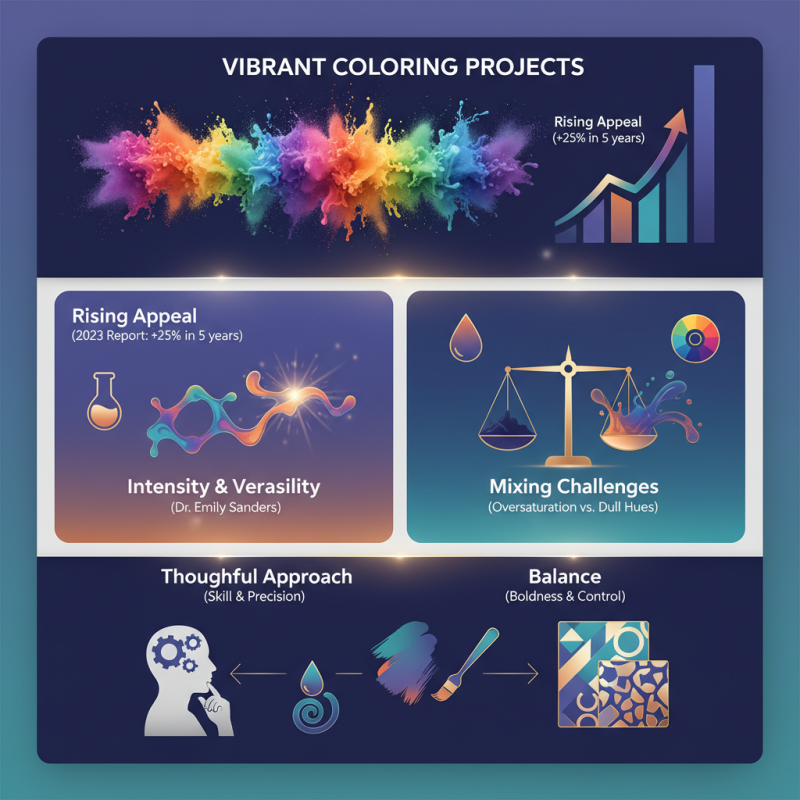
In the vibrant world of color applications, using solvent dye powder has become increasingly popular among artists and manufacturers. This versatile medium offers a unique way to achieve vivid colors that are durable and long-lasting. According to a 2023 report from the Colorant Research Institute, solvent dye powder usage has grown by 25% over the past five years, highlighting its rising appeal in various industries.
Expert in color chemistry, Dr. Emily Sanders, emphasizes, "Solvent dye powder opens doors to creativity, offering unmatched intensity and versatility." However, this medium isn’t without its challenges. Achieving the perfect mix can be tricky, often requiring careful experimentation to avoid oversaturation or dull hues. It's essential to understand the nuances of application to ensure optimal results.
While some may rush into projects, a thoughtful approach often yields the best outcomes. The potential for beautiful, eye-catching designs is significant, but so is the need for skill and precision. As more artists embrace solvent dye powder, they must also reflect on the balance between boldness and control in their work.
Understanding Solvent Dye Powder and Its Applications
Solvent dye powder is a versatile coloring medium, perfect for various projects. It offers striking colors that can be used on numerous surfaces. Artists and crafters appreciate its ability to deliver vibrant hues. This dye mixes easily with different solvents, enhancing its usability.
Using solvent dye powder requires some careful considerations. When mixing, always wear protective gloves and eyewear. The process can create fumes, so work in a well-ventilated area. Experimenting with different solvent ratios can lead to exciting results. Yet, achieving the desired shade may demand multiple tries. Sometimes, the outcome doesn't match your vision. That's part of the creative journey.
Many applications exist for solvent dye powder. It's popular in leather crafting, woodworking, and plastics. When applied correctly, it can penetrate materials deeply, resulting in long-lasting color. However, some surfaces may resist dye, leading to uneven coloring. Anticipating these challenges can help refine your technique. Embrace trial and error as you explore this dynamic medium.
Choosing the Right Solvent Dye Powder for Your Project
Choosing the right solvent dye powder for your project can make all the difference.
Start by considering the materials you will be dyeing. Different fabrics and surfaces respond variably to certain dyes. For instance, nylon, wood, and leather often require specific types of dye for optimal results. Look at the dye's solubility before making a choice. Some dyes dissolve better in certain solvents. This can affect the overall vibrancy of your finished piece.
Next, think about the color palette you want to achieve. Many solvent dye powders appear vibrant in their containers but can change when applied. Testing a small sample can prevent disappointing outcomes later. It’s also wise to consider the opacity of the dye. Some dyes are transparent, leading to softer colors, while others are opaque and deliver bold hues. Your preference will shape the final look of your project.
Lastly, reflect on your intended use. Are you working on a craft, an art piece, or functional items? This can influence your dye selection. If it's for a wearable item, choose a dye that maintains its color over time. Experimentation is key, but it comes with a learning curve. Don’t be afraid to make mistakes, as they often lead to unexpected and beautiful results. Embrace the process, and allow your creativity to shine through imperfections.
Preparing Your Materials for Optimal Dyeing Results
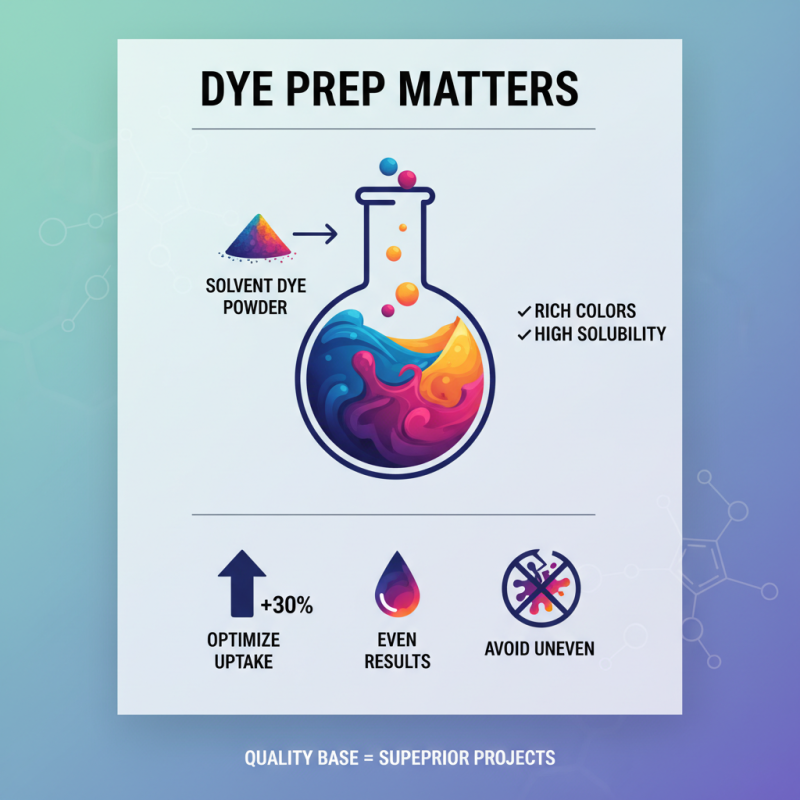
Preparing your materials for dyeing can significantly impact your coloring projects. Start with high-quality solvent dye powder that offers rich colors. Familiarize yourself with its properties. Solvent dyes are known for their vibrant hues and excellent solubility in various hydrocarbons. According to industry data, using the right base can increase dye uptake by up to 30%. However, improper preparation can lead to uneven results.
Before you begin, ensure your work area is clean and well-ventilated. Gather your materials: mixing containers, stirring tools, and protective gear. This setup minimizes contamination and ensures safety. Some might not consider wearing gloves. But, they protect your skin from potential irritation. A well-prepared space makes the process smoother and more enjoyable.
Tips for optimal dyeing: always use precise measurements for the dye and solvent. A small error can affect the final color. Mix thoroughly to avoid clumps. If you find the color too dark, remember, you can dilute it. Sometimes, less is more. Experiment with different ratios before committing to larger projects. Adjusting your approach can lead to serendipitous results. Embrace the creative process!
Step-by-Step Process for Using Solvent Dye Powder
Using solvent dye powder for coloring projects can yield stunning results. The process, however, requires careful attention to detail. To get started, gather your materials: dye powder, solvent, gloves, and containers. Make sure you're in a well-ventilated area. Proper ventilation is crucial, as solvent fumes can be harmful.
Begin by measuring the dye powder accurately. Industry reports suggest that a concentration of about 10-15% dye to solvent produces vibrant results. Mix the dye with the designated solvent in a clean container. Stir thoroughly until fully dissolved. Note that any undissolved particles can lead to uneven coloring. This step demands patience.
Next, apply the dye mixture to your material. Use brushes, sprays, or immersion methods, depending on your project. Be mindful of your application technique. Uneven application often results in patchy colors. If you find the color too light, you can always apply another layer. However, it's essential to reflect on what worked and what didn't for future projects. Proper drying time also plays a significant role in the final outcome. Allow your piece to dry completely to achieve vibrant and long-lasting colors.
How to Use Solvent Dye Powder for Vibrant Coloring Projects
| Step |
Materials Needed |
Instructions |
Tips |
| 1 |
Solvent dye powder, mixing container, stirring stick |
Measure the appropriate amount of solvent dye powder needed based on your project. |
Use gloves to protect your hands. |
| 2 |
Solvent (such as acetone or alcohol) |
Add an appropriate amount of solvent to the mixing container. |
Ensure proper ventilation when working with solvents. |
| 3 |
Coloring material (fabric, plastic, etc.) |
Slowly stir the dye powder into the solvent until fully dissolved. |
Start with a small amount of dye and add more for deeper color. |
| 4 |
Protective gear (gloves, mask) |
Submerge the item you wish to color in the mixture, ensuring full coverage. |
Test a small area first to see how the color turns out. |
| 5 |
Water for rinsing |
Remove the item and rinse with water to set the color and remove excess dye. |
Allow the item to dry completely before further use. |
Safety Tips and Best Practices When Handling Dyes
When handling solvent dye powder, safety is paramount.
Always wear gloves and a mask. The particles can easily become airborne, causing respiratory issues. Work in a well-ventilated area to minimize inhalation risks. Eye protection is also crucial to prevent irritation.
Tips: Keep water nearby. In case of spills, clean immediately. Avoid using your hands directly to handle powders. Instead, use a scooping tool. This can reduce direct contact with your skin.
Further, always check the material safety data sheet (MSDS) for the dye you use. It provides detailed information about safe handling. Some dyes can be hazardous. Use a simple container for waste disposal. Never pour used dye down the drain.
Pay attention to your workspace. After finishing your project, clean surfaces with appropriate materials to prevent contamination. Mistakes happen, like dye stains on your hands. Reflect on how to avoid this in future projects. It’s all part of the creative journey.