

What Are the Top 10 Types of Pigment Dye?
Choosing a pigment dye is not simply a matter of picking a color. In textiles, pigments are generally insoluble colorants fixed to fibers with a binder, while conventional dyes typically color fibers through different chemical interactions. The terms are sometimes used loosely. That distinction matters.
The scale of textile production makes these choices consequential. Textile Exchange’s Materials Market Report 2024 estimates that global fiber production reached 124 million tonnes in 2023. The report also projects continued growth, underscoring the need to consider coloration, durability, and material use together. This figure describes the wider fiber market, not pigment dye consumption specifically. It is useful context, not proof that one colorant is always better.
This guide introduces ten commonly discussed pigment types, including organic and inorganic families, and explains where their properties can matter in textile and industrial applications. Expect differences in color strength, lightfastness, heat resistance, opacity, and processing needs. A bright shade on a cotton T-shirt may behave differently from the same shade in a plastic coating. Small details count. The ranking is a practical overview, not a universal industry standard; terminology and performance can vary by supplier, formulation, and test method. Some categories overlap, too. That can be confusing, and it deserves a closer look.
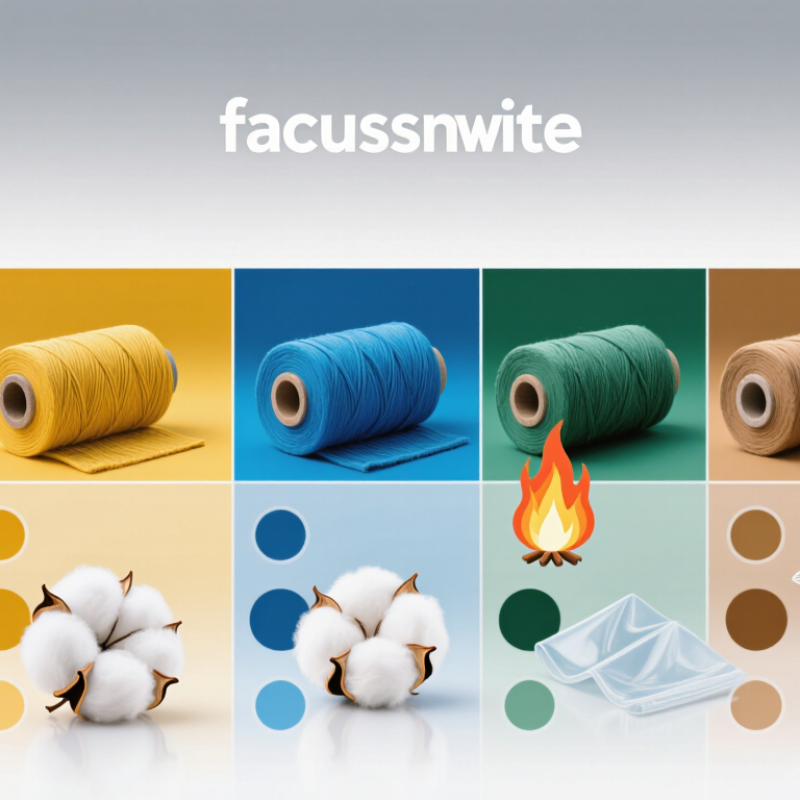
Define the Top 10 Pigment Types by Color Index and Insolubility
“What Are the Top 10 Types of Pigment Dye?”
Pigments are generally insoluble colorants: they remain as fine solid particles dispersed in a medium, rather than dissolving like many dyes. Color Index International classifies pigment families by prefixes: PW (white), PBk (black), PY (yellow), PO (orange), PR (red), PV (violet), PB (blue), PG (green), PBr (brown), and PM (metallic). These codes identify broad color classes, not a pigment’s full chemistry or performance. That distinction matters.
For example, a white pigment may provide opacity in a wall coating, while a black pigment can deepen ink on paper. Yellow, orange, red, violet, blue, and green pigments offer distinct color ranges; brown and metallic pigments serve other visual effects. Their insolubility can support durability, but particle size, dispersion, binder, and substrate all affect the finished shade. Grand View Research’s 2023 pigments market report estimated the global market at USD 27.5 billion, reflecting broad industrial use—not a ranking of these ten classes.
Tips: Check the Color Index name and product datasheet together. Test a small sample on the actual material. A code alone cannot predict lightfastness or opacity. Honestly, pigment selection still involves trade-offs: a vivid shade may need more careful dispersion.
What Are the Top 10 Types of Pigment Dye? — Top Pigment Types by Color Index and Insolubility
| Pigment Type | Color Index Name | Typical Color | Pigment Chemistry | Insolubility and Key Characteristics | Common Uses |
|---|---|---|---|---|---|
| Titanium White | Pigment White 6 (PW 6) | Bright white | Titanium dioxide (TiO₂) | Insoluble in water and most common solvents; provides strong opacity and high refractive power. | Paints, coatings, plastics, printing inks, and artists’ materials. |
| Zinc White | Pigment White 4 (PW 4) | White | Zinc oxide (ZnO) | Insoluble in water; less opaque than titanium dioxide and can react with some acidic materials. | Paints, artists’ colors, rubber, and specialty coatings. |
| Carbon Black | Pigment Black 7 (PBk 7) | Black | Elemental carbon produced as finely divided particles | Practically insoluble in water and common solvents; offers strong tinting strength and light absorption. | Printing inks, paints, plastics, and rubber products. |
| Red Iron Oxide | Pigment Red 101 (PR 101) | Red to reddish brown | Iron(III) oxide (Fe₂O₃) | Insoluble in water and most solvents; generally durable, opaque, and resistant to light and weathering. | Construction coatings, paints, ceramics, and artist pigments. |
| Yellow Iron Oxide | Pigment Yellow 42 (PY 42) | Yellow to ochre | Hydrated iron(III) oxide, commonly described as goethite-based | Insoluble in water and common solvents; provides an earthy hue and good weather resistance. | Building materials, paints, coatings, and ceramics. |
| Ultramarine Blue | Pigment Blue 29 (PB 29) | Blue | Sulfur-containing sodium aluminosilicate | Insoluble in water and common solvents; acid-sensitive, so it is unsuitable for some acidic formulations. | Paints, plastics, printing inks, paper, and artists’ colors. |
| Phthalocyanine Blue | Pigment Blue 15 (PB 15) | Blue to greenish blue | Copper phthalocyanine | Insoluble in water and most solvents; typically has high color strength and good lightfastness. | Printing inks, paints, plastics, and coatings. |
| Phthalocyanine Green | Pigment Green 7 (PG 7) | Strong green | Chlorinated copper phthalocyanine | Insoluble in water and most solvents; generally offers high tinting strength and strong light and weather resistance. | Paints, printing inks, plastics, and industrial coatings. |
| Quinacridone Magenta | Pigment Red 122 (PR 122) | Magenta to bluish red | Quinacridone organic pigment | Insoluble in water and common solvents; a high-performance organic pigment with good lightfastness. | Automotive and industrial coatings, printing inks, plastics, and artists’ colors. |
| Monoazo Yellow | Pigment Yellow 74 (PY 74) | Bright yellow | Monoazo organic pigment | Insoluble in water; supplied as solid pigment particles, though durability and solvent resistance depend on the formulation. | Printing inks, paints, coatings, and selected plastics applications. |
Color Index classifications identify pigment types, not brands. Pigments are generally insoluble colorants dispersed as solid particles; exact performance and resistance can vary with grade, particle size, and formulation.
Related Posts
-
10 Best Pigment Dye Methods for Vibrant Color in Fabrics and Crafts?
-
Top Pigment Dye Manufacturers for Global Buyers
-
How to Choose the Right Solvent Colour for Your Art Projects?
-
How to Find Reliable Organic Dye Suppliers
-
10 Essential Tips for Safely Using Chemical Dye in Your Projects?
-
How to Use Solvent Dye Powder for Vibrant Coloring Projects?