Who Are the Top All Chem Manufacturers in China?
Who are the top all chem manufacturers in China? The answer depends on what buyers value most. Production scale matters, but it cannot replace consistent quality, transparent documentation, and dependable delivery. This introduction examines manufacturers through practical business criteria rather than promotional claims. It considers product range, technical support, plant capacity, quality systems, and export experience.
Reliable manufacturers usually provide clear specifications, certificates of analysis, safety data sheets, and traceable batch records. Their facilities may show controlled storage areas, calibrated testing equipment, and dedicated quality laboratories. Certifications such as ISO 9001 or ISO 14001 can support credibility, but certificates alone prove little. Buyers should also review audit results, sample performance, complaint handling, and production continuity.
Look beyond polished websites.
The strongest all chem suppliers often explain their raw material controls, testing methods, and delivery safeguards in specific terms. They can discuss purity limits, packaging options, lead times, and technical application support without avoiding difficult questions. Some companies serve pharmaceutical, agricultural, coating, water-treatment, or industrial markets. Their suitability depends on compliance requirements and end use.
No ranking remains permanent. Prices change. Capacity changes. Regulations change. A manufacturer trusted last year may need fresh verification today. This guide therefore treats “top” as a working assessment, not an absolute label. It encourages readers to compare verified evidence, request current documents, and conduct appropriate supplier due diligence. That approach is less dramatic, but it is more useful for responsible sourcing and long-term partnerships in China’s chemical manufacturing sector.
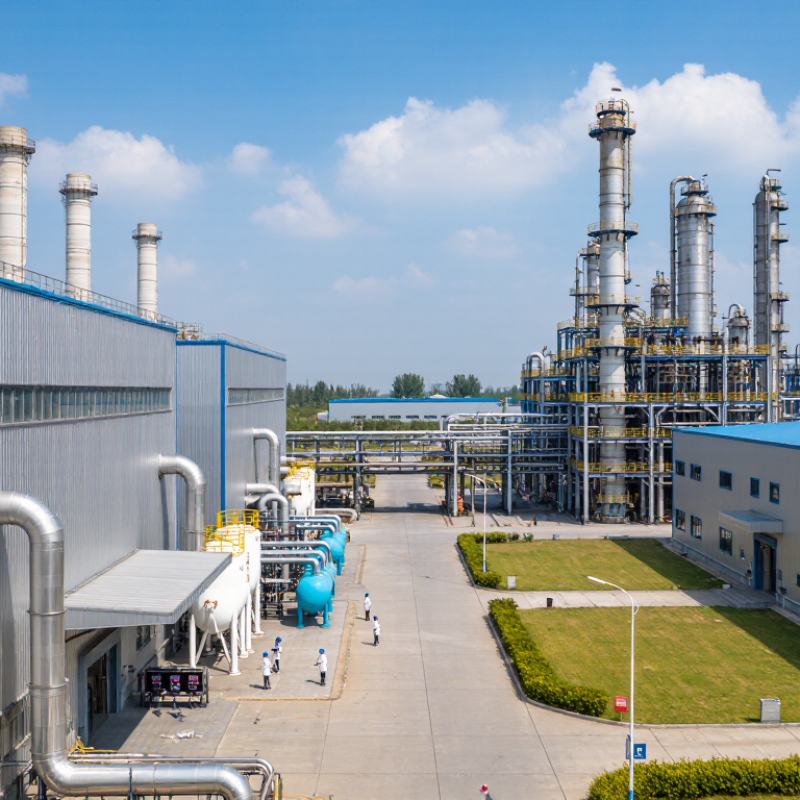
What Defines a Leading Chemical Manufacturer in China?
A leading chemical manufacturer in China is defined by more than production capacity. It combines consistent quality, strong technical knowledge, and transparent communication. Experienced teams should control raw materials, reaction conditions, temperature records, and final packaging. A reliable factory can provide batch numbers, certificates of analysis, and traceable production records. These details matter when a small variation affects performance, safety, or processing costs.
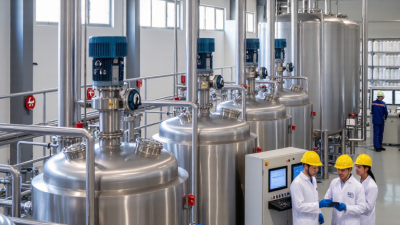
Professional manufacturers also invest in laboratories and trained engineers. They test samples before shipment, not only after complaints. Site audits should reveal clean storage areas, calibrated instruments, clear labels, and controlled access. Environmental management is equally important. Responsible facilities monitor wastewater, emissions, energy use, and waste handling under applicable regulations. Certifications can support credibility, but documents alone do not prove daily performance. Real evidence comes from stable deliveries and honest corrective actions.
Tips: Request a recent sample, technical data sheet, and quality report before placing a large order. Ask how the factory handles failed batches and customer complaints. Review lead times carefully. A low price may hide weaker testing or inconsistent materials. No supplier is flawless. Even strong manufacturers can experience delays, equipment faults, or communication gaps. That is why practical buyers compare records, visit facilities when possible, and keep written specifications. Trust should be built gradually, through measurable results rather than confident promises.
Which Companies Rank Among China’s Top All Chem Manufacturers?
China’s top all-chem manufacturers are best judged by capability, not visibility. Strong candidates usually produce several chemical categories while maintaining consistent quality. They may supply industrial additives, solvents, water-treatment materials, coatings ingredients, or laboratory-grade products. A broad portfolio alone proves little.
Which companies rank among China’s top all-chem manufacturers? The answer depends on measurable evidence. Buyers should review production capacity, quality systems, export experience, and technical support. Useful proof includes recent certificates, batch records, safety data sheets, and clear inspection procedures. A dependable manufacturer should explain raw material sourcing and respond quickly to technical questions. Sample testing matters too. One successful sample is not enough.
Tips: Ask for a current certificate of analysis, not an old template. Check whether packaging suits your transport route and storage temperature. Confirm lead times in writing. Visit the facility when order volume justifies the cost. An independent laboratory can verify critical specifications. No ranking is perfect. Some smaller producers may offer stronger technical service than larger factories, while public information can remain incomplete. That weakness deserves attention before signing a long-term supply agreement.
What Products and Technologies Do These Manufacturers Provide?
China’s leading chemical manufacturers supply a broad range of industrial materials. Their portfolios often include solvents, polymer resins, coatings, adhesives, surfactants, and water-treatment chemicals. Many also produce specialty additives for electronics, construction, packaging, textiles, and automotive applications. Product quality depends on stable formulations, clean raw materials, and controlled production conditions.
Modern facilities use continuous reactors, automated dosing systems, and computer-based process monitoring. These technologies help control temperature, pressure, viscosity, and batch consistency. Advanced plants may apply membrane filtration, catalytic processing, solvent recovery, and low-emission drying methods. Some manufacturers provide custom synthesis, pilot-scale trials, technical documentation, and application testing. This support matters when a material must perform under heat, moisture, or mechanical stress.
In supplier evaluations, buyers should inspect certifications, laboratory records, traceability systems, and independent test results. Factory visits can reveal details that online catalogs miss, such as storage conditions and sampling discipline. Not every advanced claim is equally reliable. A polished brochure proves little. One overlooked issue is after-sales technical support, especially during formulation changes or production delays. Experienced manufacturers usually explain limitations clearly and provide consistent safety and handling data. Yet even strong suppliers can improve; energy use, waste reduction, and transparent reporting remain unfinished tasks.
Who Are the Top All-Chem Manufacturers in China?
Selected products and technologies represented by China’s chemical manufacturing sector, based on 2023 national production volumes. Company and brand data are excluded.
What these manufacturers provide: bulk inorganic chemicals, petrochemical intermediates, polymers, synthetic rubber, fertilizers, and process technologies including continuous production, catalytic conversion, polymerization, chlor-alkali electrolysis, emissions control, and energy-efficiency systems. Values are rounded estimates in million metric tonnes for 2023 and reflect sector output rather than individual companies.
Source: China National Bureau of Statistics and publicly reported 2023 industrial production data; figures are rounded for visualization.
How to Compare China’s Leading All Chem Manufacturers
Who Are the Top All Chem Manufacturers in China?
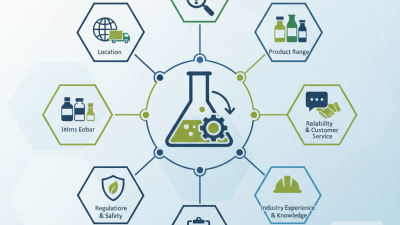
Comparing China’s leading all-chem manufacturers requires more than checking product prices. A reliable review should examine product range, technical depth, quality systems, and production stability. Look for clear specifications, batch records, and updated safety data sheets. A capable manufacturer should explain raw material controls, testing methods, and storage conditions without avoiding difficult questions.
Tips: Request samples from the same production line. Compare purity, color, viscosity, and packaging condition. Ask for recent certificates, audit reports, and export experience in your target market. Confirm whether the factory can support your required volume, delivery schedule, and customization needs. A video call can reveal useful details, such as laboratory equipment and warehouse organization.
I would also assess communication after the quotation. Fast replies are helpful, but accurate replies matter more. Ask technical questions about impurities, shelf life, and quality deviations. The strongest suppliers usually provide traceable documents and a practical corrective-action process. However, no scorecard is perfect. A polished presentation may hide weak production controls, while a smaller factory may offer better technical attention. Independent testing remains wise before a long-term contract, especially when performance depends on tight specifications. Consider total cost, not only the invoice price. Delays, rejected batches, and unclear documentation can become expensive very quickly.