Top Uses of Solvent Dye Powder in Industries Today?
In today's industrial landscape, solvent dye powder plays a crucial role. Various sectors utilize this versatile material for its vivid colors and excellent stability. Manufacturers rely on solvent dyes for numerous applications, from textiles to plastics.
The growth of e-commerce has increased demand for high-quality products. Companies seek reliable solutions that enhance their goods. Solvent dye powder meets these needs, providing vibrant hues and superior performance. It is essential to understand how this powder enhances product appeal.
However, challenges remain. The choice of dye must align with sustainability goals. Additionally, the application techniques can vary significantly across industries. Evaluating the best methods and materials is important for long-term success. Understanding these factors will guide industries in maximizing the benefits of solvent dye powder.
Overview of Solvent Dye Powder and Its Characteristics
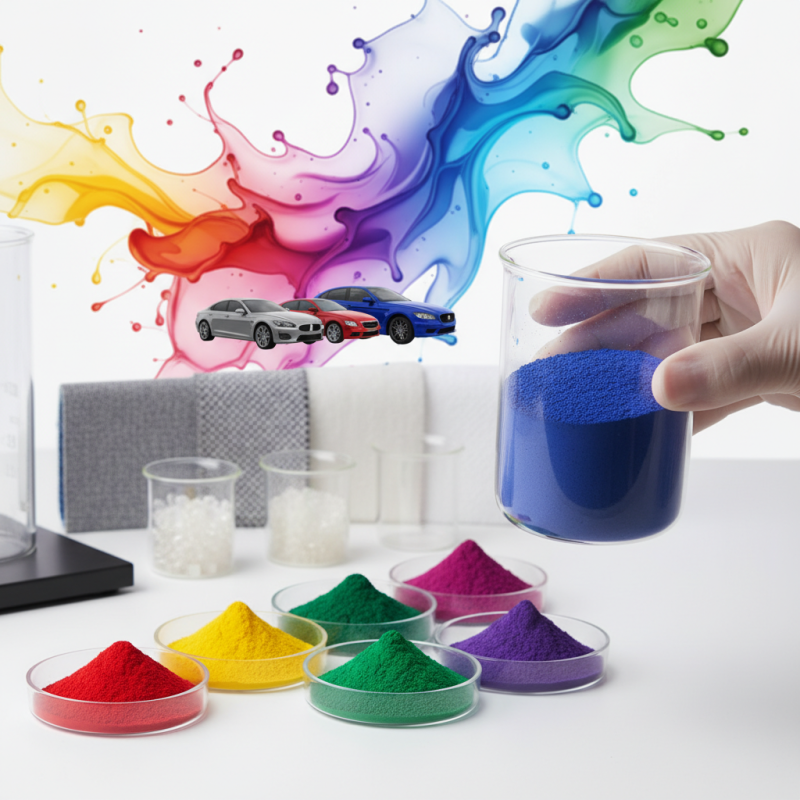
Solvent dye powder is a versatile coloring agent widely used in various industries. It is characterized by its excellent solubility in organic solvents and its vibrant color range. These dyes display strong lightfastness and stability, making them suitable for applications involving intense exposure to sunlight or heat. Many manufacturers favor solvent dye powder for its ability to create vivid colors without compromising product quality.
In the textile industry, solvent dye powders are often employed to enhance the aesthetics of synthetic fabrics. They allow manufacturers to achieve deep, rich hues that are not easily attained with other dye types. Additionally, the automotive sector utilizes these dyes for coloring plastics and coatings, enhancing the visual appeal of vehicles. However, handling these dyes requires caution due to potential health risks associated with inhalation and skin contact. Ensuring adequate ventilation and protective gear becomes crucial in industrial settings.
While solvent dye powders exhibit remarkable properties, their environmental impact cannot be overlooked. The use of organic solvents poses challenges in terms of emissions and waste management. Industries must weigh the advantages of vibrant colors against their ecological footprint. Safeguarding both human health and the environment calls for responsible practices and innovative solutions in dye application.
Key Industries Utilizing Solvent Dye Powder Today
Solvent dye powder finds diverse applications across various industries. The textile industry is one of the primary sectors utilizing these dyes. They provide vibrant colors and excellent fastness properties for fabrics. This versatility makes solvent dyes popular in both natural and synthetic materials. However, dyeing processes can sometimes lead to waste if not managed properly.
Another key industry benefiting from solvent dye powder is plastics. These dyes enhance the appearance of plastic products, making them visually appealing. Achieving uniform color can be challenging. In some cases, manufacturers may notice color inconsistencies due to improper mixing techniques. Addressing these issues requires expertise and testing.
Additionally, the automotive sector utilizes solvent dye powder for interior and exterior components. These dyes improve aesthetics and durability. The application process must be precise, as improper usage may lead to fading over time. Companies are always seeking better practices for application to enhance long-term performance. The ongoing research in dye technologies indicates potential improvements in this area.
Applications of Solvent Dye Powder in Textile Manufacturing
Solvent dye powders play a crucial role in textile manufacturing. They offer vibrant colors and exceptional transparency, making them a popular choice among manufacturers. According to a recent market report, the global textile dye market reached approximately $22 billion in 2022. A significant share is attributed to solvent dyes due to their unique properties. These dyes excel in dyeing synthetic fibers like polyester and nylon, which dominate the market.
One of the major advantages of solvent dye powders is their ability to provide high colorfastness. This leads to textiles that maintain their color over time, even after repeated washing. The penetration of these dyes into fiber structures ensures long-lasting vibrancy. Furthermore, the ease of application saves time and resources in the manufacturing process. However, reliance on solvent dyes also brings challenges, such as environmental concerns regarding VOC emissions. Manufacturers must balance color quality with sustainability.
Moreover, the speed and efficiency of dyeing processes using solvent dyes should not be overlooked. A report indicates that solvent dyeing can reduce processing time by up to 30%. Yet, this efficiency comes with the need for rigorous safety measures. Workers must handle these dyes with care, as they can be hazardous. While solvent dye powders offer significant advantages in textile production, manufacturers face ongoing challenges regarding safety and environmental impact.
Role of Solvent Dye Powder in Coatings and Paints Industry
Solvent dye powders play a critical role in the coatings and paints industry. These dyes provide vibrant colors, enhancing the aesthetic appeal of products. According to a recent market analysis, the demand for solvent dyes is expected to grow by 4.5% annually. This growth is driven by the increasing need for high-quality finishes in industrial applications.
In coatings, solvent dye powders are prized for their exceptional solubility and stability. They disperse evenly, allowing for uniform coloration. This is crucial for manufacturers who require consistent quality across batches. Challenges do exist, however. Some dyes may fade under UV light, prompting companies to invest in protective additives. A study from a leading chemical society identified that nearly 30% of colorants used in coatings lack sufficient lightfastness.
Additionally, the environmental impact of certain solvent dyes raises questions for sustainability. The industry is moving toward eco-friendly alternatives. A shift is occurring, yet many manufacturers still rely on traditional solvent dyes. This reliance highlights the tension between immediate needs and long-term sustainability goals. Balancing performance with environmental responsibility remains a pressing issue in the coatings sector.
Environmental Considerations and Safety in Using Solvent Dyes
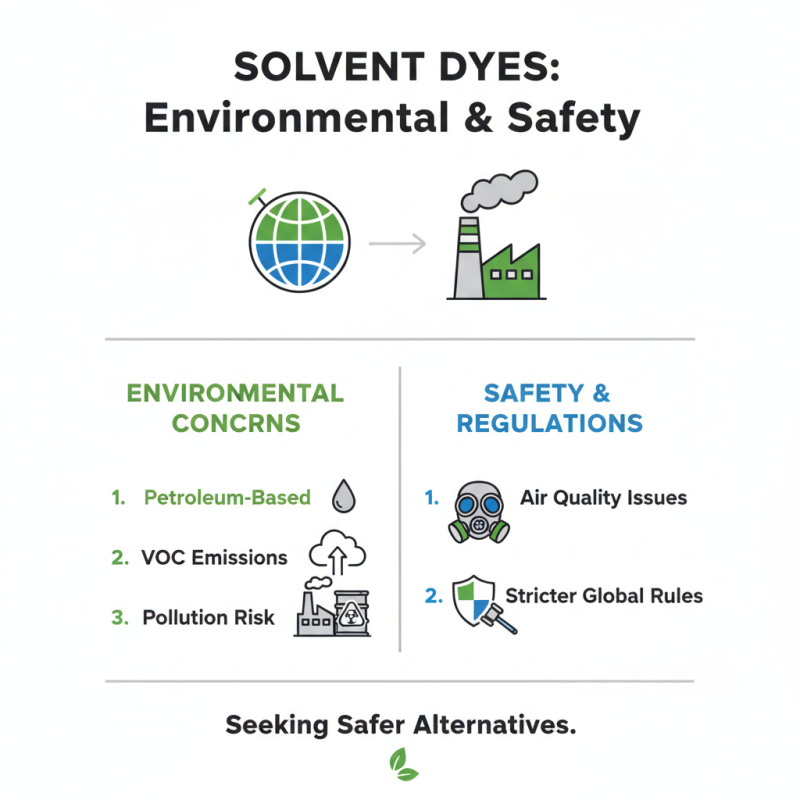
The use of solvent dye powder in various industries has grown significantly. However, it introduces environmental concerns. Solvent dyes are often petroleum-based, leading to pollution if not managed properly. They can emit volatile organic compounds (VOCs), which contribute to air quality issues. Regulations are tightening worldwide, pushing companies to seek safer alternatives.
Proper safety measures are essential when using these dyes. Personal protective equipment (PPE) like gloves and masks should always be worn. Proper ventilation in workspaces is crucial to minimize inhalation risks. Waste management practices need to be strict. Disposal of leftover dye must comply with environmental standards. Ignoring these practices can result in harmful consequences for workers and the environment.
Awareness of these issues is increasing. Industry stakeholders are encouraged to reflect on their practices. Adapting to eco-friendly solutions, such as water-based dyes, could reduce environmental impact. It’s vital for companies to balance productivity with responsibility. The dye industry must prioritize safety and sustainability in its operations.