Blog
How to Choose the Best Organic Dye for Your Products?
Choosing the best organic dye is not simply a matter of finding the brightest shade. The right choice depends on your product, fiber, production process, and customers’ expectations. A dye that performs well on cotton may behave differently on wool or linen. Even a small sample can reveal uneven color, weak wash fastness, or a shade that changes under sunlight. Test before committing.
Textile researcher Richard Blackburn’s work on sustainable coloration points to a practical lesson: evaluate the whole dyeing process, not just the color source. Ask where the dye comes from, how consistently it can be supplied, and what preparation and finishing it requires. Request technical data and test the dye on the exact material you plan to use. Check color strength, batch consistency, wash and light fastness, and any relevant safety documentation. “Small trials matter.”
There is no single organic dye that suits every product. Plant-based dyes can offer distinctive tones, but results may vary with crop, season, and processing. That variability is real. It can also be frustrating when a production run needs a precise match. Compare suppliers using clear criteria, and record results from repeat tests. Consider cost, water use, processing conditions, and the end product’s care instructions. A careful choice balances appearance with reliable performance. One honest limitation: natural origin alone does not guarantee consistent color or a lower-impact process. The details matter.
Understanding What Organic Dyes Are and How They Are Made
How to Choose the Best Organic Dye for Your Products?
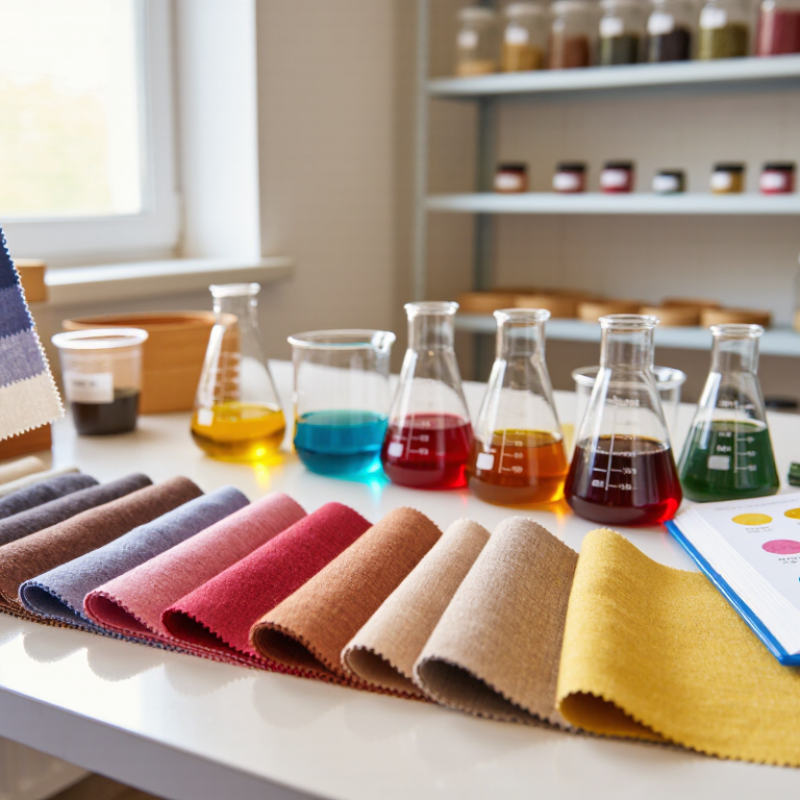
“Organic dye” can mean two different things. It may describe a carbon-based colorant or a dye made from renewable biological material. Neither phrase automatically proves low impact. Natural dyes commonly come from leaves, roots, bark, insects, or minerals. Producers clean, dry, grind, and extract these materials with water or controlled solvents. They then filter and concentrate the color before applying it to fabric. Some dyes need a mordant to improve color bonding. The mordant choice affects safety, wastewater, and fabric performance.
The Textile Exchange Organic Cotton Market Report 2023 recorded 342,265 metric tonnes of organic cotton fiber during 2021/22. That figure shows growing material demand, but it does not confirm responsible dye production. UNEP’s 2023 textile value-chain report estimates that textiles create 2–8% of global greenhouse-gas emissions. Dye selection therefore needs more than a natural-looking label. I would request ingredient disclosure, safety data, wastewater results, and batch records before approval. Test colorfastness against washing, rubbing, perspiration, and sunlight. Small swatches often reveal uneven absorption or dull edges. I once assumed a plant extract was automatically better, but the process used more water than expected. That mistake is worth remembering. A reliable supplier should explain extraction conditions, mordant chemistry, traceability, and repeatability without vague claims.
Identifying Your Product’s Materials and Dyeing Requirements
Choosing an organic dye starts with identifying the product’s material, not its preferred color. “Organic” may mean a natural dye, a certified input, or a safer chemical formulation. Define the term before testing.
Cotton, linen, wool, silk, and polyester absorb dyes differently. Cellulosic fibers often need controlled pH and heat. Wool and silk require gentler temperatures to protect their protein structure. Polyester usually needs specialized high-temperature systems. Check the fabric blend, yarn construction, finish, and recycled content. A 60% cotton and 40% polyester shirt may show uneven color after washing. That detail is easy to miss.
The Textile Exchange Materials Market Report 2024 estimates global fiber production reached 124 million tonnes in 2023. It may reach 160 million tonnes by 2030. This growth increases the need for material-specific dye decisions. Ask for test data on wash, rubbing, perspiration, and light fastness. Use recognized methods from ISO or AATCC laboratories. Also verify restricted-substance screening and wastewater controls. Laboratory results matter more than a supplier’s color card.
Start with a small fabric swatch. Test the deepest shade, not only the pastel version. Measure color change after repeated washing. Natural dyes can vary with harvest, water chemistry, and mordant selection. I have seen attractive samples fail after sunlight exposure. That failure is useful, but expensive when discovered late. A dye choice should satisfy the material, performance target, certification needs, and production equipment.
How to Choose the Best Organic Dye for Your Products? — Identifying Your Product’s Materials and Dyeing Requirements
| Product material | Fiber type | Suitable natural dye options | Dyeing requirements | Practical considerations |
|---|---|---|---|---|
| Cotton | Cellulose | Indigo, madder, weld, and tannin-rich plant dyes | Scour to remove oils and finishes. Cellulose fibers often benefit from a tannin treatment and, where appropriate, a compatible mordant. Follow the dye supplier’s temperature and pH guidance. | Untreated cotton usually absorbs dye better than coated or resin-finished fabric. Test the complete fabric, including any blends or finishes. |
| Linen | Cellulose | Indigo, madder, weld, and tannin-rich plant dyes | Scour thoroughly; use a cellulose-fiber preparation if required by the dyeing method. Avoid abrupt temperature changes that may cause uneven results. | Linen can produce a different shade from cotton even with the same dye bath. Make a swatch using the intended fabric weight and finish. |
| Wool | Protein | Madder, weld, cochineal, and indigo | Use a protein-fiber dyeing method and a compatible mordant when needed. Heat gently and avoid agitation or sudden temperature changes to reduce felting. | Wool is sensitive to heat, friction, and strongly alkaline conditions. Check colorfastness and handle care instructions before production. |
| Silk | Protein | Madder, weld, cochineal, and indigo | Use a gentle protein-fiber process. Keep handling, heat, and pH within the supplier’s recommendations; test mordants on a sample first. | Silk’s sheen and finish affect the perceived color. Some treatments can alter luster or hand feel, so test both shade and fabric quality. |
| Hemp | Cellulose | Indigo, madder, weld, and tannin-rich plant dyes | Scour well and use a preparation suitable for cellulose fibers. Optimize dye-bath circulation and pH through small-scale trials. | Fiber source, processing, and fabric construction can affect uptake and shade uniformity. Test the exact production material. |
| Leather | Animal hide; not a textile fiber | Selected plant-derived colorants, subject to leather type and finish | Use a method formulated for leather. Test compatibility with the tanning process, surface finish, and any protective coating; avoid assuming textile recipes will transfer. | Absorption and colorfastness vary widely by leather treatment. Confirm rub, water, and light performance on a finished sample. |
Note: “Natural” or plant-derived describes a dye’s source and does not by itself establish organic certification, safety, or performance. Verify the applicable standard, supplier documentation, restricted-substance requirements, and colorfastness for the finished product. Mordants and dye-bath conditions should be selected for the specific fiber and process.
Comparing Dye Sources, Colors, and Performance
Choosing an organic dye starts with its source and the color your product must hold. Plant-based dyes from roots, leaves, and bark can create earthy reds, yellows, and browns, while insect-derived dyes often produce stronger reds. Mineral pigments offer other shades, but “organic” does not automatically mean low-impact or suitable for every material. Check the supplier’s source, processing method, and safety documentation. Then test a physical sample. On cotton, a dye may look warm and even; on wool, the same recipe can shift noticeably.
Performance needs measurement, not guesswork. Ask for wash, light, and rubbing fastness results on the actual fiber and finish. Textile Exchange’s Materials Market Report 2024 estimates global fiber production reached 124 million tonnes in 2023. That scale makes dye selection relevant, but the report does not rank dye performance. Be careful with broad claims. Results depend on concentration, mordant, water quality, and process control; even natural batches can vary. A small pilot run can reveal fading or uneven patches before production. It may feel slow. It is still cheaper than discovering the problem after launch.
Checking Safety, Sustainability, and Certification Standards
How to Choose the Best Organic Dye for Your Products?
Safety should be checked before color performance. “Organic” does not automatically mean harmless. Natural dyes may still require mordants, preservatives, or heavy-metal pigments. Request a full Safety Data Sheet and laboratory test results. Check restricted substances against current RSL and MRSL requirements.
The Global Organic Textile Standard (GOTS) evaluates chemical inputs, wastewater, and processing conditions. However, certification is not a magic shield. Verify the certificate’s scope, expiration date, and covered facility.
Sustainability also needs measurable evidence. The European Environment Agency reported that EU textile consumption caused about 270 kilograms of carbon emissions per person in 2020. It also used roughly 9 cubic metres of water per person.
Dye selection can reduce part of this burden, especially when it needs lower temperatures, fewer rinses, and less salt. Ask suppliers for water, energy, and wastewater data.
The Textile Exchange Materials Market Report 2024 recorded global fiber production at 132 million tonnes in 2023. Small process improvements can matter at this scale.
Tips:
Test the dye on the real fiber, not only a laboratory swatch. Check shade consistency after washing, sunlight, and sweat exposure. Prefer verified input certification, independent testing, and traceable batch records.
Keep samples from every production lot. A dye can pass one test and still perform poorly in daily use. That uncomfortable gap deserves attention.
Don't accept vague claims such as “eco-friendly” without numbers, standards, or audit evidence.
Testing Dye Samples Before Choosing a Supplier
How to Choose the Best Organic Dye for Your Products?
Testing Dye Samples Before Choosing a Supplier
A color card is only a starting point. Request small dye samples and test them on the exact fiber used in production. Cotton, linen, wool, and cellulose blends can produce different shades. Record the dye weight, water volume, temperature, pH, and processing time. Small changes can alter the final color.
Use identical fabric swatches for every supplier. Prepare at least three samples at different dye concentrations. Check shade consistency under daylight and indoor lighting. Then test washing, rubbing, perspiration, and light exposure. A sample may look beautiful when wet but fade after one wash. That happened in one of our early trials.
The first result can be misleading.
Review the supplier’s technical documents carefully. Ask for ingredient information, batch traceability, recommended application conditions, and relevant safety data. If the dye is described as organic, confirm what that claim means. It may refer to natural origin, certified processing, or a marketing description. Reliable suppliers should answer clearly and provide consistent documentation.
Keep one untreated fabric swatch for comparison. Photograph each test beside a neutral gray card. Store the dyed samples in labeled envelopes. Repeat the test with a second batch when results matter. One successful trial is not enough evidence. I once rejected a promising dye because the first formula was poorly controlled. Later testing showed the dye itself was usable, but the process needed better measurement. Supplier selection should depend on repeatability, not a single attractive sample.
Related Posts
-
How to Find Reliable Organic Dye Suppliers
-

Top 10 Specialty Chemicals Suppliers Worldwide?
-
2026 Top Types of Colour Pigment Powder for Global Buyers?
-
What is Metal Dye and How is it Used in Various Industries?
-

Who Are the Top Bulk Chemicals Suppliers in China?
-
The Best 10 Solvent Soluble Dyes for Your Projects?