Blog
How to Choose Reliable Chemical Plants in 2026?
Choosing reliable chemical plants in 2026 means looking beyond price, production capacity, and polished sales presentations. Buyers need evidence that equipment is maintained, process controls are documented, and safety procedures work on the factory floor. A clean control room is encouraging. It is not proof.
The International Energy Agency’s 2018 report, The Future of Petrochemicals, identified chemicals as the world’s largest industrial energy-consuming sector, accounting for about 10% of global final energy use and 7% of greenhouse-gas emissions. These figures make energy performance and emissions management useful indicators when assessing a plant’s long-term resilience. IEA Executive Director Fatih Birol has stated, “Energy efficiency is the first fuel.” For buyers, that idea translates into practical questions: Are energy records independently verified? Can the supplier explain equipment downtime? Are corrective actions tracked to completion? Ask to see maintenance logs, certification records, and recent quality data—not just a brochure.
Reliability also depends on people and process. Walk the production area, observe how workers handle routine checks, and compare actual procedures with written ones. Listen for specifics. Vague assurances should prompt follow-up, not instant rejection. A site visit may reveal small warning signs, such as handwritten inspection notes or unexplained gaps in test records. Those details matter, though they do not tell the whole story. No single certificate guarantees dependable supply. A careful assessment combines documented performance, transparent communication, and a realistic review of risks before selecting chemical plants for a long-term partnership.
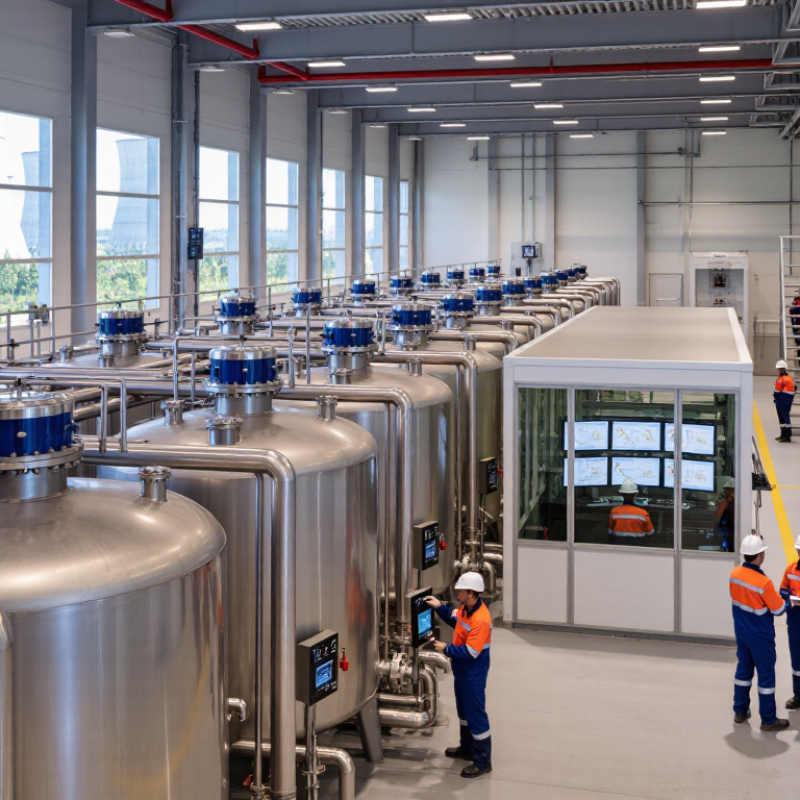
Define the Reliability Standards for Chemical Plants in 2026
How to Choose Reliable Chemical Plants in 2026?
A reliable chemical plant in 2026 must prove more than production capacity. It should show stable operations, controlled risks, and transparent performance data. Define reliability through measurable standards, not attractive promises. Review equipment uptime, unplanned shutdowns, maintenance response time, and batch consistency. Ask for three years of verified records, including incident trends and corrective actions. Safety systems should include pressure monitoring, automatic shutdowns, leak detection, and tested emergency procedures. Cybersecurity also matters, because connected control systems can affect physical plant safety.
Tips: Request audit reports, maintenance logs, training records, and emergency drill results. Visit the site during normal operations. Watch how operators handle alarms. Check whether spare parts are available locally. A clean control room helps, but it proves little alone.
Environmental reliability needs equal attention. Examine waste handling, emissions monitoring, water use, and documented compliance with applicable regulations. Qualified staff should receive regular process safety training, not only annual paperwork. Independent inspections can reveal weaknesses that internal teams overlook. No audit is perfect. Some plants may present excellent documents while neglecting small leaks, aging valves, or poor shift communication. Reliability standards should therefore include worker interviews and physical inspections. Choose facilities that report problems early, explain their causes clearly, and track improvements with dated evidence.
Evaluate Safety Systems, Regulatory Compliance, and Risk Controls
Choosing reliable chemical plants in 2026 starts with visible safety discipline, not polished brochures. During site evaluations, inspect alarm panels, emergency showers, containment walls, and evacuation routes. Ask how often operators test them. A quiet control room proves little. Request incident logs, near-miss records, and corrective-action evidence from the last three years. Strong plants explain failures without hiding uncomfortable details. That honesty matters.
Regulatory compliance should be verified at the facility, not accepted as a PDF attachment. Check current operating permits, inspection findings, training records, and waste-handling procedures. Confirm whether independent inspectors review pressure vessels, electrical systems, and fire protection equipment. Requirements vary by location, process, and material. A plant may meet local rules yet lack a mature management system. That gap deserves scrutiny. Ask who owns each compliance task and what happens after a missed deadline.
Risk controls should work under stress. Review layers of protection, automatic shutdowns, backup power, gas detection, and maintenance intervals. Watch a drill if possible. Do workers reach muster points quickly, or do they improvise? Review contractor controls, change-management records, and supply-chain emergency plans. I would also test one uncomfortable assumption: can production stop safely during a sensor failure? Sometimes the answer is unclear. That is not an automatic rejection, but it requires a documented fix, a responsible owner, and a realistic completion date. Reliable partners welcome questions, though no plant is flawless.
Assess Production Capacity, Technology, and Quality Management
Choosing a reliable chemical plant in 2026 requires more than a polished website. Assess real production capacity, not only annual claims. Ask for monthly output, reactor sizes, shift patterns, and maintenance downtime. A plant producing 500 tons yearly may lack flexibility for urgent batches. Request recent capacity records when commercial confidentiality allows. Numbers need context.
Technology should match the process, material, and required consistency. Examine reactor controls, temperature monitoring, automation, filtration, and waste-handling systems. Digital systems can improve traceability, but they cannot replace trained operators. During a site visit, check calibration labels and maintenance records. Look for clean transfer lines, clear storage zones, and controlled sampling areas. Small physical details often reveal operational discipline.
Quality management deserves equal attention. Review batch records, deviation reports, corrective actions, and change-control procedures. Ask how the plant investigates out-of-specification results. Reliable facilities can explain failures without hiding them. Independent laboratory testing may confirm identity, purity, and stability. Confirm that records remain traceable from incoming materials to final shipment. I would not treat a clean audit as complete proof; routine performance matters more. Some assessments remain imperfect. That is normal. Recheck critical evidence, especially when capacity expands or equipment changes. A dependable plant welcomes specific questions and provides clear, consistent answers.
Verify Environmental Practices, Supply Stability, and Financial Health
How to Choose Reliable Chemical Plants in 2026?
Environmental evidence should come before sales promises. The IEA identifies chemicals as the largest industrial energy consumer. Request plant-level energy use, emissions, water withdrawal, waste records, and recent inspection results. Compare trends across three years. A single green certificate proves little. Ask for evidence.
Supply stability needs testing, not optimism. UNCTAD’s Review of Maritime Transport 2024 documented continued disruption risks, route changes, and freight volatility. Check whether the plant depends on one port, one utility, or one raw-material source. Review inventory days, backup suppliers, outage history, and recovery tests. Visit the site if possible. Look at storage tanks, maintenance logs, and loading schedules. They reveal more than polished presentations.
Financial health protects your contract during weak markets. The OECD Economic Outlook 2024 highlighted uneven growth and persistent uncertainty across economies. Request audited statements for three years, cash-flow data, debt maturities, insurance coverage, and payment history. Watch for rising receivables, shrinking operating cash, or heavy short-term debt. Numbers matter. Still, financial ratios can mislead when commodity prices change quickly. Recheck them before signing. A reliable plant should explain its weaknesses clearly, not hide them behind perfect forecasts.
Compare Suppliers Through Audits, Certifications, and Performance Records
How to Choose Reliable Chemical Plants in 2026?
A certificate is a starting point, not proof of reliable production. The 2023 ISO Survey recorded more than 1.2 million ISO 9001 certificates worldwide. That scale shows broad adoption, but it does not confirm process discipline at every site. Ask for the certificate scope, issuing body, expiration date, and recent audit findings. Check whether the certificate covers the actual production plant, not only a headquarters office. Review corrective-action records, batch traceability, calibration logs, and change-control procedures. Small details matter.
An effective audit should include a plant walk-through. Inspect labeled storage areas, emergency equipment, sample retention rooms, and maintenance records. Speak with operators from different shifts. A clean daytime inspection can hide weak night-shift practice.
The International Labour Organization reports 2.78 million work-related deaths annually, including occupational diseases. Safety performance deserves the same scrutiny as product quality.
Request three years of incident rates, rejected batches, delivery accuracy, customer complaints, and corrective-action closure times. Independent laboratory results can verify key specifications. Supplier references help, but they may be selective. Treat them carefully.
Performance records should be comparable across similar products and production volumes. One excellent quarter proves little. Look for stable results over 12 to 24 months. Also test the supplier’s response to an uncomfortable question: what failed recently, and what changed afterward? Honest answers may reveal more than polished presentations. Reliability is documented, observed, and repeatedly tested.
Related Posts
-
2026 How to Choose the Right Dyes and Pigments for Your Projects?
-

How to Track Chemical Industry Trends for Global Buyers?
-

Top Chemical Industry Trends Every Global Buyer Must Know?
-

Top 10 Pigment Color Trends You Should Know About?
-

Top Tips for Choosing the Right Solvent Colour for Your Needs?
-

How to Optimize Chemical Manufacturing for Global Buyers?